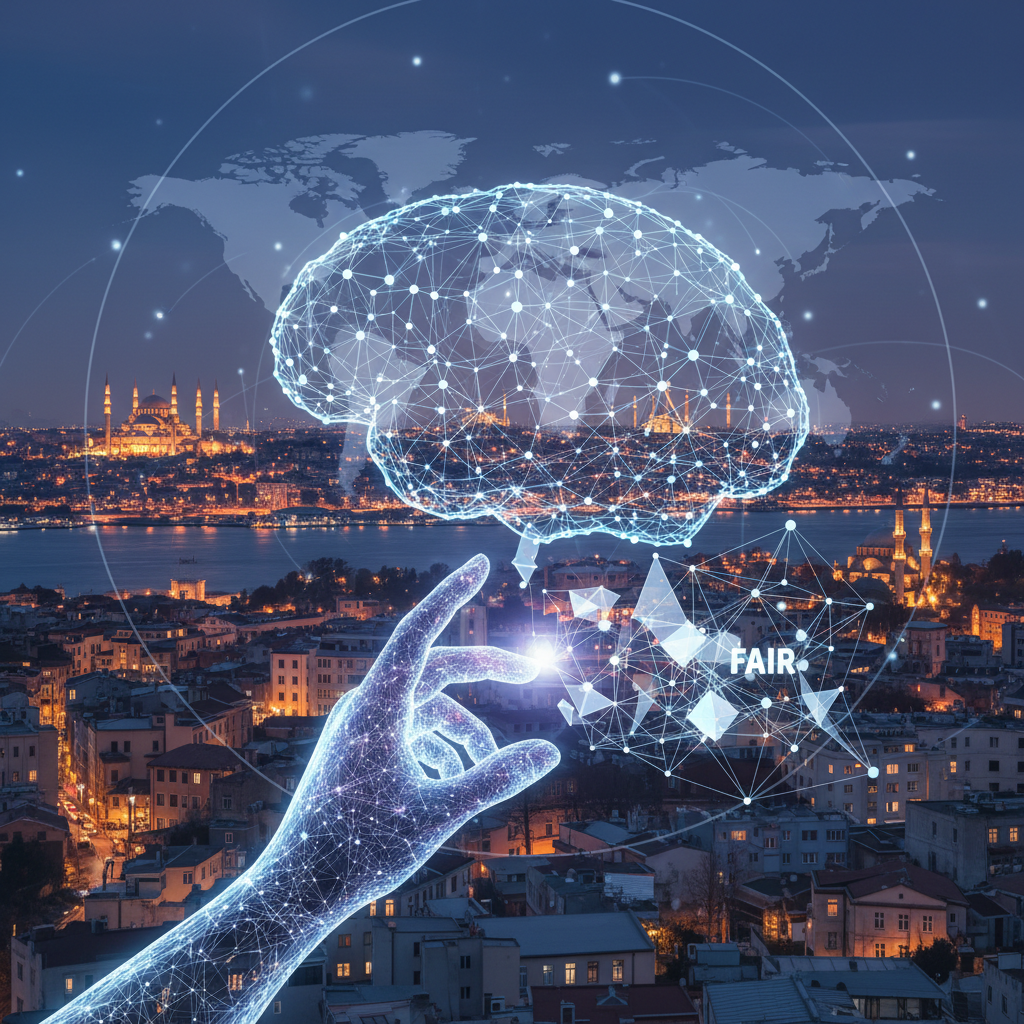
Imagine Maria, a software engineer with a dazzling CV, fluent in four languages, and a passion for sustainable tech. She lives in Lisbon, a city whose tech scene is like a good port wine, complex and improving with age. Maria applies for a senior role at a multinational, a company that proudly touts its AI-driven recruitment platform. She ticks all the boxes, or so she thinks. Her experience is stellar, her skills are precisely what they asked for, and her references sing her praises. Yet, after submitting her application, she hears nothing. Not even a polite rejection. It's as if her digital persona simply ceased to exist the moment it touched the company's automated gatekeeper.
Now, multiply Maria's experience by thousands, perhaps millions, across Europe. This isn't a hypothetical exercise, it's the quiet, insidious reality of algorithmic bias in hiring. Companies, eager to streamline their processes and cut costs, have embraced artificial intelligence to sift through mountains of applications. The promise is efficiency, objectivity, and finding the 'best fit' without human prejudice. The reality, however, often falls short, sometimes spectacularly so. These systems, trained on historical data, inadvertently learn and perpetuate existing human biases, discriminating against certain demographics, genders, or even names, without a shred of malice, just cold, hard, statistical correlation.
In Portugal, a country that punches above its weight in tech innovation and digital nomad appeal, this issue is becoming increasingly salient. We're not just talking about the obvious biases, like an AI system favoring male candidates for engineering roles because historical data showed more men in those positions. We're seeing more subtle, yet equally damaging, forms of discrimination. For instance, an AI might penalize candidates who took a career break for family reasons, or those whose educational background doesn't conform to a very specific, often Western-centric, university list. It's a digital gatekeeper that doesn't understand the nuances of a diverse workforce or the value of non-traditional career paths. The sardine can of European tech is actually a treasure chest, but if the AI keeps throwing out the best catches, we have a problem.
Research findings are piling up, painting a concerning picture. A study published in MIT Technology Review highlighted how AI recruitment tools often exhibit biases based on gender and ethnicity, even when explicit demographic data is removed. The systems find proxies, subtle patterns in language, hobbies, or even postal codes, to infer protected characteristics and then discriminate. For example, an AI might learn to associate certain vocabulary or interests with specific genders, then filter out candidates based on those learned associations. This isn't just about fairness, it's about economic opportunity and social mobility.
From a psychological perspective, the impact on individuals like Maria is profound. Imagine the cognitive dissonance, the self-doubt. You know you're qualified, but the system, an opaque black box, tells you otherwise. This can lead to decreased self-efficacy, increased anxiety, and even a sense of learned helplessness. Dr. Ana Silva, a prominent organizational psychologist at the University of Porto, explains, "When a human recruiter rejects you, there's often a chance for feedback, for understanding. With an AI, it's a silent, absolute judgment. This lack of transparency can be incredibly damaging to an individual's self-esteem and their perception of their own worth in the job market." She added, "It creates a psychological barrier, making people question their own abilities rather than the flawed system itself."
Broader societal implications are equally troubling. If AI-driven hiring becomes the norm without stringent oversight, we risk solidifying existing inequalities and creating new ones. We could inadvertently construct a job market where certain groups are systematically excluded, not by conscious human prejudice, but by algorithmic indifference. This isn't just a Portuguese problem, it's a European one. The European Union, with its strong emphasis on human rights and data protection, is acutely aware of these risks. The proposed AI Act, currently making its way through the legislative process, categorizes AI systems used in employment as 'high-risk,' demanding rigorous conformity assessments, human oversight, and robust data governance. This means companies using such systems will face significant legal obligations to ensure fairness and prevent discrimination.
Indeed, lawsuits are already emerging. In the US, companies like Amazon famously scrapped an AI recruiting tool after it was found to discriminate against women. While specific high-profile lawsuits in Portugal are yet to dominate headlines, the legal framework is tightening. The General Data Protection Regulation, GDPR, already provides avenues for individuals to challenge automated decision-making. As the EU AI Act comes into full force, we can expect a surge in legal challenges against biased algorithms. Regulators are not just twiddling their thumbs in Brussels; they are actively working to create a framework that protects citizens from the unintended consequences of technological advancement. "The goal is not to stifle innovation, but to ensure it serves humanity ethically," stated Margrethe Vestager, the EU's Executive Vice President for a Europe Fit for the Digital Age, in a recent address on AI governance. "We must build trust in AI, and that means holding it accountable."
So, what's a job seeker like Maria, or a company looking to hire, to do? Practical advice for job seekers includes diversifying application strategies, networking, and not solely relying on online portals. For companies, the message is clear: transparency and auditing are paramount. Don't treat your AI recruitment tool as a magic black box. Understand its training data, regularly audit its outcomes for bias, and ensure human oversight remains a critical component of the hiring process. Consider using explainable AI, or XAI, to understand why an algorithm made a particular decision. This isn't just about compliance, it's about building a diverse, innovative, and resilient workforce. After all, the best talent, like the best bacalhau, comes in many forms, and a truly smart system should be able to recognize it, no matter its digital wrapper. We must ensure that the digital future we are building is one that opens doors, rather than slamming them shut, for everyone. This is not just good ethics, it's good business, and frankly, it's just common sense, something we Portuguese have in abundance.