
AI in Sahel: Burkina Faso Navigates Digital Future with Traditional Wisdom
Burkina Faso is exploring AI's potential to boost its economy, from agriculture to public services. This initiative, rooted in local context, aims to blend technological advancement with the nation's rich cultural heritage.
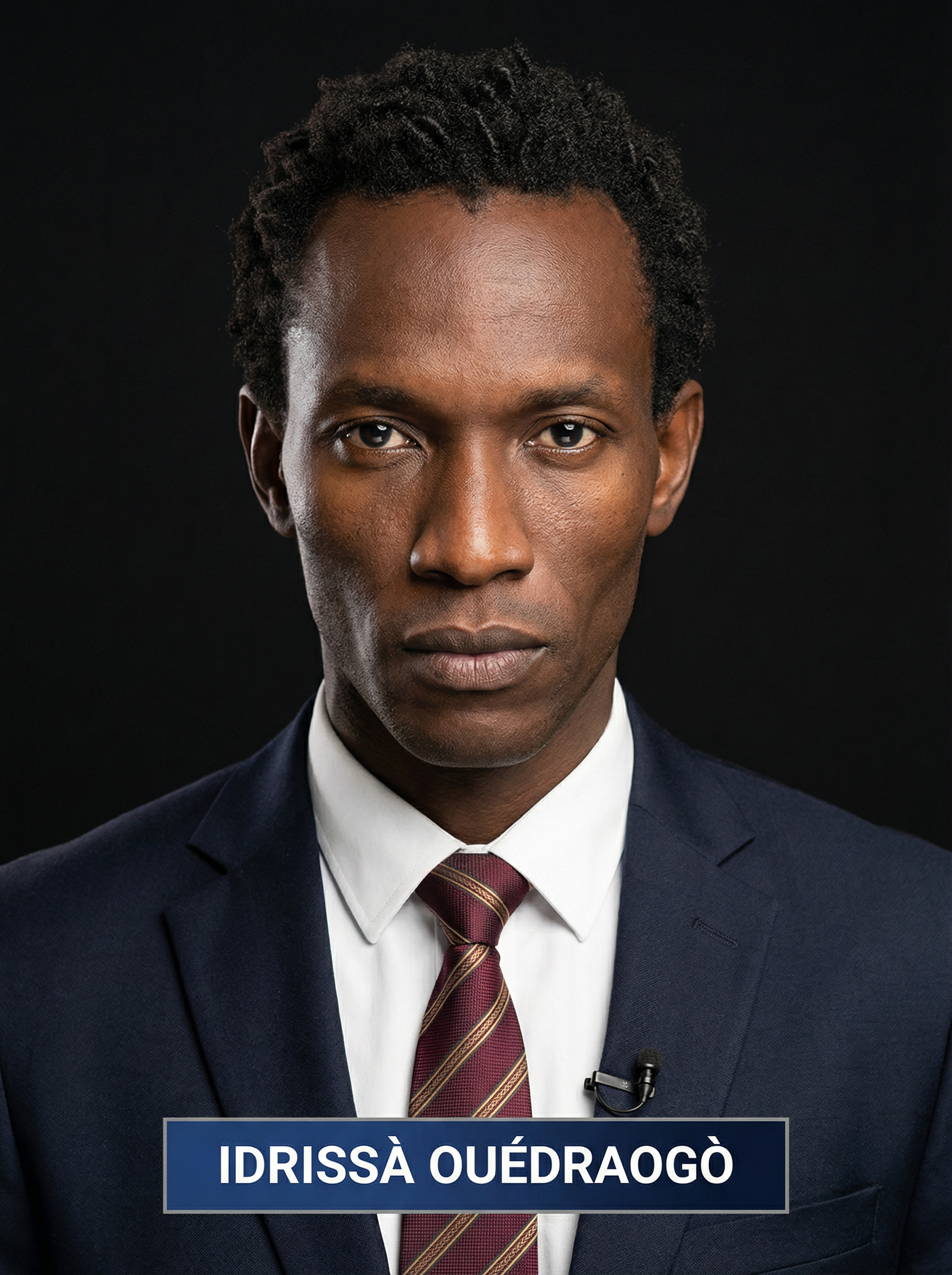
Ouagadougou, Burkina Faso – As the digital tide sweeps across the continent, Burkina Faso stands at a critical juncture, seeking to harness Artificial Intelligence (AI) not just as a tool for modernization, but as a catalyst for economic growth deeply integrated with its unique cultural fabric. The discussions, often held in the Naaba's court (metaphorically, in policy circles), reflect a nuanced approach to technological adoption.
Recent pronouncements from the Ministry of Digital Economy, Posts and Digital Transformation highlight a strategic push towards AI integration in key sectors. "We are not merely importing technology; we are adapting it to our realities, to serve our Mane (people) and strengthen our economy," stated Dr. Alassane Compaoré, Director of Digital Innovation at the Ministry, during a recent forum at the Joseph Ki-Zerbo University. "Imagine AI predicting crop yields for our lallé (fields) based on historical data and climate patterns, or optimizing logistics for our shea butter cooperatives. This is the future we are building."
This vision resonates deeply with the spirit of self-reliance and community-focused development often championed by Mossi elders. The concept of Tenga (land) and its sustainable use, for instance, could be significantly enhanced by AI-driven agricultural analytics, helping farmers in regions like Ganzourgou or Kouritenga make informed decisions, thus improving food security and market access for their produce.
However, the path is not without its challenges. Infrastructure, particularly reliable internet access beyond urban centers, remains a significant hurdle. "The digital divide is a real concern," noted Madame Fatoumata Diallo, a tech entrepreneur and founder of 'Sahel AI Solutions'. "For AI to truly benefit the Mane, we need robust connectivity even in the most remote villages. Without it, the promise of AI remains an urban luxury, not a national transformation."
Experts also emphasize the need for local capacity building. The creation of AI algorithms that understand local languages, cultural nuances, and specific economic models is paramount. Dr. Oumar Zongo, a Burkinabè AI researcher currently advising the government, highlighted this: "We need our own Wubri (knowledge) in AI. Training our youth, investing in local data scientists, and ensuring that the data used reflects our diverse populations – these are non-negotiable. An AI solution trained on foreign datasets might not understand the intricacies of our local markets or the socio-cultural dynamics of our communities."
The government, in collaboration with regional bodies like ECOWAS, is exploring partnerships with international organizations to establish AI research centers and digital literacy programs. The aim is to create a generation of Mane who are not just consumers of technology, but creators and innovators. As Burkina Faso looks ahead, the integration of AI is seen as a crucial step towards economic diversification and resilience, ensuring that the nation's digital future is firmly rooted in its rich heritage and guided by its own people.
Related Articles

AI's Economic Dawn: Malaysian Women Entrepreneurs Embrace Digital Transformation
 Siti Nurhalizah Rahimàn
Zambia's AI Strategy: Bridging the Digital Gender Divide for Inclusive Growth
 Lindiwe Sibandà
Burkina Faso Embraces AI for Education: A New Dawn for 'Bõnga' Learning
Idrissà Ouédraogò
AI in Malian Healthcare: A Double-Edged Sword for Our Communities
 Mouhamadouù Bâ