
The wind howls outside my window, a familiar song against the basalt cliffs of Seltjarnarnes. It is April, and the days are stretching, hinting at the endless light of summer. Here, in the land of fire and ice, AI takes a different form. We see it in our geothermal data centers, humming quietly, powered by the earth itself. We see it in our efforts to preserve our ancient language. But lately, my thoughts have turned to a different kind of AI, one that touches the very heart of human expression: generative AI, particularly tools like Adobe Firefly.
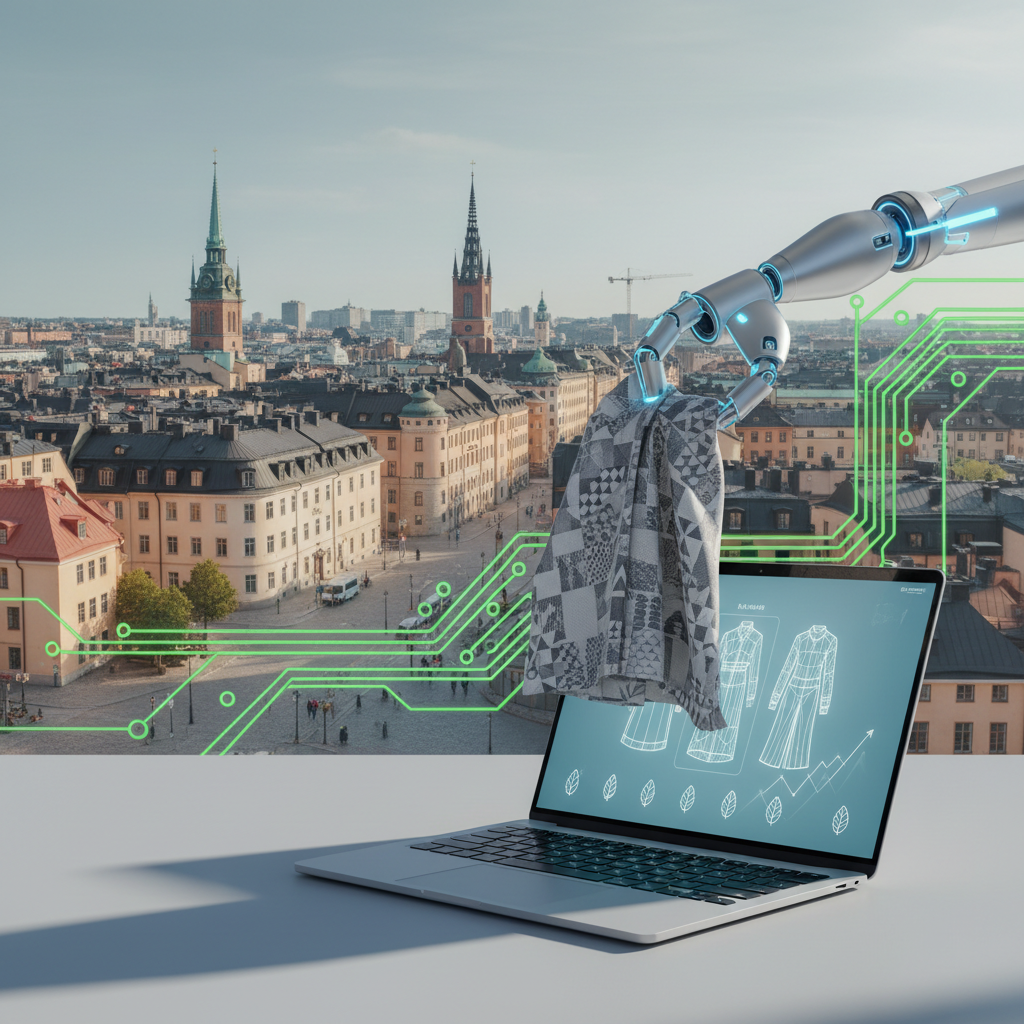
Adobe, a company whose software has been the bedrock of creative professionals for decades, has thrown its considerable weight behind generative AI. Firefly, their suite of creative models, promises to transform how designers, photographers, and artists work. It can conjure images from text, extend backgrounds, and even generate entirely new textures. On the surface, it sounds like magic, a powerful new brush in the artist's toolkit. But as I speak with artists and designers across our small island, a disquieting question keeps surfacing: Is this embrace of generative AI a true evolution, or a Faustian bargain where we trade the soul of our craft for mere efficiency?
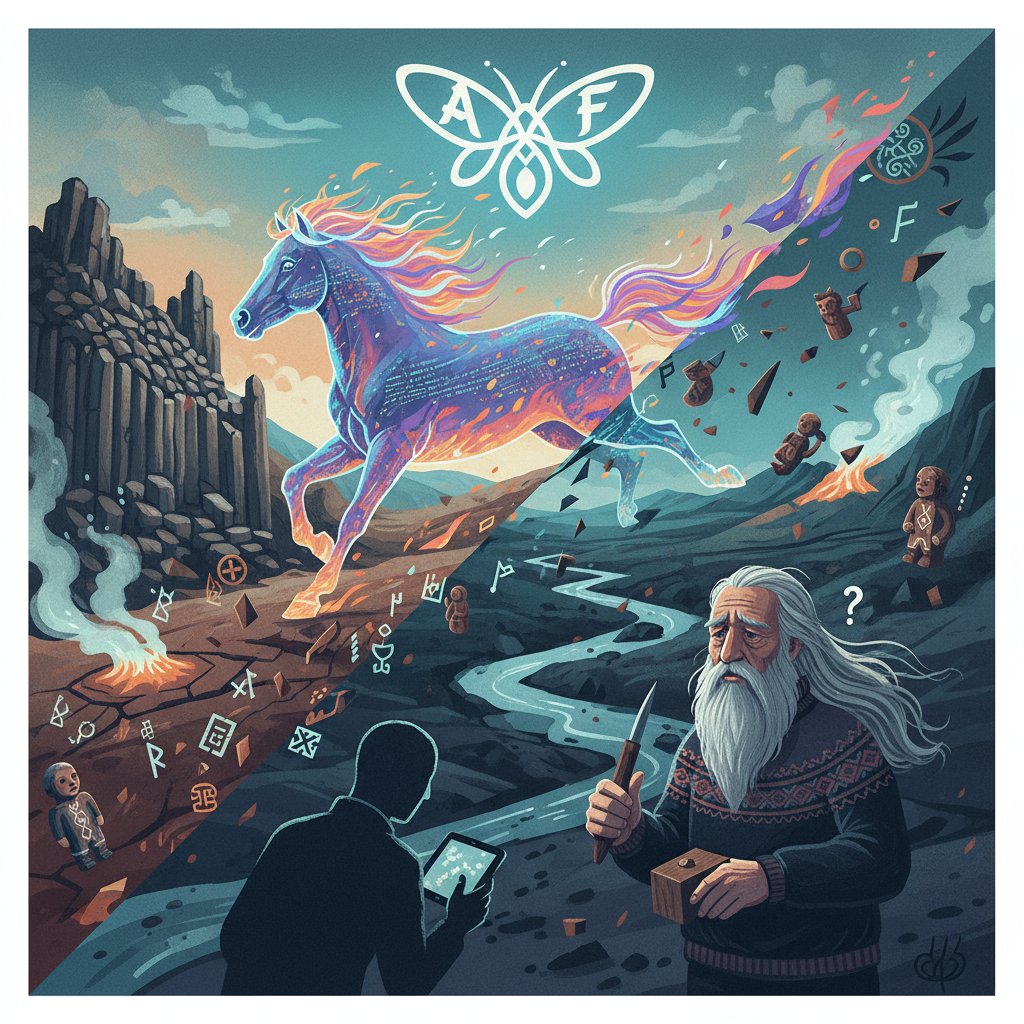
My argument is this: while tools like Adobe Firefly offer undeniable utility and speed, their widespread adoption risks homogenizing creativity, devaluing human skill, and fundamentally altering the relationship between the artist and their work. The creative industry, seduced by the promise of instant gratification and endless iteration, is rushing headlong into a future where the 'artist' might become little more than a sophisticated prompt engineer. This isn't just about making things faster, it is about making things less human.
I remember speaking with Elín Jónsdóttir, a textile artist I met in Akureyri last winter. She showed me her research in a lab overlooking a glacier, her hands calloused from years of working with wool and natural dyes. She told me, “Sigríður, the beauty is in the process, the mistakes, the unexpected turns. A machine can make a perfect pattern, yes, but can it tell the story of the sheep, the mountain, the long winter nights spent weaving? That is what makes my art Icelandic, what makes it mine.” Her words resonate deeply. Our art, our stories, are woven into the fabric of our lives here. They are not just outputs, they are reflections of our journey.
Adobe, of course, argues that Firefly is a tool for augmentation, not replacement. Scott Belsky, Adobe's Chief Product Officer and Executive Vice President of Creative Cloud, has often articulated this vision, stating that generative AI will