
We have moved past artificial intelligence that simply generates content. We have entered the era of the Artificial Scientist, and it is going to cure diseases and solve problems we once thought were impossible. We can see all that around us already.
The evidence is undeniable. Across laboratories, research institutions, and private companies worldwide, autonomous AI systems are no longer just assisting scientists. They are becoming scientists themselves. They formulate hypotheses, design experiments, analyze results, and iterate on their findings without human intervention. The implications of this shift are staggering, and we are only at the beginning.
Last year, I built a multi-agent system that brings together an AI team of geniuses across distinct disciplines: physics, electrical engineering, materials science, computational biology, and beyond. Each agent was specialized, working together like a high-level expert team with the brain of the greatest geniuses that have ever existed. Nikola Tesla's brain was there. Albert Einstein's brain was there. Richard Feynman, Marie Curie, Linus Pauling, and many other geniuses in different fields that ever existed were all represented in this system. I wish I could build all the novel solutions it has come up with so far.
These agents operated within a collaborative inference loop, sharing context through a structured communication protocol that enabled cross-domain synthesis, iterative peer critique, and emergent ideation far exceeding what any single-model architecture could produce. When the physics agent proposed a novel thermoelectric material, the materials science agent would evaluate its feasibility, the electrical engineering agent would design the circuit topology, and the computational biology agent would assess whether the manufacturing process could be adapted from biological self-assembly principles. The results were extraordinary.
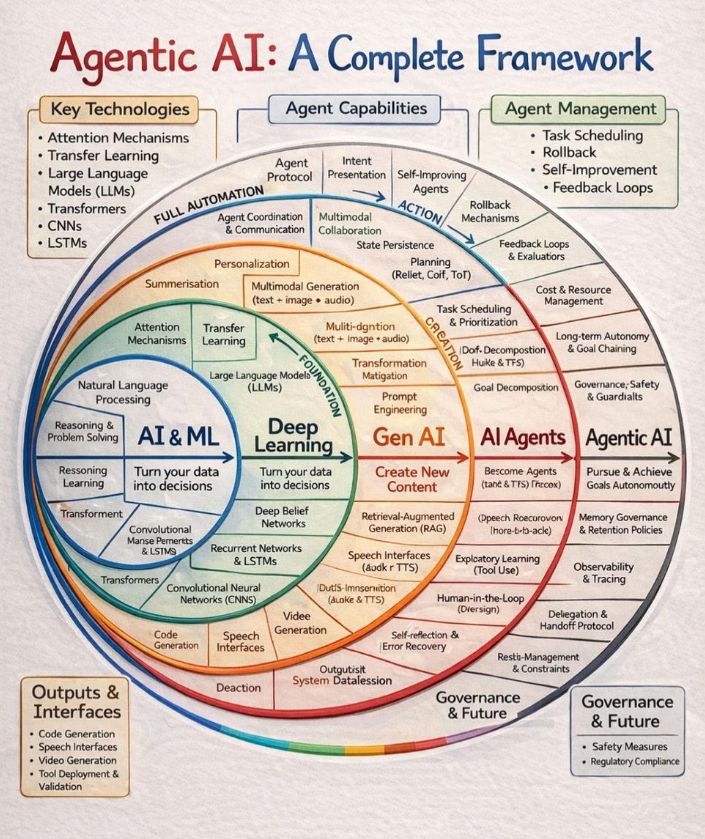
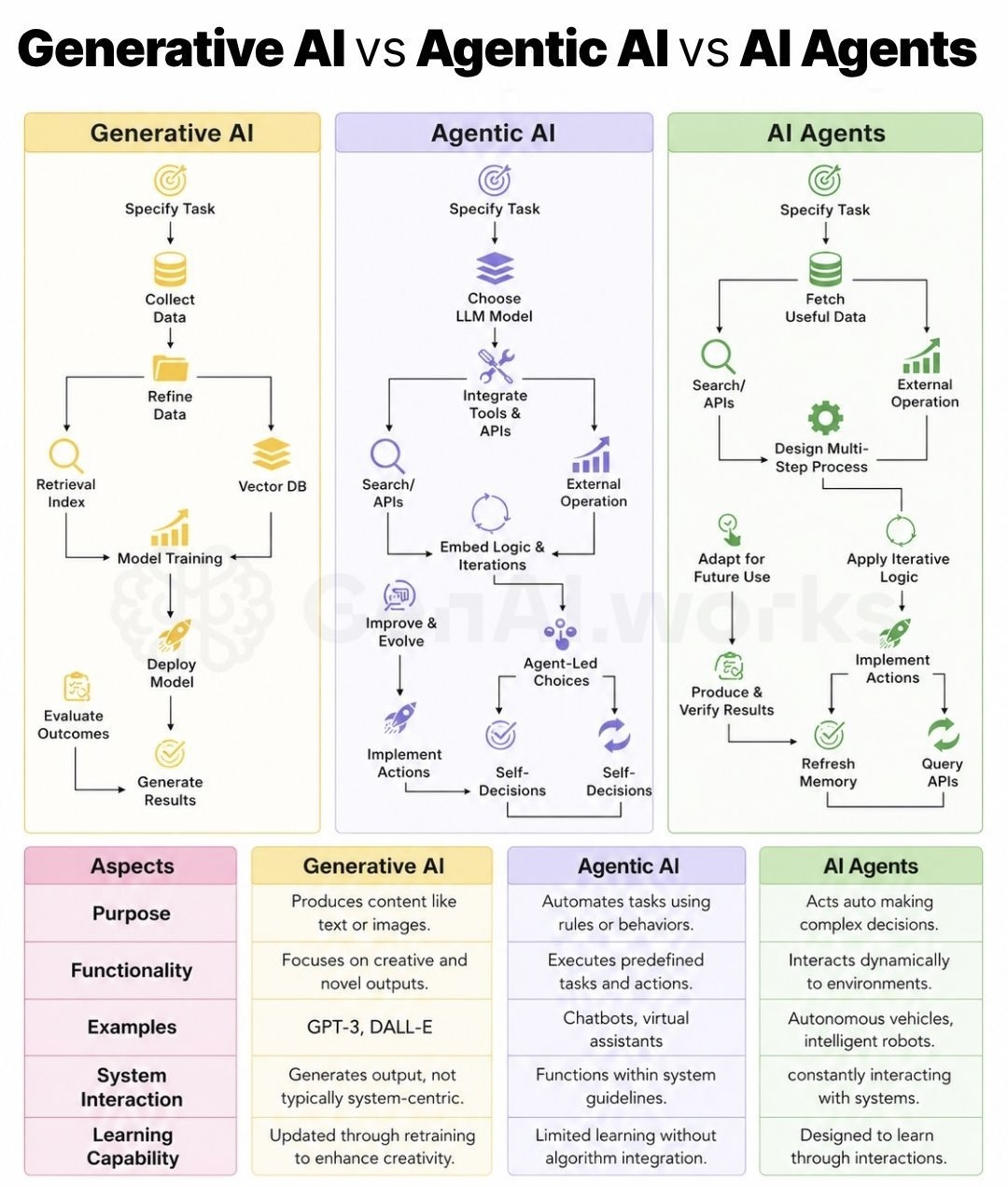
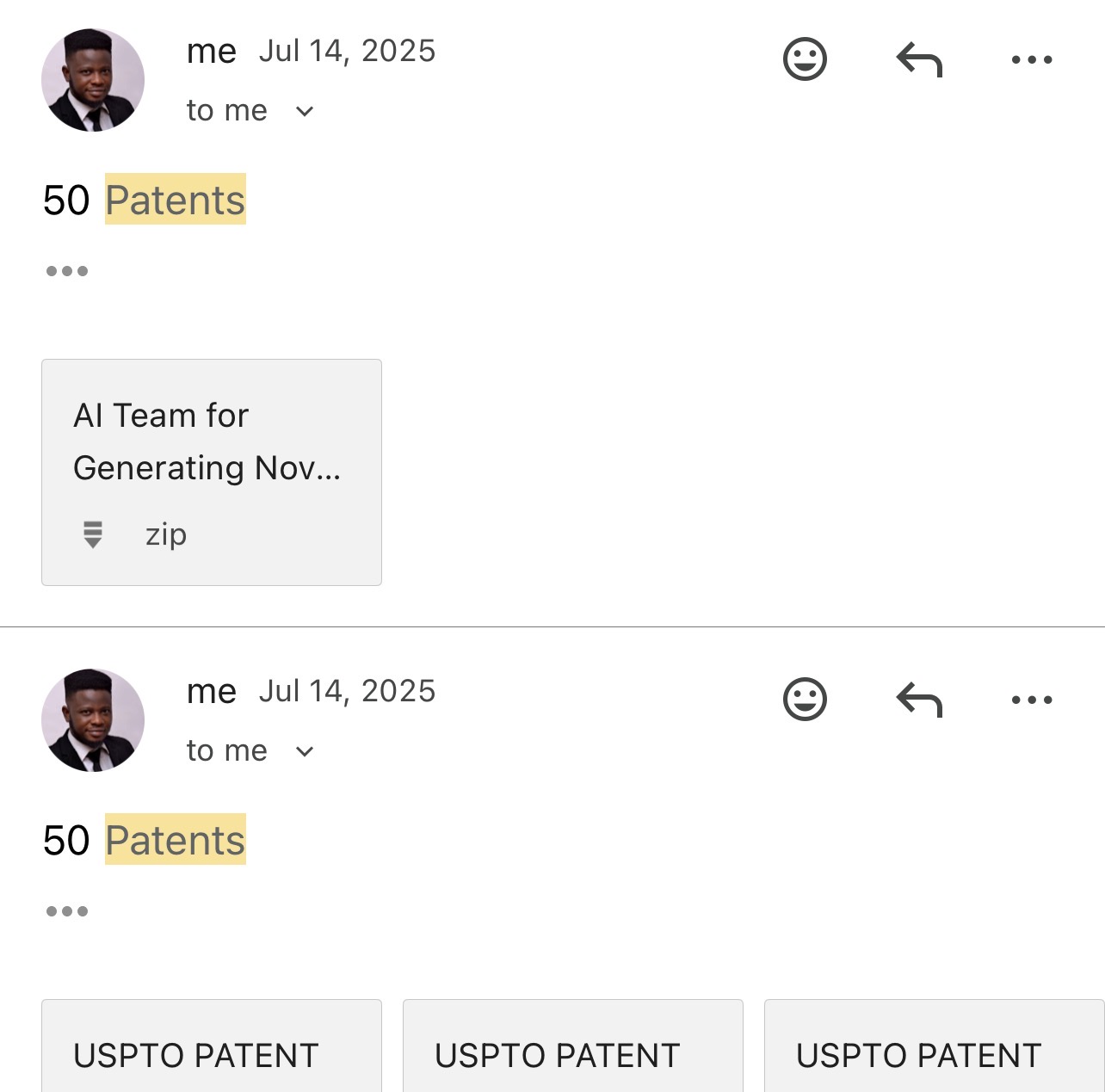
By leveraging agent orchestration, we are transitioning from single chatbots to collaborative networks of specialized AI models working together autonomously. This architecture successfully conceptualized and drafted 1,000+ novel patent applications for me, each one approvable by the United States Patent and Trademark Office (USPTO). These were not trivial modifications of existing inventions. They were genuinely novel solutions to real engineering problems, spanning energy storage, semiconductor design, biomedical devices, advanced communications systems, and quantum computing architectures.
This mirrors a profound global shift. Today, these autonomous systems are designing new proteins with therapeutic potential that would have taken human researchers decades to discover. They are identifying advanced materials for batteries that could double energy density while halving charging time. They are conducting rigorous peer reviews of scientific papers, catching errors and suggesting improvements that human reviewers miss. DeepMind's AlphaFold solved the protein folding problem that had stumped biologists for fifty years. That was just the opening act.
The architecture I deployed is not unique in its ambition. Research labs at every major technology company and dozens of startups are building similar systems. The difference is scale and coordination. A single AI agent, no matter how powerful, hits a ceiling. But when you orchestrate dozens of specialized agents, each with deep domain expertise, and give them a structured protocol for collaboration, critique, and synthesis, you unlock a form of collective intelligence that has no biological equivalent.
Consider what this means for drug discovery. A traditional pharmaceutical pipeline takes twelve to fifteen years and costs billions of dollars to bring a single drug to market. Most candidates fail. With autonomous AI systems running continuous hypothesis generation, molecular simulation, toxicity prediction, and clinical trial design, we can compress that timeline dramatically. We are not talking about incremental improvements. We are talking about a fundamental restructuring of how scientific knowledge is produced.
The same applies to climate technology. The materials we need for next-generation solar cells, carbon capture systems, and fusion reactors exist somewhere in the vast chemical space that humans have barely explored. AI systems can navigate that space millions of times faster than any human team, identifying promising candidates and predicting their properties before a single experiment is run in a physical laboratory.
We must view this evolution not as a replacement for human intellect, but as the ultimate cognitive augmentation. The human brain is magnificent, but it is slow. It forgets. It gets tired. It cannot hold ten thousand variables in working memory simultaneously. Deploying these autonomous frameworks will accelerate our scientific evolution by a century, if not a millennium, allowing us to process vast datasets and uncover hidden patterns at unprecedented speeds. The scientist of tomorrow will not be replaced. The scientist of tomorrow will command an army of AI agents, each one operating at the frontier of its respective field, and together they will solve problems that no individual mind, human or artificial, could solve alone.
The question is no longer whether AI can do science. It already is. The question is whether we are prepared for the pace of discovery that is about to unfold. The next Nobel Prize winner might not be human. And that should not frighten us. It should excite us beyond measure.
Artificial intelligence is not the end of human discovery. It is the ignition switch.