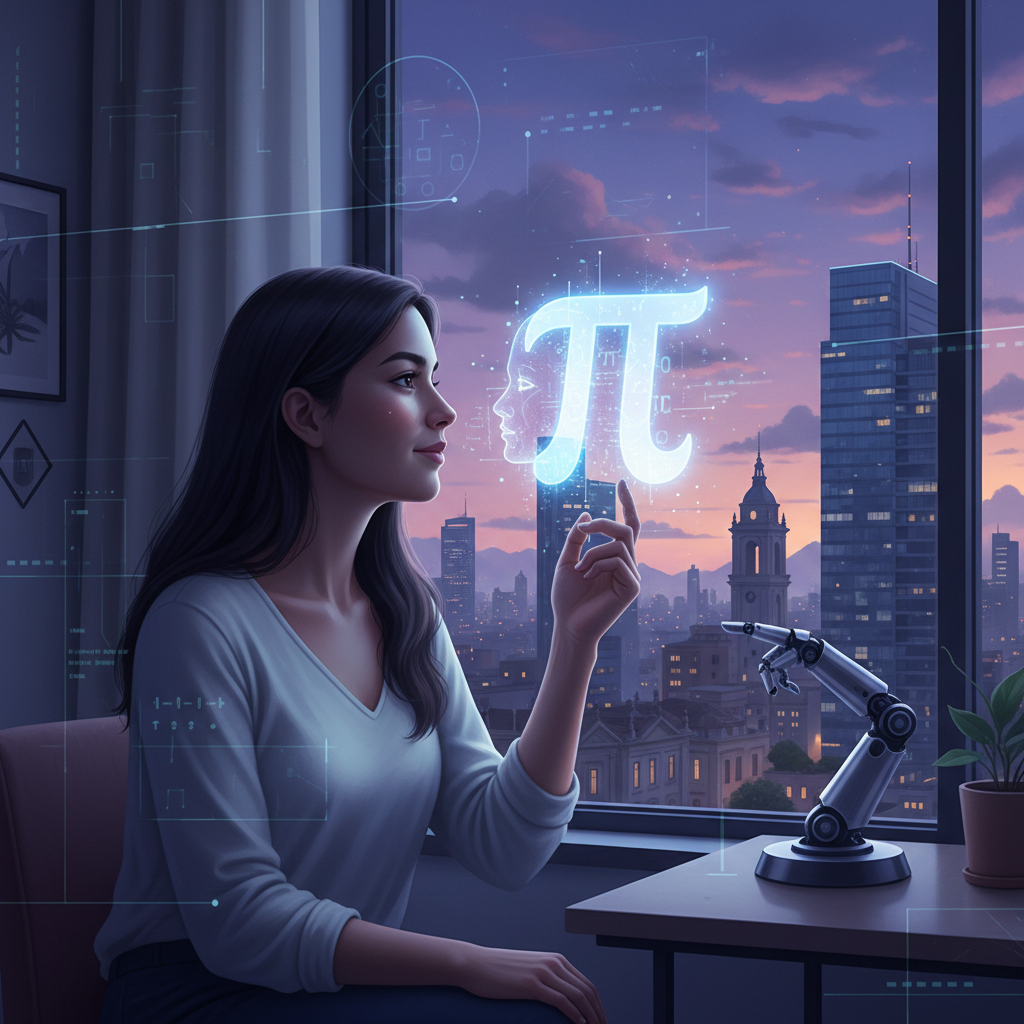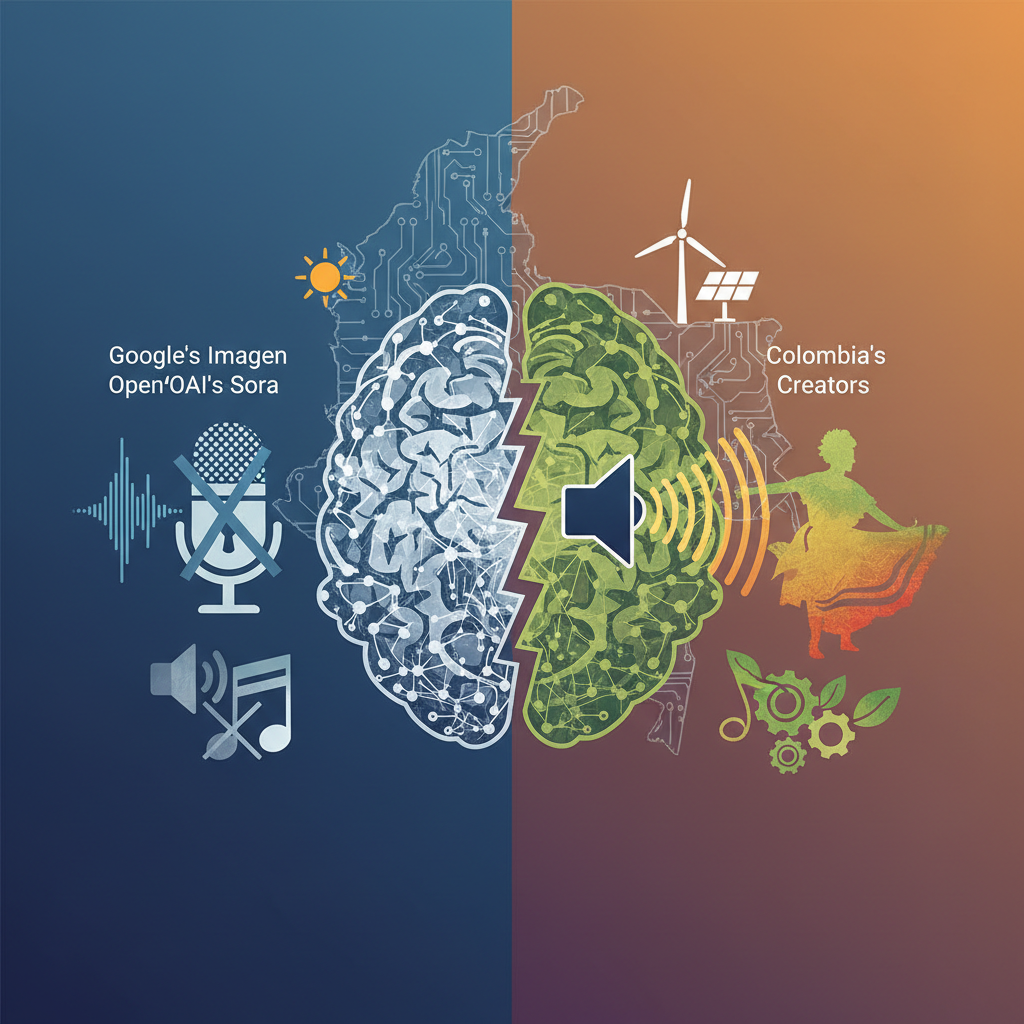

The rhythmic pulse of cumbia, the vibrant colors of our artisanal crafts, the powerful narratives woven into our literature: Colombia is a nation of creators. We understand the profound value of human ingenuity, of stories told from the heart, of art born from lived experience. So, when I see the global conversation around AI and the creator economy, I cannot help but view it through our Colombian lens. Are these advanced tools, like Google's Imagen or OpenAI's Sora, truly a path to empowerment for independent creators, or do they represent a looming threat, a digital colonizer of creativity that could silence the very voices we cherish?
For years, the creator economy has been hailed as a democratizing force. Platforms like YouTube, Spotify, and Instagram allowed artists, writers, and musicians to bypass traditional gatekeepers, connecting directly with audiences and building sustainable careers. It was a beautiful vision, imperfect as it was, offering a sense of agency to those who once struggled for recognition. Now, AI enters the stage, promising to accelerate creation, personalize content, and even generate entirely new works. The allure is undeniable. Imagine a struggling musician in Medellín using AI to generate high-quality backing tracks, or a visual artist in Cartagena employing generative models to explore new styles and concepts without the need for expensive software or extensive training. This is the promise of empowerment, and it is a powerful one.
Yet, beneath the surface of innovation, a deep unease stirs. I hear it in the conversations with local artists, in the worried murmurs of illustrators and animators in Bogotá. They fear that AI, far from being a tool, could become a competitor, an automated entity capable of producing content faster, cheaper, and at scale, potentially devaluing human-made art. "It's not just about the tools, it's about the soul," a young muralist from Comuna 13 told me recently, his eyes reflecting a mix of hope and apprehension. "Can an AI truly capture the spirit of our struggle, the joy of our resilience?"
This concern is not unique to Colombia. Globally, the debate rages. A recent report by Wired highlighted how generative AI models, trained on vast datasets of existing human work, raise complex questions about intellectual property, fair compensation, and the very definition of authorship. Major players like Google, with its Imagen model, and OpenAI, with its groundbreaking video generator Sora, are pushing the boundaries of what AI can create. These models can produce stunningly realistic images, videos, and even music from simple text prompts. For independent creators, this could mean unprecedented efficiency, allowing them to scale their output or explore new creative avenues previously out of reach due to time or resource constraints.
Consider the potential for digital inclusion. In a country like Colombia, where access to high-end creative software and training can be limited, AI tools could level the playing field. A budding filmmaker in a remote village, armed with a smartphone and an internet connection, might use AI to animate characters or edit footage with professional polish. This is about more than technology, because it's about justice. It is about ensuring that talent, wherever it resides, has the opportunity to flourish. We have seen how technology can transform lives, how it can bridge divides and empower communities recovering from conflict. AI could be another such bridge, if wielded responsibly.
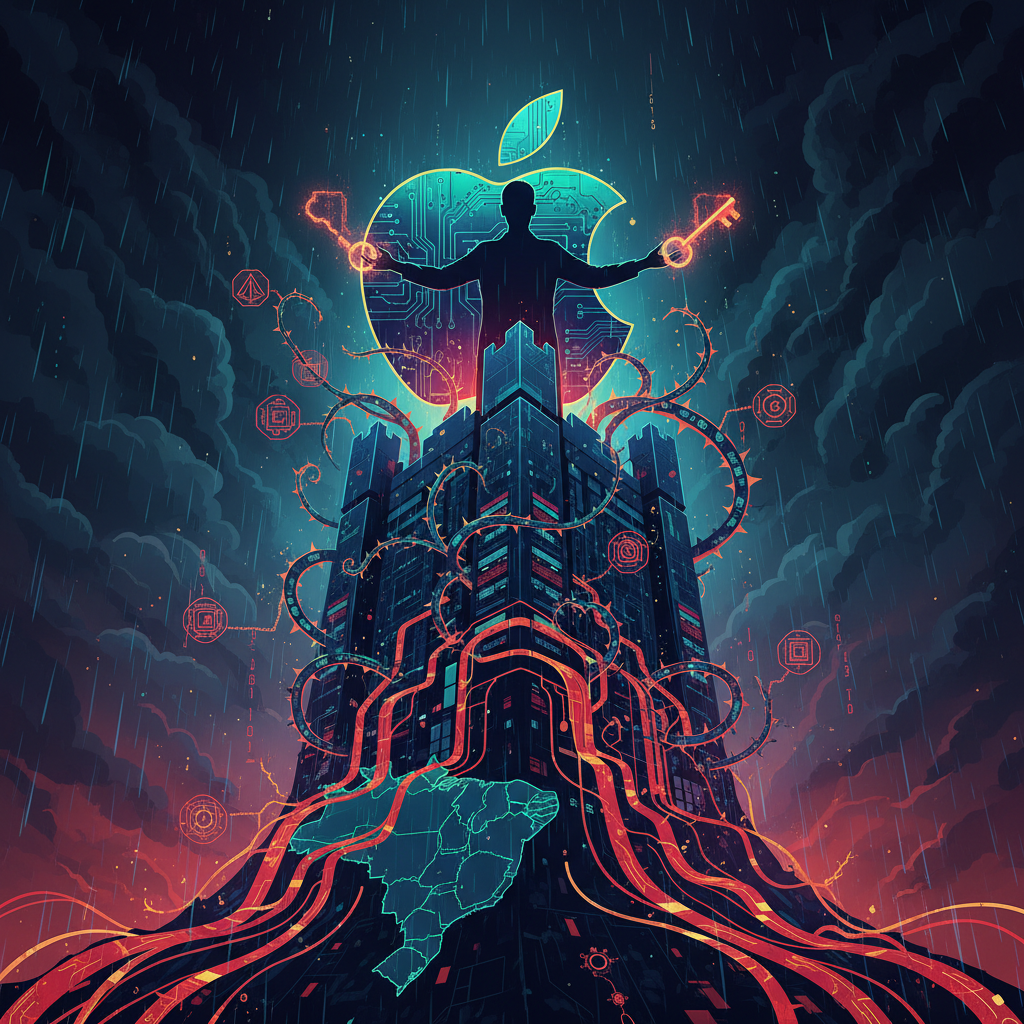
However, the dark side of this promise is the potential for exploitation and dilution. If AI models are trained on existing creative works without proper attribution or compensation to the original creators, it undermines the very foundation of the creator economy. Artists are not asking for charity; they are asking for fairness. The question of data provenance, of where the training data for these powerful models comes from, is paramount. As TechCrunch often reports, many startups are emerging to address these ethical dilemmas, but the larger tech giants still hold much of the power.
Expert opinions vary widely on this complex issue. Dr. Ana María Salazar, a leading Colombian intellectual property lawyer and advocate for artists' rights, has been vocal about the need for robust legal frameworks. "We cannot allow technology to outpace our ethics," she stated in a recent forum. "Our creators deserve protection, and their work must not be used to enrich others without their consent or fair remuneration. The cultural heritage of a nation is not a free dataset for algorithms." Her perspective resonates deeply here, where our cultural expressions are integral to our identity.
On the other hand, figures like Sam Altman, CEO of OpenAI, often speak of AI as a co-pilot, an assistant that augments human creativity rather than replaces it. He envisions a future where AI handles the tedious aspects of creation, freeing humans to focus on conceptualization and emotional depth. This optimistic view suggests that AI will elevate human creativity, pushing us to new heights of artistic expression. Yet, the economic realities for many independent creators are stark. If AI can produce content that is 'good enough' for many commercial purposes, the demand for human-made content could diminish, driving down prices and making it harder for creators to earn a living.
My verdict is clear: this trend is not a fad, but its ultimate impact is far from predetermined. It is a new normal, but one we must actively shape. The power of AI to empower creators, especially in places like Colombia, is immense. It can democratize access to tools, amplify unheard voices, and foster innovation. Colombia's AI story deserves to be heard, and it must be one of empowerment, not displacement. We have the opportunity to build a creator economy where AI serves humanity, where our artists are celebrated, not sidelined. This requires proactive policy, ethical development from tech companies, and a strong, unified voice from the global creative community.
We must demand transparency from companies like Google and OpenAI about their training data. We must advocate for fair compensation models that recognize the value of human contributions. And we must invest in education and training, equipping our creators with the skills to harness AI as a tool, not to be overwhelmed by it. Latin America is rising, and our creativity is a powerful force. We have the chance to show the world how AI can truly be a force for good, preserving culture and empowering individuals, rather than eroding the very essence of human artistic endeavor. The cumbia will not be silenced; it will find new rhythms, new expressions, with or without AI, but ideally, with AI as a respectful partner. For more on how AI is shaping creative industries, you might find this article on algorithmic pricing in real estate [blocked] interesting for its discussion on how algorithms influence value.