Ah, my friends, bonjour! Youssoufaù Traoré here, beaming to you from the heart of Ouagadougou. You know me, always looking for where the future is being coded, where the sparks of innovation ignite. And let me tell you, the air is crackling with change, not just in our vibrant maker spaces, but in the very foundations of the global technology world. We're talking about something huge, something that feels abstract, like a distant storm, but believe me, its winds are already reaching our Sahelian skies: the global economic shifts and trade wars that are totally reshaping the technology supply chain.
The Headline Development: A Quiet Earthquake in the Chip Factories
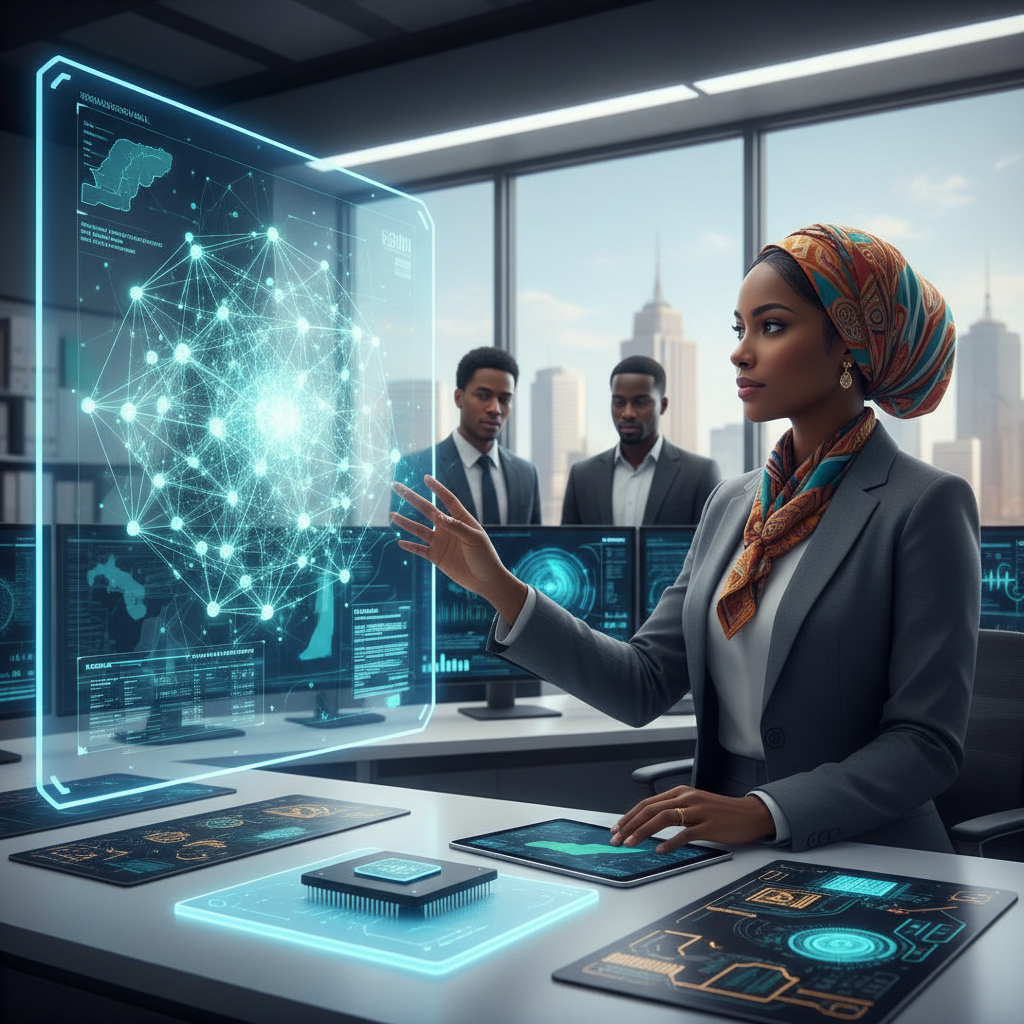
For months, maybe even a year or two, we've been hearing whispers, then shouts, about 'decoupling' and 'reshoring' in the tech world. It started with tariffs, then moved to export controls, and now it's a full-blown strategic realignment. Countries, especially the big players like the United States and China, are no longer content to let their tech giants rely on a single global pipeline for everything from the rare earth minerals that make our smartphones glow to the advanced semiconductors that power Google's Gemini or OpenAI's GPT models. It's a race for self-sufficiency, a scramble to secure critical components, and frankly, it's a bit like watching a giant game of awalé being played on a global scale, where every move has massive implications. Companies like Taiwan Semiconductor Manufacturing Company (tsmc), the unsung hero making most of the world's advanced chips, are being pressured to build new fabs in Arizona, while others are exploring new mineral sources far from traditional hubs. This isn't just a business decision; it's a geopolitical imperative.
Why Most People Are Ignoring It: The Invisible Threads of Progress
Now, I know what you're thinking: "Youssoufaù, this sounds like something for the economists in fancy suits, not for us here in the bustling markets of Ouaga or the quiet villages where we're just trying to get reliable internet." And you'd be right, in a way. The supply chain is, by its very nature, invisible to most of us. We see the shiny new Samsung Galaxy phone, the powerful NVIDIA GPU, or the sleek Apple MacBook, but we rarely think about the thousands of components, the dozens of countries, and the millions of hands that touched those products before they reached us. It's like the roots of a mighty baobab tree: essential for life, but hidden beneath the surface. The news cycles are often dominated by the latest AI chatbot's capabilities or a new social media trend, not the intricate dance of global logistics and trade policies. This attention gap is dangerous, though, because what happens in those distant factories and policy meetings directly impacts the availability, cost, and even the very nature of the technology that will define our future.
How It Affects YOU: More Than Just a Price Tag
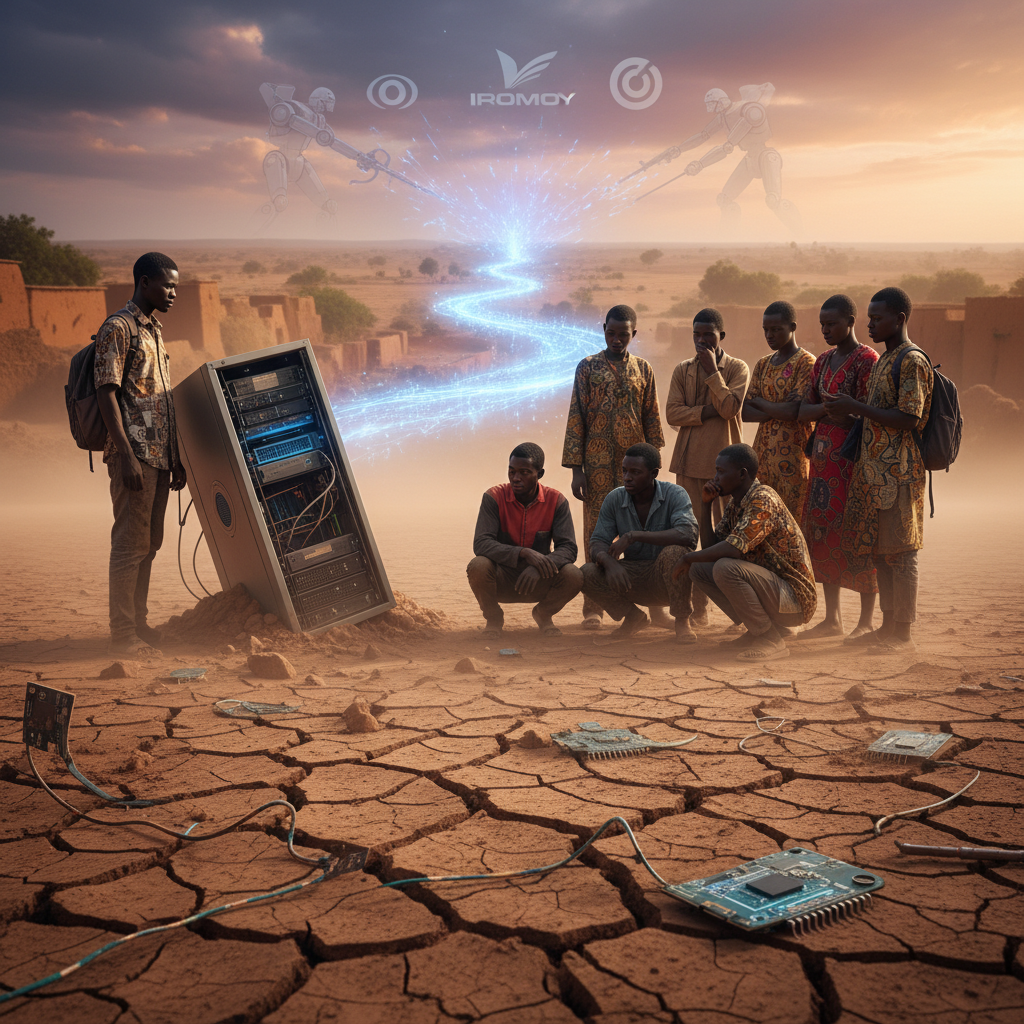
So, how does this abstract global chess game touch your life, my friend? Imagine you're a young entrepreneur in Bobo-Dioulasso, dreaming of building the next great mobile AI application for local farmers. You need powerful, affordable smartphones, reliable cloud services, and maybe even some specialized hardware for edge computing. If the supply chain for these components becomes fragmented, unstable, or more expensive due to trade restrictions, guess what? Your costs go up, your access to cutting-edge tools might be delayed, or worse, certain technologies might not even be available here. We've already seen how global chip shortages during the pandemic impacted everything from car production to gaming consoles. This new era of strategic competition could make those shortages look like a mere hiccup. It could mean fewer choices for consumers, higher prices for essential tech, and slower adoption of innovations that could genuinely transform our communities. For example, if critical components for solar panels or water purification systems become scarce or too expensive because of these shifts, our efforts towards sustainable development could face serious headwinds. This changes everything, my friends, from the price of your next smartphone to the speed of our nation's digital transformation.
The Bigger Picture: Sovereignty, Innovation, and the Digital Divide
Beyond individual impact, the geopolitical reshuffling of tech supply chains has profound implications for national sovereignty and global power dynamics. Nations are realizing that control over technology is control over their future. If you can't produce your own chips, or at least secure a reliable supply, you're at the mercy of others. This is why we see massive investments in domestic chip manufacturing in the US and Europe, and China's relentless push for self-reliance. For countries like Burkina Faso, this means we must be strategic. We cannot afford to be mere consumers in this new technological landscape. We need to foster local innovation, build our own capacity, and diversify our partnerships. If we don't, the digital divide, already a significant challenge, could widen even further. Access to advanced AI, robust cloud infrastructure, and even basic connectivity could become a privilege, not a given. The revolution is being coded right now, and we need to ensure our fingerprints are on the keyboard, not just watching from the sidelines.
What Experts Are Saying: A Chorus of Caution and Opportunity
I spoke with some brilliant minds who are tracking these developments closely. Madame Aminata Diallo, a leading economist at the University of Ouagadougou, told me, "The era of seamless global supply chains is over. Nations are prioritizing national security and economic resilience over pure efficiency. For African nations, this presents both risks and opportunities. We must avoid becoming collateral damage in larger power struggles, and instead, leverage new partnerships and focus on regional integration." Her words echo a sentiment I've heard from many.
Then there's Dr. Kwame Nkrumah, a technology policy analyst at the African Union, who emphasized the need for strategic foresight. "We are seeing a fragmentation of standards and technologies. Imagine a world where different regions use incompatible AI platforms or communication protocols. This could stifle innovation and create new barriers to trade and cooperation. We need to advocate for open standards and interoperability, and build our own tech ecosystems." He's right, the last thing we need is a digital Tower of Babel.
Even from the business side, the message is clear. Monsieur Jean-Luc Kaboré, CEO of a growing tech startup here in Ouagadougou, shared his concerns. "We rely on cloud services from companies like Amazon Web Services and Microsoft Azure, and hardware from Intel and Qualcomm. Any disruption in their supply or significant price increases directly impacts our ability to compete and grow. We're already exploring open source alternatives and local data center solutions to mitigate these risks." It's a proactive approach that many are considering.
What You Can Do About It: From Awareness to Action
So, what can we do? First, stay informed. Read beyond the headlines. Understand the forces shaping our world. Resources like Reuters Technology or MIT Technology Review offer deep dives into these complex issues. Second, support local innovation. The young developers in our coding bootcamps, the engineers tinkering in our maker spaces, they are building the resilience we need. Buy local, invest local, promote local. Third, advocate for policies that prioritize digital literacy, infrastructure development, and open access to technology. We need governments to understand that investing in fiber optics and digital skills is as crucial as investing in roads and schools. Finally, let's build connections. African nations working together, sharing resources and knowledge, can create a powerful bloc that is less vulnerable to external shocks. I've never seen anything like this level of global tech realignment, and our collective response will define our future.
The Bottom Line: Why This Will Matter in 5 Years
In five years, the global technology landscape will look dramatically different. The idea of a single, interconnected, hyper-efficient global supply chain will be a relic of the past. We will likely see more regionalized manufacturing, diversified sourcing, and perhaps even competing technological ecosystems. For Burkina Faso, and for Africa, this means a pivotal moment. We can either be passive recipients of these changes, forced to adapt to whatever scraps fall our way, or we can proactively shape our own digital destiny. By understanding these shifts, fostering local talent, and building robust, resilient tech ecosystems, we can ensure that the chips powering the future are not just made somewhere else, but are also designed, developed, and utilized right here, for the benefit of our people. This isn't just about trade; it's about our independence, our innovation, and our place in the global digital future. It's a future I'm incredibly excited to help build, right alongside all of you.