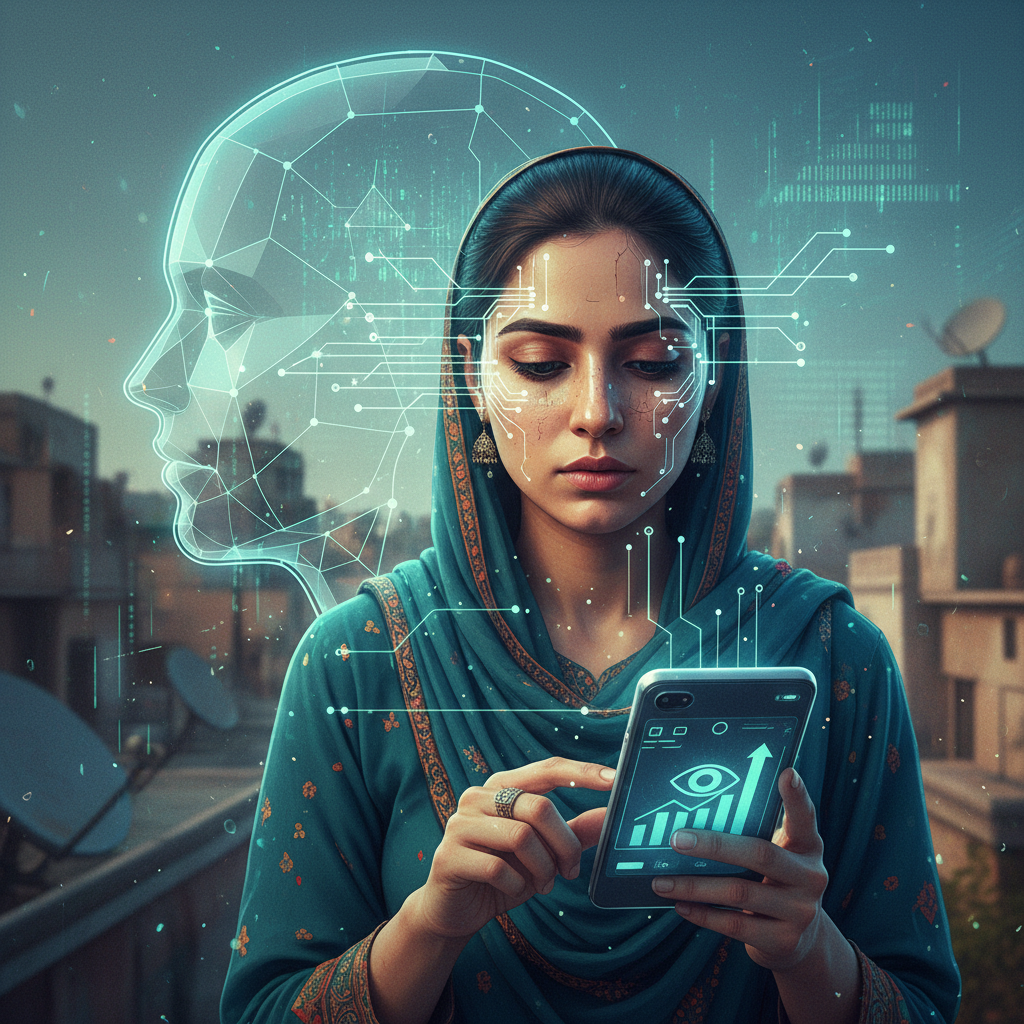

Picture this: a young man, let us call him Mateo, zipping through the chaotic, charming streets of Santiago on his motorcycle. He is delivering groceries for Cornershop, a Chilean-born darling of the gig economy now owned by Uber. His phone, a glowing oracle in his pocket, dictates his every move. Accept this order, reject that one, hurry up, wait. His income, his rating, his very livelihood, hangs on the whims of an algorithm. Mateo is not just a delivery driver; he is a cog in a vast, invisible machine, and that machine is doing more than just coordinating logistics. It is subtly, insidiously, rewiring his brain.
This is not some dystopian science fiction, my friends. This is April 2026, and it is the reality for hundreds of thousands of Chileans in the gig economy. The Andes view of AI is different, you see. While the Silicon Valley gurus wax poetic about efficiency and innovation, down here, we are feeling the sharp edges of algorithmic management on a very human level. We are talking about the psychological toll of constant surveillance, unpredictable income, and the erosion of autonomy. It is a slow burn, a quiet revolution in human-AI interaction that few are truly prepared for.
The core of the issue lies in what psychologists call 'algorithmic management' or 'control by algorithm.' Companies like Uber, Cornershop, and Rappi use sophisticated AI to manage their vast fleets of independent contractors. These algorithms determine everything: who gets which job, how much they get paid for it, how quickly they need to complete it, and even when they can work. There is no human boss to negotiate with, no fixed schedule, no clear path for advancement. Just a data-driven overlord that is always watching, always optimizing, and always evaluating.
Dr. Carolina Herrera, a labor psychologist at the Universidad de Chile, has been studying this phenomenon for years. She notes, "The constant pressure to maintain a high rating, the fear of deactivation, and the unpredictable nature of earnings create a chronic state of stress and anxiety among gig workers. It is a form of precarity that extends beyond economics into mental health." She is not wrong. Imagine living your professional life under a perpetual performance review conducted by an emotionless computer. Your self-worth, your ability to pay rent, all tied to a star rating that fluctuates with traffic, customer mood, and factors entirely beyond your control.
Research from institutions like MIT Technology Review has highlighted how these systems exploit cognitive biases. The gamification of tasks, with badges and streaks, taps into our desire for achievement, making us work longer for diminishing returns. The fear of missing out on a good fare keeps drivers logged in for hours, even when business is slow, leading to burnout. The opaque nature of the algorithms means workers cannot understand why they were penalized or how to improve, fostering a sense of helplessness and injustice. It is a psychological trap, expertly laid by data scientists.
And what about the human connection? Or rather, the lack thereof? Mateo, like many others, spends his days interacting primarily with a screen and anonymous customers. The camaraderie that often develops among colleagues in traditional workplaces is largely absent. This social isolation, coupled with the algorithmic pressure, can lead to feelings of loneliness and depression. "Humans are social creatures," explains Dr. Ricardo Soto, a sociologist specializing in digital labor at the Pontificia Universidad Católica de Chile. "When you strip away the social fabric of work and replace it with algorithmic directives, you are fundamentally altering human behavior and well-being. Santiago has something to say about this; our culture is built on human connection, not cold efficiency." He makes a valid point. Our Chilean culture, with its emphasis on family, community, and direct interaction, feels particularly vulnerable to this sort of digital alienation.
The broader societal implications are staggering. As more sectors adopt gig economy models, we risk creating a workforce that is perpetually stressed, isolated, and disempowered. This is not just about individual well-being; it is about the fabric of our society. A populace living in constant algorithmic anxiety is not a healthy, productive, or civically engaged one. We are seeing early signs of this in Chile, with a growing number of gig workers reporting mental health issues and a struggle to disconnect from work, even when not actively delivering.
So, what is to be done? First, transparency is paramount. Workers need to understand how these algorithms function, how decisions are made, and how they can appeal unfair outcomes. This is not just a plea for fairness, but a demand for basic human dignity in the digital age. Second, there needs to be a re-evaluation of the 'independent contractor' model. If algorithms are controlling every aspect of a worker's day, are they truly independent? Perhaps it is time to consider extending basic labor rights and protections to gig workers, as some European countries are beginning to do. Finally, we, as consumers, must also be aware of the human cost behind the convenience. That quick delivery comes at a price, and it is often paid by the mental health of the person on the other side of the app.
Chile's tech scene is like its wine, underrated and excellent, but we must ensure that our innovation serves humanity, not subjugates it. The promise of AI should be to augment human capability, not to diminish human autonomy and well-being. As we navigate this algorithmic age, we must remember that behind every data point, every delivery, and every rating, there is a human being. Their psychology, their dignity, and their future are at stake. For more on how algorithms are shaping our daily lives, you might want to check out this piece on AI culture and society. The conversation is far from over, and it is one we must all participate in. We cannot let the algorithms win by default. Perhaps a good place to start is by supporting local initiatives that advocate for gig worker rights, like the Unión de Trabajadores de Aplicaciones (untrap) here in Chile. Their voices, often drowned out by the digital noise, are crucial. For a deeper dive into the technical side of AI and its societal impact, Reuters Technology often provides excellent coverage.