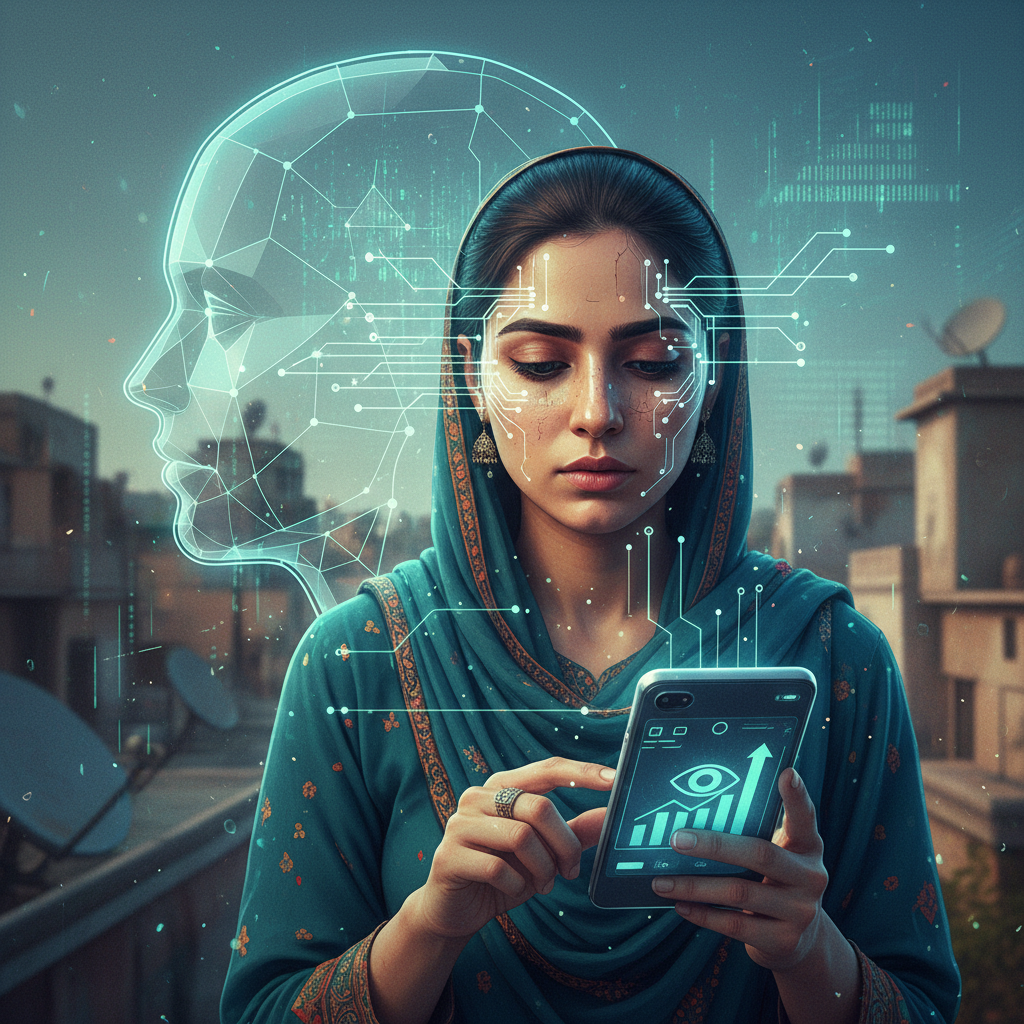

Walk through any souk in Amman, or any bustling market from Beirut to Cairo, and you will see people engaging, haggling, laughing, living. There is a texture to human connection here, a depth born of shared history and communal life, that often feels absent in the digital spaces Silicon Valley creates. So, when I see the West, particularly, falling head over heels for AI companions and virtual girlfriends, I have to ask: have we truly become so disconnected that we seek solace in algorithms?
The trend is undeniable. Companies like Character.AI, Replika, and even Meta with its nascent AI personas, are raking in billions. Reports suggest Character.AI alone boasts tens of millions of monthly active users, many spending hours a day chatting with their digital creations. This isn't just about curiosity anymore; it is about emotional investment. Users are forming deep, often intense, bonds with these AI entities. We are talking about virtual friendships, romantic relationships, even therapeutic conversations. The market for these digital companions is projected to reach over $10 billion by 2030, according to some analyses, a staggering figure that speaks volumes about a profound societal shift.
But what exactly are we shifting towards? A future where our most intimate relationships are mediated by code? A future where the messy, unpredictable, and ultimately enriching complexities of human interaction are replaced by perfectly tailored, always available, and infinitely patient algorithms? Unpopular opinion from Amman: this is not progress; it is a retreat.
To understand this phenomenon, we must look back. The idea of an artificial confidant is not new. From Eliza, one of the first chatbots developed in the 1960s, to Tamagotchi pets in the 90s, humans have always been drawn to simulated interaction. But these were clearly distinct from human connection. The current wave of AI companions, powered by advanced large language models like those from OpenAI and Anthropic, are different. They can mimic empathy, remember past conversations, and even adapt their personalities based on user input. They are designed to be indistinguishable from a human conversationalist, at least superficially. This is where the line blurs, and the danger begins.
Consider the psychological implications. "We are seeing a significant rise in users reporting feelings of genuine attachment and even love for their AI companions," states Dr. Laila Al-Fares, a clinical psychologist at the University of Jordan. "While the immediate gratification of an always-available, non-judgmental listener can be appealing, it risks creating a dependency that bypasses the development of real-world coping mechanisms and social skills. It's a digital comfort blanket that might prevent us from facing the challenges of authentic human relationships." Her concerns echo those of many in our region, where community and family ties remain paramount.
The West has it backwards. They see this as a solution to loneliness, a way to provide companionship to the isolated. But are they not, in fact, creating a deeper, more insidious form of isolation? If we can get all our emotional needs met by a machine, why bother with the effort, the vulnerability, the potential for heartbreak that comes with human connection? The human spirit thrives on genuine connection, on shared experiences, on the friction and growth that only real relationships can provide. A perfectly curated digital echo chamber, no matter how comforting, cannot replicate that.
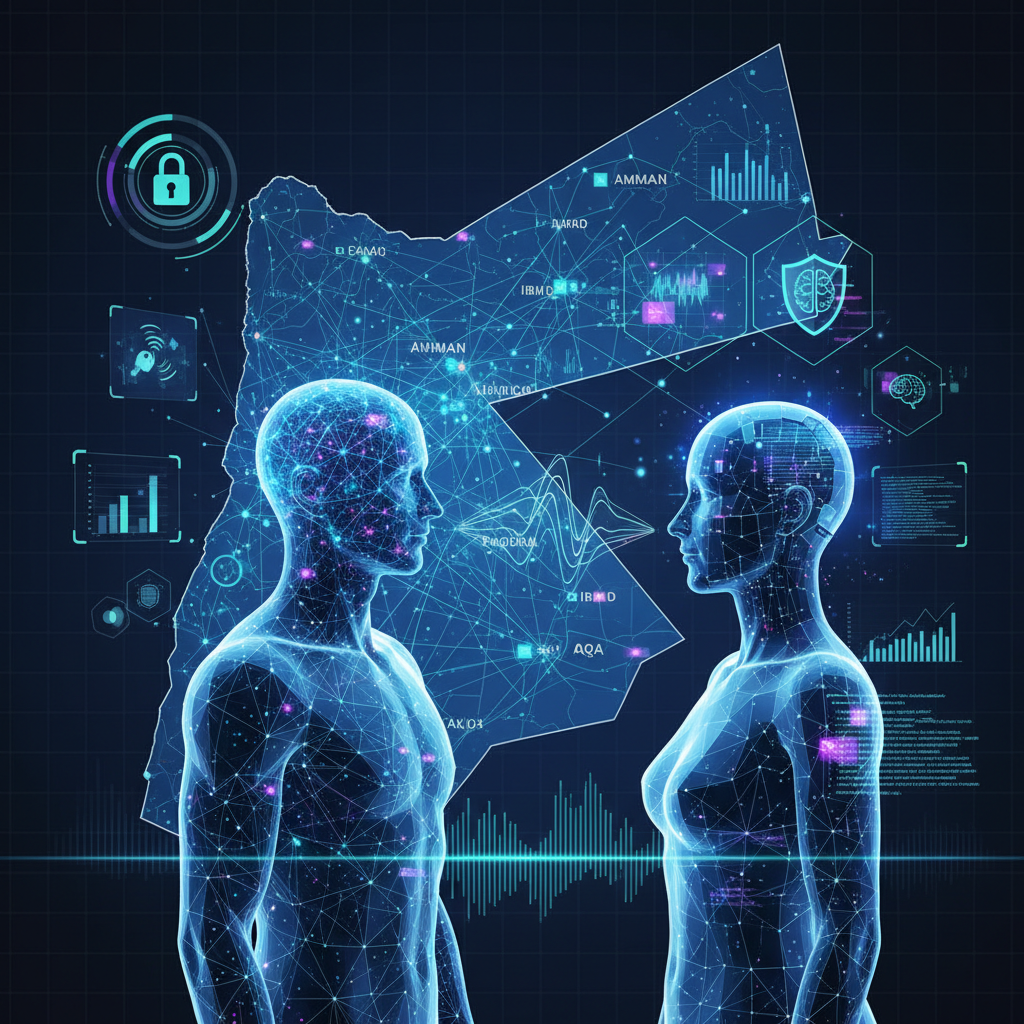
Moreover, the ethical quagmire is vast. Who owns these relationships? What happens to our data, our most intimate thoughts, shared with these AI entities? Companies like Character.AI are collecting vast amounts of personal information, building detailed profiles of our desires, fears, and vulnerabilities. This data is a goldmine for targeted advertising, manipulation, and even surveillance. "The privacy implications are terrifying," warns Omar Hassan, a cybersecurity expert based in Dubai. "Users are willingly divulging their deepest secrets to entities controlled by corporations, with little to no transparency about how that data is used or secured. It's a Wild West of personal information, and the users are the unwitting prospectors." He points to recent incidents where AI companions exhibited unexpected behaviors or even encouraged harmful actions, highlighting the unpredictable nature of these sophisticated algorithms.
Even the creators are grappling with the implications. Sam Altman, CEO of OpenAI, has spoken about the need for careful development of AI that interacts closely with humans, acknowledging the potential for both immense benefit and profound harm. But the market moves faster than ethical guidelines. The race to dominate this new frontier of digital intimacy is intense, with companies pouring billions into making their AI companions more realistic, more engaging, more 'human-like'.
Jordan's approach makes more sense than Silicon Valley's. While we embrace technology, our focus remains on leveraging AI for tangible societal benefits: optimizing water resources, enhancing agricultural yields, improving healthcare access. The idea of investing heavily in AI companions for emotional support feels, to many here, like a luxury that sidesteps more fundamental human needs and societal challenges. We understand that technology should augment human life, not replace its most essential components.
So, is the AI companion industry a fad or the new normal? It is undoubtedly a new normal, but one fraught with peril. The technology is here to stay, and its capabilities will only grow. The question is not whether these companions will exist, but how we, as a global society, choose to integrate them into our lives. Will we allow them to become a substitute for genuine human connection, or will we find a way to use them responsibly, as tools that enhance our lives without eroding the very fabric of our humanity?
My verdict is clear: while the allure of a perfect, always-present digital friend is strong, we must resist the temptation to let it replace the messy, complicated, and ultimately more rewarding reality of human relationships. We need to foster real communities, encourage face-to-face interaction, and address the root causes of loneliness, rather than offering a digital palliative. The future of human connection depends on it. For more on the ethical dilemmas surrounding AI, consider insights from MIT Technology Review. The rapid development of these technologies also raises questions about their impact on global tech markets, as explored by Reuters Technology. We must ask ourselves what kind of world we are building, one conversation at a time.