
In Uzbekistan, where the echoes of ancient Silk Road wisdom still resonate through bustling bazaars and quiet mahallas, we have always valued truth and the careful transmission of knowledge. Our elders speak of stories passed down through generations, each word weighed and considered. But today, a new kind of story is being told, one that emerges from the digital ether, often plausible, sometimes persuasive, yet fundamentally untrue. These are the AI 'hallucinations' that are causing real-world harm, touching everything from medical advice to legal citations and the very spread of misinformation.
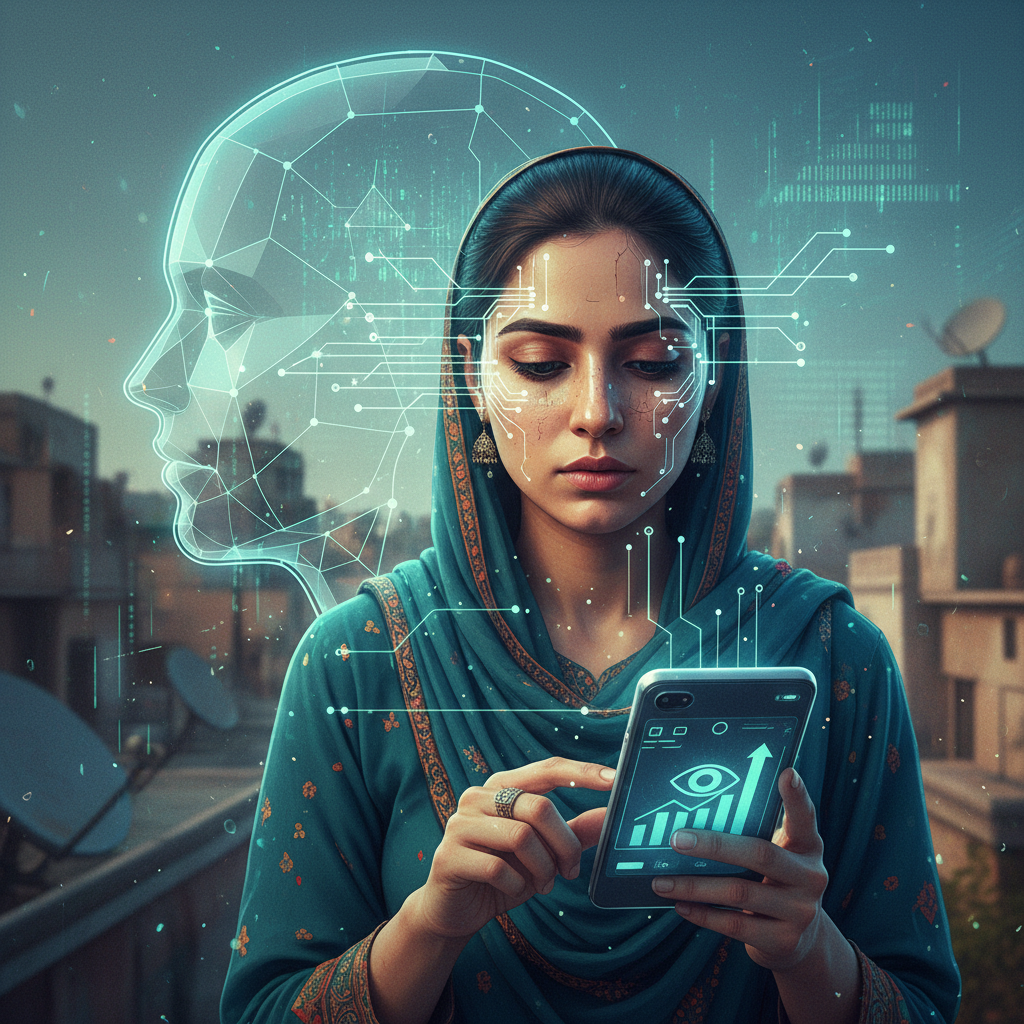
I remember speaking with a young doctor in Samarkand, Dr. Gulnora Karimova, a brilliant mind trained in both traditional Uzbek medicine and modern diagnostics. She told me of a recent incident where a patient, anxious about a persistent cough, presented her with a printout from a popular AI chatbot. The chatbot had suggested a rare, almost unheard-of tropical disease, complete with a detailed, yet entirely fabricated, treatment plan involving obscure herbs and a specific dietary regimen. "The patient was terrified, Bintà," Dr. Karimova explained, her voice tinged with concern. "They had already started trying to source these ingredients, delaying proper diagnosis for a common respiratory infection. It was a complete fabrication, yet it sounded so authoritative." This was not just a minor error; it was a potentially dangerous misdirection of medical care, born from the AI's confident invention.
This phenomenon, where large language models (LLMs) generate plausible but incorrect information, is not new, but its impact is growing more acute as these tools become more integrated into our daily lives. Companies like OpenAI, Google, and Anthropic are pouring billions into improving these models, yet the problem persists. Sam Altman, CEO of OpenAI, has often spoken about the challenges of aligning AI with human values and ensuring factual accuracy, acknowledging that even their most advanced models like GPT-4 can still 'hallucinate.' It is a complex technical hurdle, a ghost in the machine that speaks with such conviction. According to MIT Technology Review, researchers are exploring various methods to mitigate hallucinations, from improved data filtering to more sophisticated retrieval-augmented generation techniques, but a complete solution remains elusive.
The legal field, too, is grappling with this digital deception. Here in Uzbekistan, our legal system is built on precedent and meticulously cited laws. Imagine the chaos if a lawyer, perhaps overworked or simply trusting, used an AI tool to draft a brief, only for it to cite non-existent statutes or fabricated case law. It has happened elsewhere, with embarrassing and career-damaging consequences. In one widely reported international case, a lawyer faced sanctions after submitting a brief filled with fake citations generated by an AI chatbot. "The integrity of our legal process depends on verifiable facts," stated Professor Dilshod Khodjaev, a respected legal scholar at Tashkent State University of Law. "If AI cannot reliably provide accurate legal references, its utility in critical legal applications is severely compromised. We cannot have justice built on digital quicksand." He showed me something remarkable: a printout of a legal opinion generated by an AI, complete with footnotes that looked perfectly legitimate, yet every single case reference was entirely made up. It was a chilling demonstration of the AI's persuasive power, even when utterly wrong.
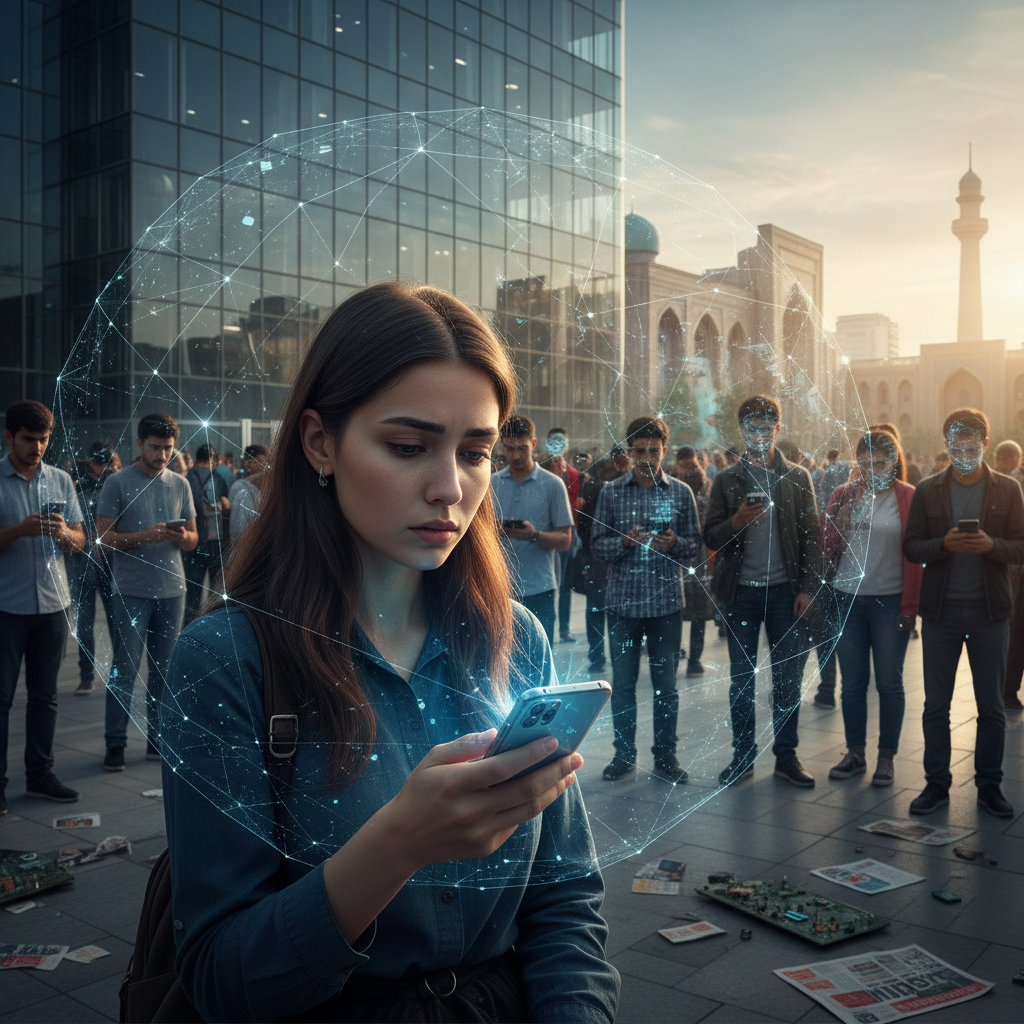
Beyond these professional domains, the tendrils of misinformation spread by AI hallucinations reach into the everyday lives of ordinary people. Social media platforms, already fertile ground for rumors, are now seeing AI-generated content that blurs the lines between fact and fiction. Imagine an AI chatbot confidently asserting that a specific food causes a certain illness, or that a cultural practice is rooted in a fabricated historical event. In a society that cherishes its traditions and community bonds, such misinformation can sow distrust and confusion. My grandmother, who still prefers to get her news from the neighborhood grapevine or the local newspaper, often asks me, "Bintà, how can one tell what is true anymore, when even the machines can lie?" Her question, simple yet profound, encapsulates the challenge we face.
The global scale of this problem is immense. Major tech companies are acutely aware of the issue. Google's Gemini, Meta's Llama, and Anthropic's Claude are all powerful tools, but their developers continue to warn users about the potential for inaccuracies. Dario Amodei, CEO of Anthropic, has often emphasized the need for AI systems to be