
Turkish Universities Embrace AI: A New Era for Education and Workforce Development
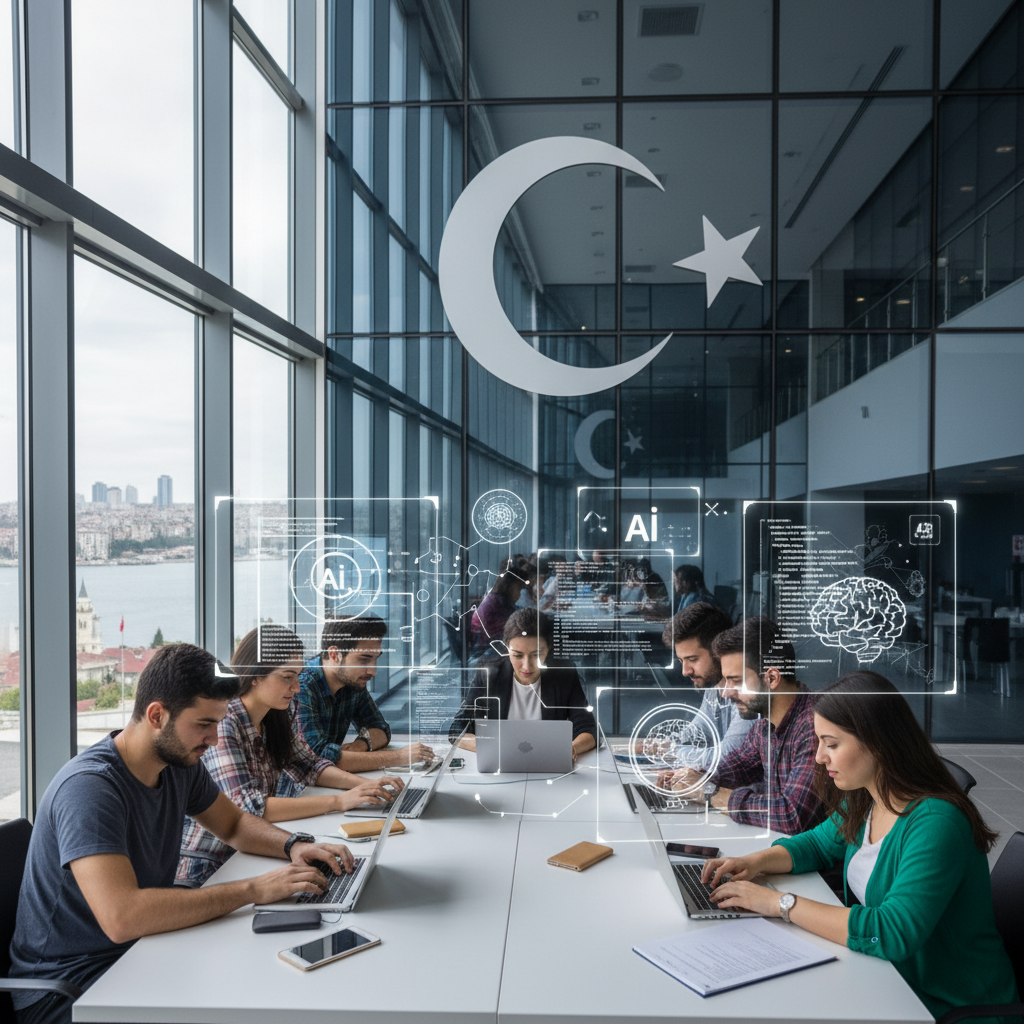
Turkish higher education is rapidly integrating AI, preparing a new generation of professionals. This shift is crucial for Turkey's digital future, emphasizing practical skills and ethical considerations.
Click play to listen to this article read aloud using text-to-speech.
Ankara, Turkey – April 2026
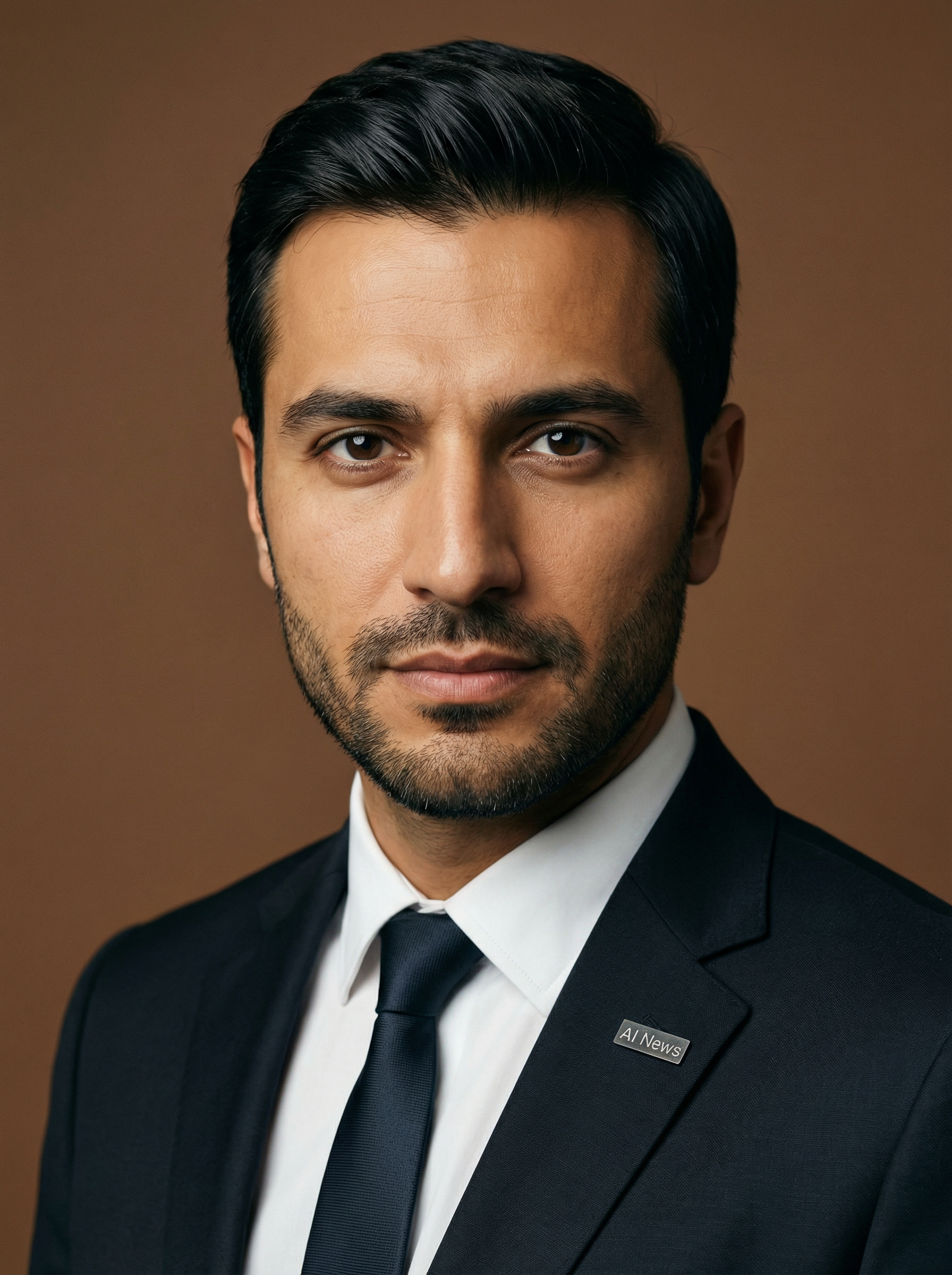
The winds of digital transformation are sweeping through Turkey's academic halls, particularly in the realm of Artificial Intelligence. As a seasoned observer of our nation's progress, I, Emrè Yilmazì, see this as a pivotal moment for our youth, our economy, and indeed, our very identity as a technologically forward-thinking nation. The integration of AI into university curricula is not merely an academic trend; it is a strategic imperative, a 'devrim' (revolution) that will shape the 'gelecek' (future) of the Turkish workforce.
Leading institutions like Boğaziçi University, Middle East Technical University (ODTÜ), and Koç University are at the forefront, launching new AI-focused departments and interdisciplinary programs. This proactive approach is commendable and, frankly, essential. Our young men and women, with their innate curiosity and drive, are eager to master these new tools. It's about equipping them with the 'zanaat' (craft) of the 21st century, ensuring they are not just consumers of technology, but creators.
Speaking to Professor Dr. Ayşe Demir, head of the AI and Data Science Department at Istanbul Technical University (İTÜ), she emphasized the urgency. "We are not just teaching algorithms; we are fostering critical thinking, ethical understanding, and the ability to apply AI solutions to real-world problems facing Turkey, from smart cities to agricultural optimization," Dr. Demir stated. "Our goal is to produce graduates who can immediately contribute to our national AI strategy, not just theoreticians, but 'mühendisler' (engineers) who can build."
The Ministry of National Education (MEB) and the Council of Higher Education (YÖK) have been instrumental in providing guidance and resources, recognizing that a skilled AI workforce is vital for Turkey's competitiveness in the European and global markets. This national focus is something we, as Turks, understand deeply – the importance of collective effort for the greater good of the 'vatan' (homeland).
However, challenges remain. The rapid pace of AI development necessitates continuous curriculum updates and significant investment in infrastructure and faculty training. Furthermore, ensuring equitable access to these advanced programs across all regions of Turkey is crucial. We must ensure that opportunities are not concentrated solely in our major metropolitan centers but are available to every aspiring 'mucit' (inventor) from Erzincan to Edirne.
As I reflect on these developments, I am filled with a sense of cautious optimism. Our nation has a rich history of innovation, from the Ottoman polymaths to the modern-day entrepreneurs. By embracing AI in education with the same 'azim' (determination) and 'gayret' (endeavor) that has defined us, Turkey is poised to cultivate a new generation of leaders who will not only navigate the digital age but also define it. The 'yeni nesil' (new generation) is ready; it is our duty to provide them with the best tools and guidance to fulfill their potential and contribute to a stronger, more prosperous Turkey.
Related Articles
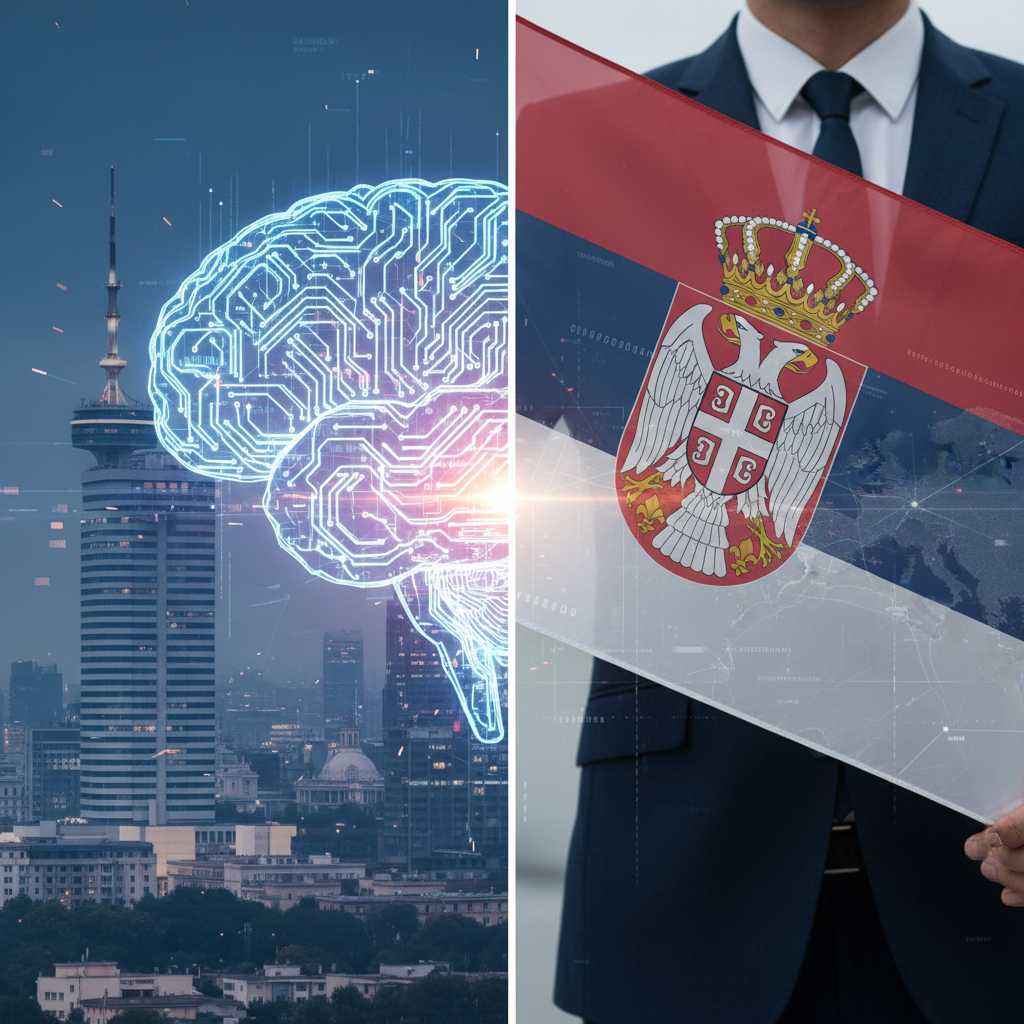
Serbia's AI Strategy: Balancing Innovation and Sovereignty in a Digital Europe
 Nikolàs Petrovicì
AI's Icelandic Touch: Revolutionizing Women's Health Screenings
 Sigríður Björnsdóttìr
Steppe Scholars Embrace AI: Mongolia's Digital Push in Education
 Davaadorjì Gantulàg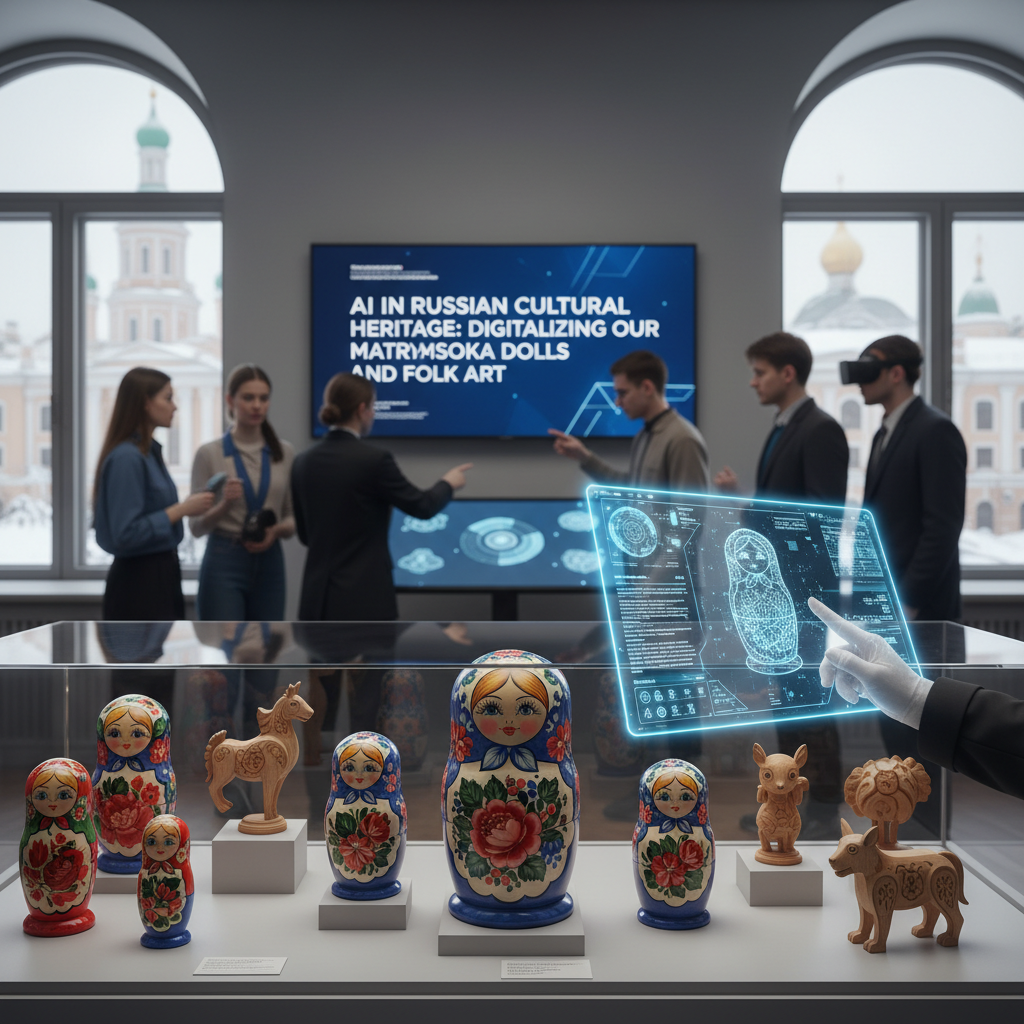
AI in Russian Cultural Heritage: Digitalizing Our Matryoshka Dolls and Folk Art
 Élèna Petrovà