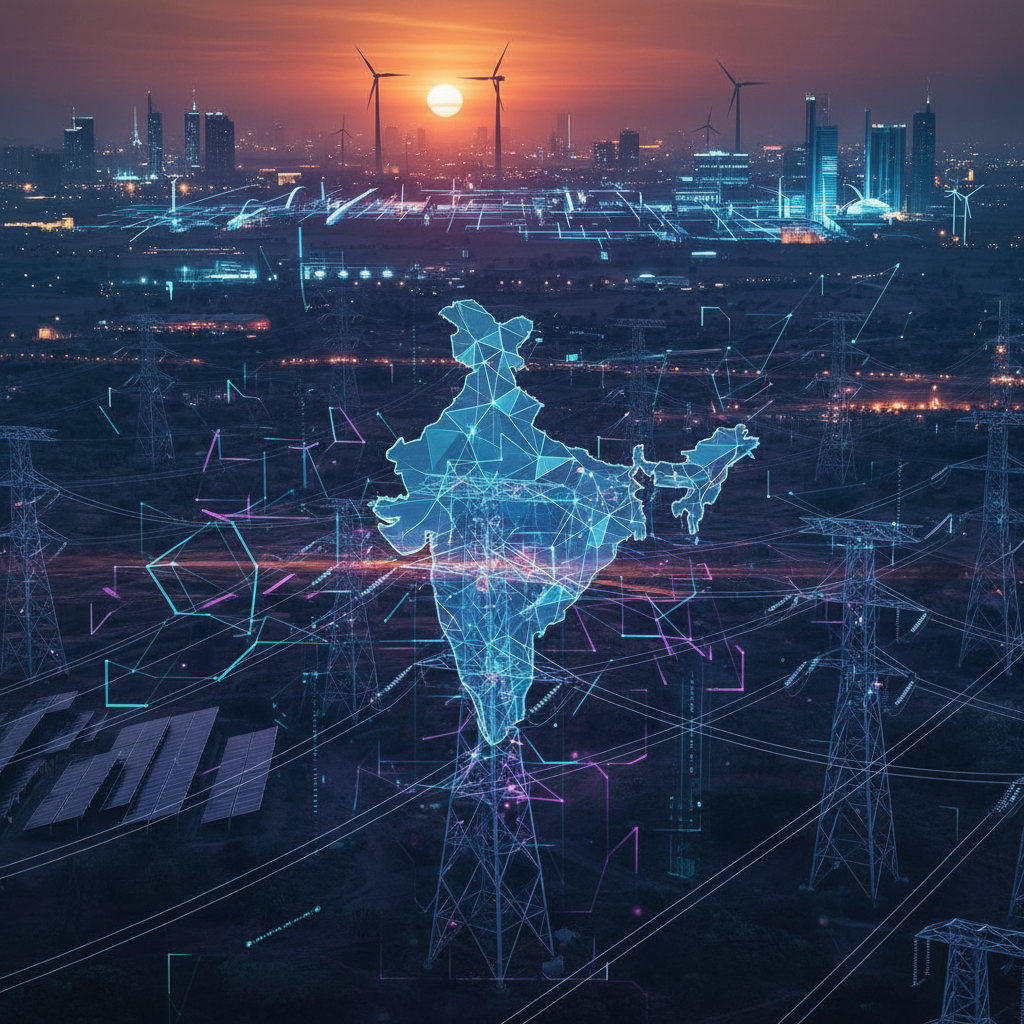

The monsoon season is upon us again, a familiar rhythm in India, bringing life and sometimes chaos. But this year, something is different, something subtle yet profoundly transformative is unfolding beneath the surface of our daily lives. While the headlines scream about the latest generative AI marvels or the next big tech IPO, a silent revolution is brewing in the very arteries of our nation: our energy grids. Artificial intelligence, in its most practical and potent form, is quietly taking over the complex dance of power generation, distribution, and consumption. This isn't a future vision, my friends, it's happening right now, from the bustling streets of Mumbai to the remote villages powered by microgrids.
Why most people are ignoring it, you ask? Simple. It's not glamorous. It doesn't have a viral TikTok challenge or a celebrity endorsement. Energy infrastructure is, by its very nature, meant to be invisible when it works. We only notice it when it fails. The average person doesn't spend their chai break pondering smart grids or predictive maintenance algorithms. They're worried about their mobile data plan, their next meal, or the traffic. This attention gap, however, is precisely why we need to talk about it. The stakes are too high to leave this critical transformation to the engineers and policymakers alone. This is an inflection point, a moment where the foundation of our modern existence is being rewritten by invisible lines of code.
So, how does this affect you, my dear reader, sitting perhaps in Bengaluru or Delhi, or even far away in London or New York? Think about your electricity bill. AI in grid management promises to optimize energy flow, reducing waste and potentially lowering costs. Imagine fewer power outages, especially during those sweltering summer months when the grid strains under demand. For businesses, it means more reliable power, preventing costly downtime. For farmers, it means smarter allocation of irrigation pumps, crucial for their livelihoods. Beyond the immediate comfort, consider the air you breathe. By optimizing renewable energy integration, AI helps reduce our reliance on fossil fuels, directly impacting air quality and public health. This isn't some abstract technological marvel; it's about the quality of your life, your family's health, and your wallet. It's about ensuring that the next generation inherits a more stable, sustainable world.
Now, let's zoom out to the bigger picture. For India, this is nothing short of a strategic imperative. Our energy demand is skyrocketing, projected to nearly double by 2040. Meeting this demand sustainably, reliably, and affordably is perhaps the greatest challenge and opportunity of our time. AI offers the tools to balance intermittent renewable sources like solar and wind with traditional power plants, predict demand fluctuations with unprecedented accuracy, and even manage distributed energy resources like rooftop solar panels across millions of homes. This isn't just about efficiency; it's about energy security, a cornerstone of national sovereignty. A resilient, AI-powered grid is a shield against both natural disasters and cyberattacks, which are increasingly targeting critical infrastructure globally. Reuters has reported extensively on the escalating threat of cyber warfare against energy systems, and AI is our best defense.
This is where India will own the next decade of AI. While others are busy with large language models and fancy image generators, India's deep tech ecosystem, fueled by brilliant minds from IITs and a burgeoning startup scene, is quietly building the backbone of future energy systems. Forget Silicon Valley, look at Hyderabad. Companies like GridSense AI, a homegrown unicorn, are developing predictive analytics platforms that can anticipate equipment failures days in advance, preventing blackouts across entire districts. We're not just consumers of AI here; we are architects.
Experts across the spectrum are echoing this sentiment. Dr. Priya Sharma, Director of the National Energy Institute in Delhi, recently stated,