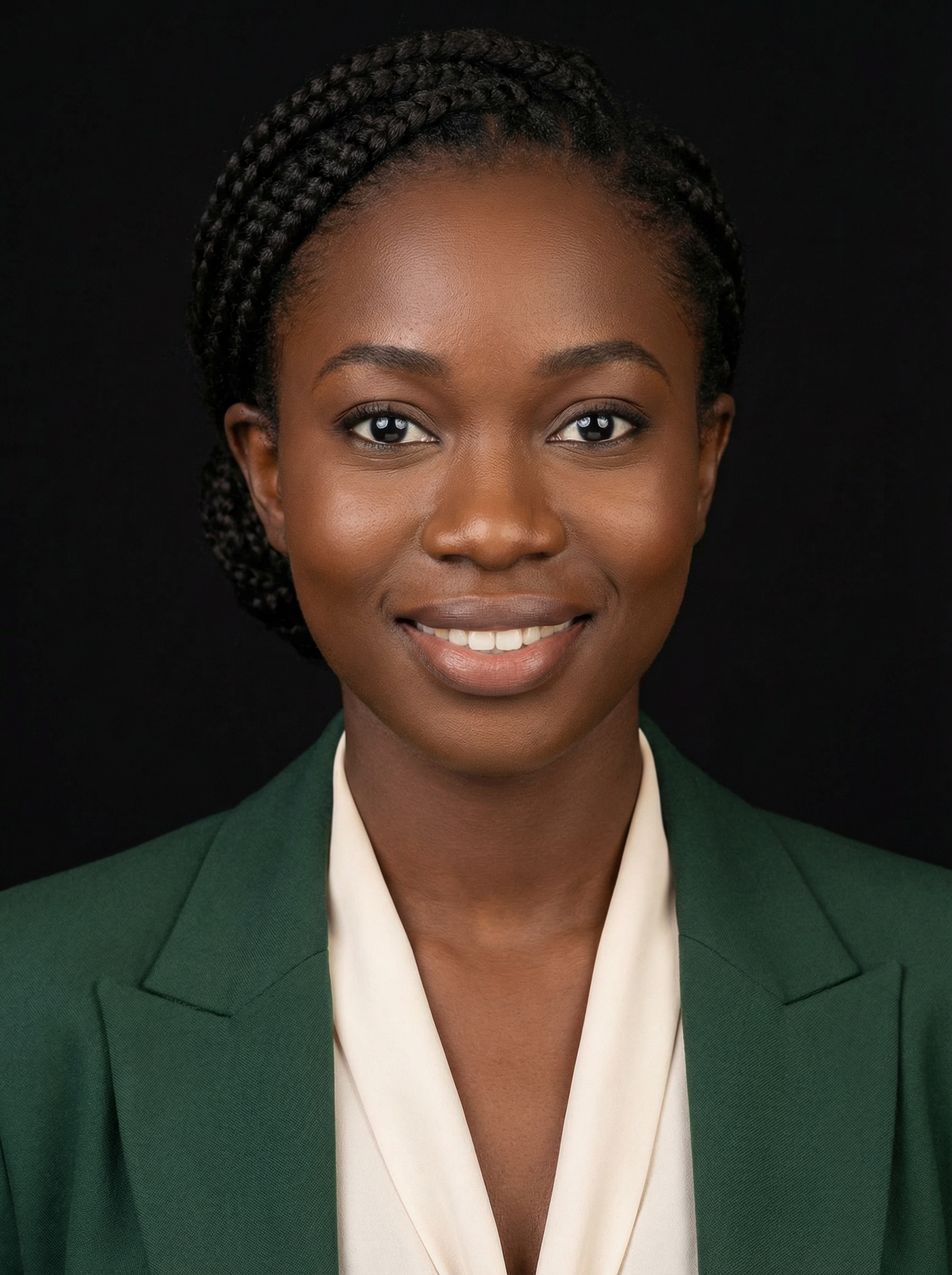
Picture this: a bustling market in Abidjan, the air thick with the scent of attieke and grilled fish, vibrant fabrics draped everywhere. Amidst this beautiful chaos, a young woman, perhaps in her mid-twenties, sits hunched over a laptop, lines of code scrolling across her screen. Her name is Adja, and she dreams of building AI solutions that could transform healthcare in our villages, or optimize our cocoa production. But Adja, like so many of her peers, is also receiving emails from recruiters in London, Toronto, and even Dubai, offering salaries and opportunities that seem light years away from what she can find here at home.
This is the silent exodus I've been observing, a subtle yet profound shift in the landscape of talent in Côte d'Ivoire. The global race for AI expertise is intensifying, and while it presents incredible opportunities for individual Ivorian innovators, it also poses a significant challenge to our nation's ambition to become a digital leader in Africa. The allure of established AI hubs, with their vast resources, cutting-edge infrastructure, and competitive compensation, is a powerful magnet.
I recently spoke with Dr. Amadou Koné, a brilliant computer scientist who, after completing his PhD in machine learning in France, returned to Abidjan with a vision. He founded a small AI startup aimed at developing predictive models for agricultural yields. "The passion is here, the intelligence is here, the problems to solve are definitely here," Dr. Koné told me, his voice tinged with both hope and frustration. "But the ecosystem, the funding, the access to advanced computing power, it's a constant uphill battle. When a major tech company offers a young graduate five, ten times what they could ever hope to earn here, with a clear path for growth, how do you tell them to stay?"
Indeed, the numbers speak for themselves. A recent report by the African Development Bank indicated that over 70% of African graduates in Stem fields who study abroad do not return to their home countries within five years of graduation. While this isn't solely an AI phenomenon, the demand for AI specialists globally has supercharged this trend. Companies like OpenAI, Google DeepMind, and NVIDIA are not just seeking talent; they are actively cultivating environments designed to attract and retain the world's best and brightest, regardless of their origin. It is a powerful draw for those who want to be at the absolute forefront of innovation, a place where they can push the boundaries of what is possible.
Consider the case of Mariam Diallo, a data scientist from Grand-Bassam. She was a star student at the Institut National Polytechnique Félix Houphouët-Boigny, specializing in natural language processing for local Ivorian languages. Her dream was to build AI tools that could bridge communication gaps across our diverse linguistic landscape. "I worked for two years with a local telecom company, trying to implement my ideas," Mariam recounted, her eyes distant. "But the resources were limited, the bureaucracy was slow, and I felt my skills were not being fully utilized." Last year, Mariam accepted an offer from a prominent AI research lab in Seattle. "She told me something I'll never forget," I recall, "Aïssatà, I love my country, but my talent deserves to grow. I need to be where the future is being built, and right now, that's not here."
This sentiment is echoed by many. The global AI market is projected to reach over 1.8 trillion US dollars by 2030, according to some analyses, and the demand for skilled professionals is insatiable. Countries like Canada, Germany, and even Japan, with its new AI visa program, are actively rolling out incentives to attract AI talent. They understand that human capital is the most critical ingredient in the AI revolution. For our young Ivorians, these are not just job offers; they are invitations to be part of a global movement, to contribute to technologies that will shape the next century.
"We are seeing a significant acceleration in talent migration," observed Dr. Fatou Camara, an economist specializing in labor markets at the Université Félix Houphouët-Boigny. "The global average salary for an experienced AI engineer can be upwards of $150,000 annually, sometimes even higher in major tech hubs. In Côte d'Ivoire, that figure might be $20,000 to $30,000, if you're lucky. The disparity is simply too vast for many to ignore, especially when they have families to support and ambitions to fulfill." She emphasized that it is not just about money, but also about access to cutting-edge research, collaboration with world-renowned experts, and opportunities for continuous learning and development that are often more readily available in established AI ecosystems. For more insights into the global AI talent race, you can often find relevant discussions on TechCrunch.
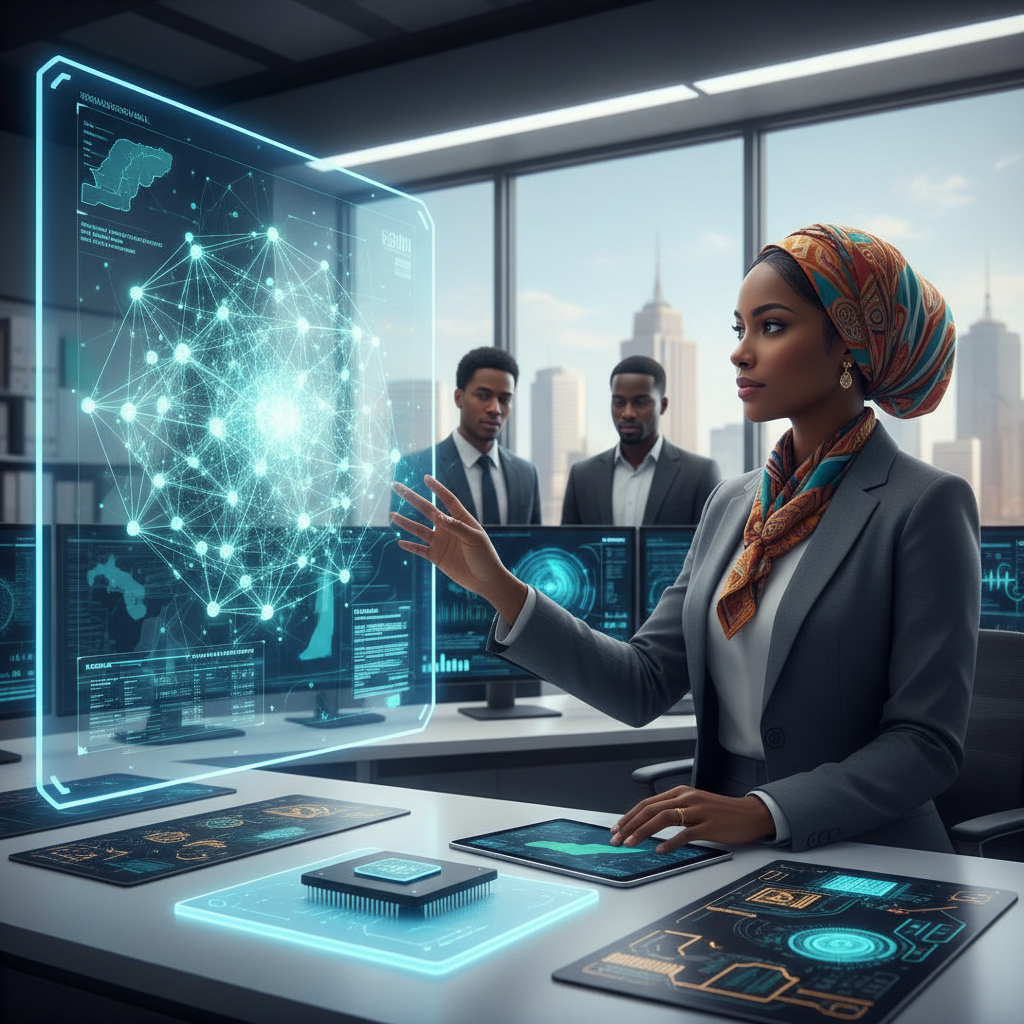
What does this mean for Côte d'Ivoire? It means we risk losing the very minds that could drive our own technological advancement. It means our local industries, from agriculture to finance, could struggle to adopt and adapt AI solutions tailored to our unique challenges. It means our vision of a digitally transformed Côte d'Ivoire, outlined in initiatives like the 'Côte d'Ivoire Digitale 2025' strategy, could be hampered by a scarcity of homegrown expertise.
However, it's not all bleak. There are efforts underway to counter this trend. The Ivorian government, in partnership with institutions like the African Development Bank, is investing in digital infrastructure and promoting Stem education. Initiatives to establish local innovation hubs and provide seed funding for startups are gaining traction. The hope is to create an environment where young innovators feel empowered and supported to build their dreams right here at home. Organizations like the Agence Nationale du Service Universel des Télécommunications (ansut) are working to expand internet access and digital literacy across the country, laying foundational groundwork.
Mr. Jean-Luc Koffi, Director of Digital Economy at the Ministry of Digital Transition, told me with conviction, "We understand the challenge. It is not enough to educate our youth; we must create the opportunities for them to thrive here. We are working on policies to incentivize local AI development, attract foreign investment into our tech sector, and foster a culture of innovation. We need to make Côte d'Ivoire a place where AI talent doesn't just originate, but flourishes." He believes that by focusing on specific national needs, such as AI for sustainable agriculture or smart city solutions for Abidjan, we can create unique niches that attract and retain talent.
Yet, the competition is fierce. The global AI landscape is evolving at a breathtaking pace, and staying competitive requires constant adaptation and significant investment. The question remains: can Côte d'Ivoire build an AI ecosystem robust enough to compete with the established giants, or at least offer a compelling alternative that encourages our brightest minds to stay and build our future? The answer lies not just in government policies or financial incentives, but in fostering a deep sense of belonging and purpose, showing our young innovators that their contributions here, on our soil, can have a profound and lasting impact. The future of our digital sovereignty, and indeed our economic prosperity, may very well depend on it. For a broader perspective on how AI impacts society and culture globally, Wired often publishes insightful articles.