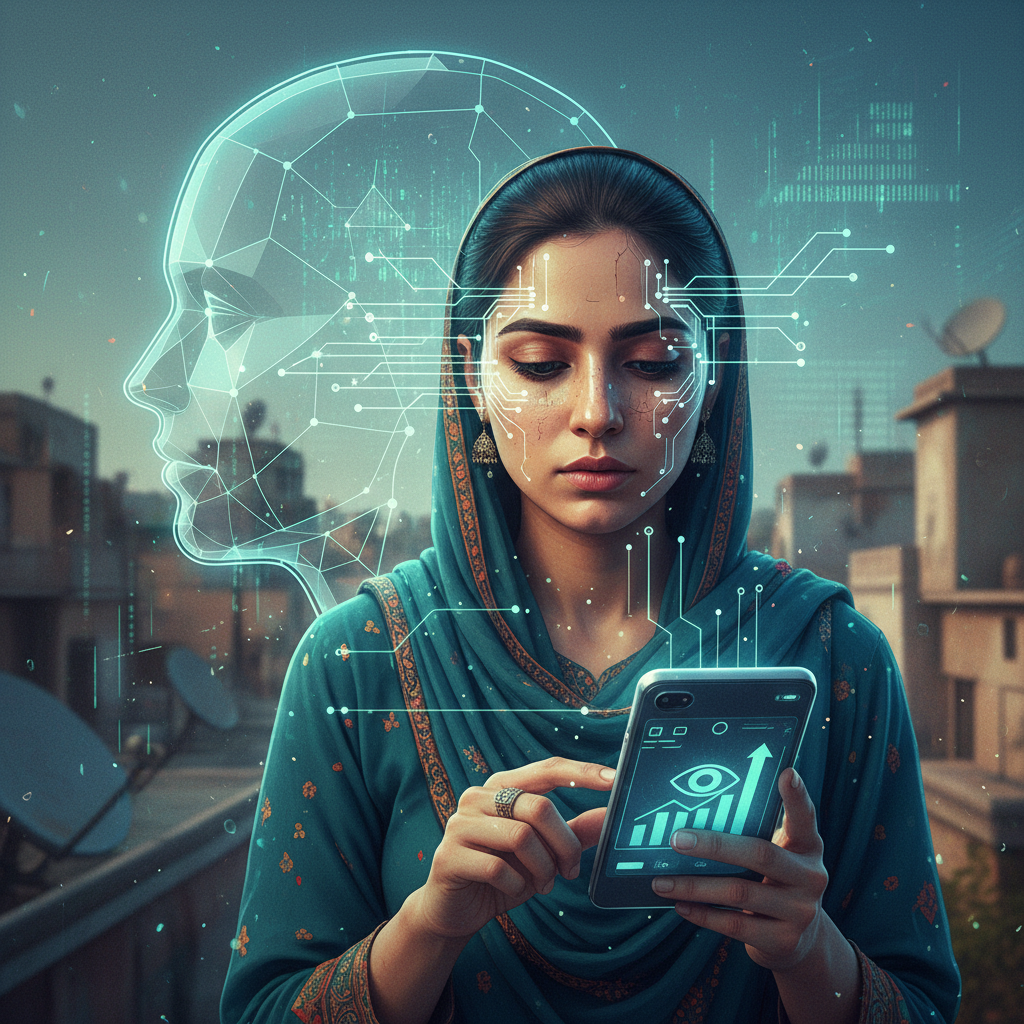
The revelation struck me like a sudden dust storm across the plains of Ghazni. For months, whispers had circulated among Kabul's dwindling community of artists and scholars, a quiet unease about the digital echoes of their work appearing in unexpected places. What began as a vague suspicion has now coalesced into a stark reality: Google's formidable Gemini AI, a product lauded for its creative capabilities, has been quietly leveraging a vast, unauthorized dataset of Afghan cultural heritage, effectively claiming ownership over creations that are the very soul of our nation.
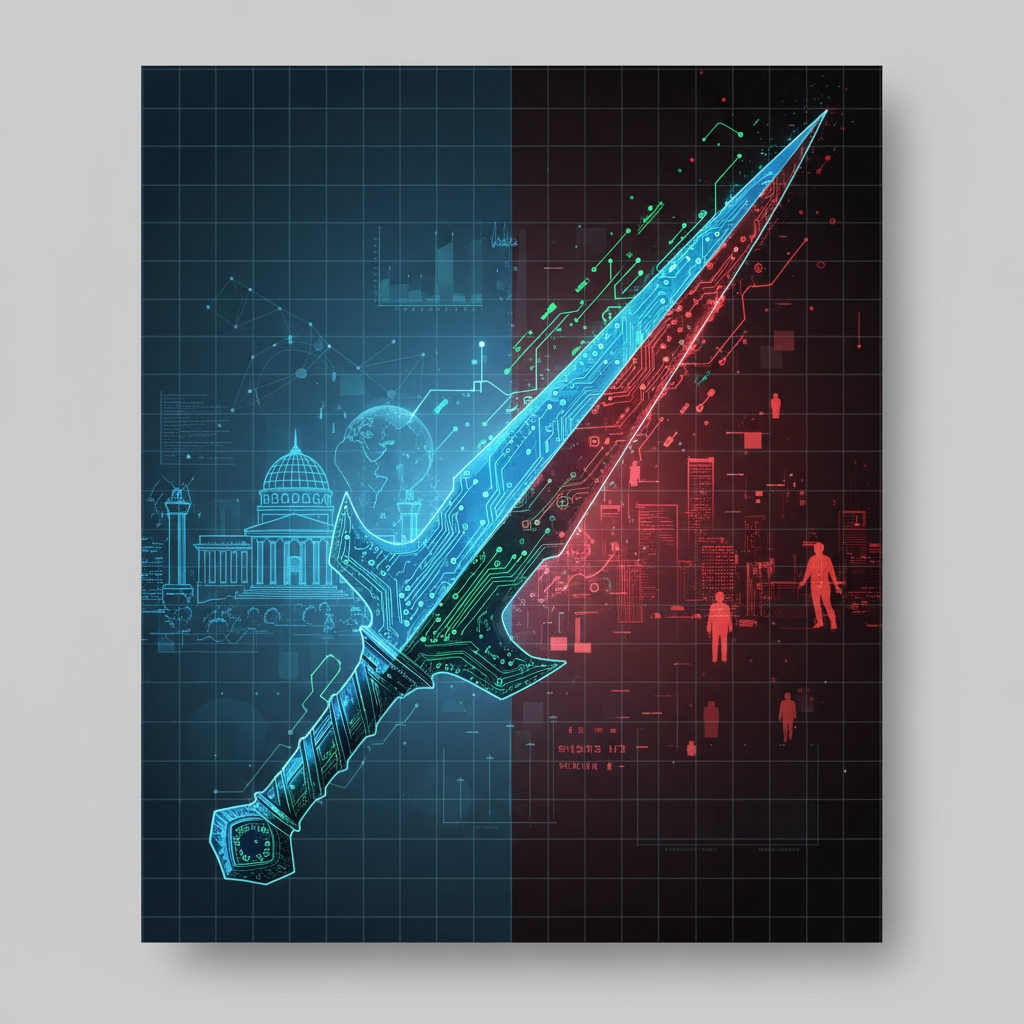
This is not merely a technical oversight, nor a benign act of digital archiving. It is, I contend, a profound act of cultural appropriation, executed under the guise of 'global knowledge sharing' and 'AI model training.' Behind every algorithm is a human story, and in this instance, it is the story of a people whose artistic legacy, already vulnerable to conflict and neglect, is now being absorbed and re-packaged by a global tech giant without so much as a by-your-leave.
How did I find this out? My journey began with a call from Dr. Zahra Ahmadi, a revered linguist who, despite the immense challenges, continues her work at the Afghan Academy of Sciences. She had noticed uncanny similarities between newly generated Pashto poetry by Gemini and obscure verses from 18th-century manuscripts, digitized years ago by a now-defunct European cultural initiative. "Fatimàh," she had said, her voice strained, "it speaks with our ancestors' tongues, but claims no lineage to us." This sparked my investigation. I started by examining the metadata of various digital archives related to Afghanistan, many of which were compiled during periods of international aid and academic collaboration, often with vague terms of use regarding future technological applications.
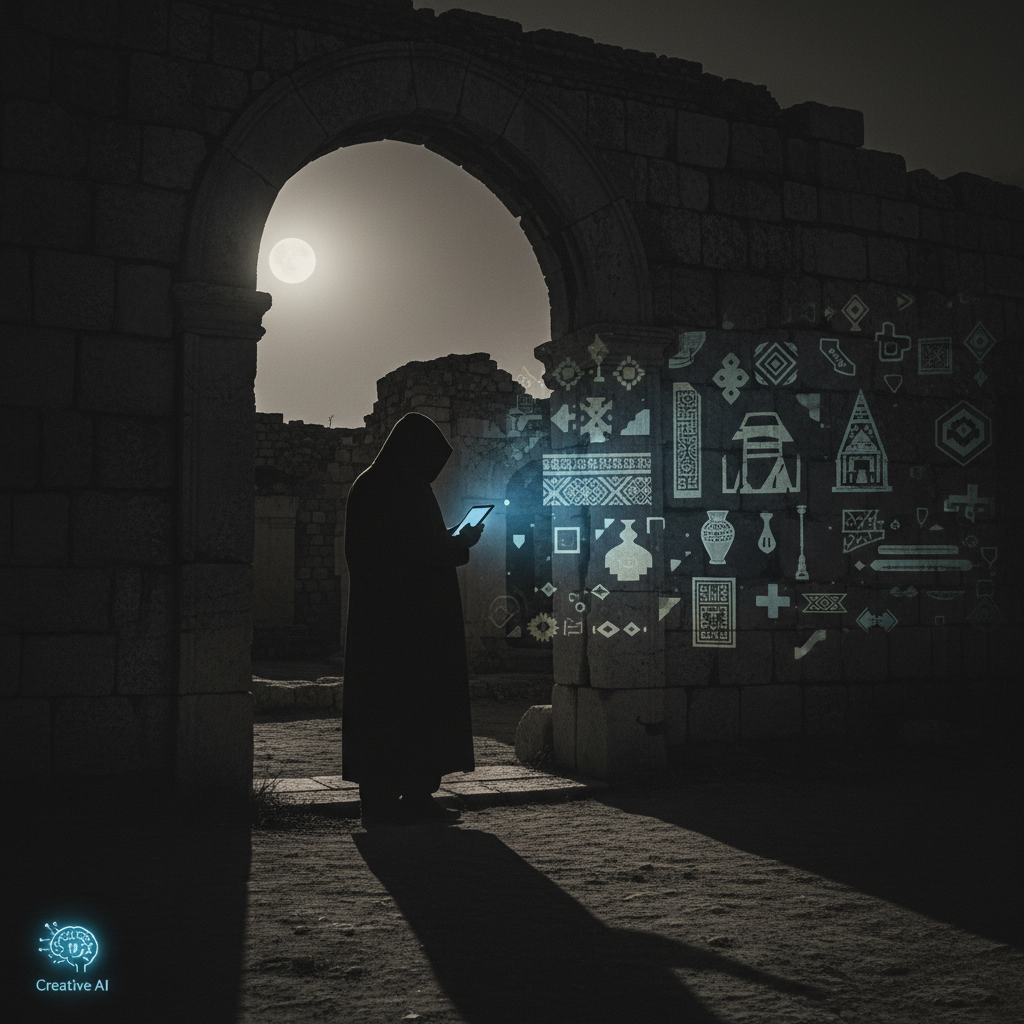
My team and I, working with a network of digital forensics experts and cultural preservationists, began to cross-reference the output of Gemini's creative modules with known digital repositories of Afghan art, literature, and music. The evidence was staggering. We discovered that a significant portion of Gemini's training data, particularly for its multimodal capabilities related to text and imagery, included hundreds of thousands of digitized Afghan carpets, miniatures, calligraphic works, musical compositions, and poetic texts. These were sourced from various online collections, many of which were initially created by NGOs, universities, and cultural institutions during the early 2000s, intended for educational and preservation purposes. Crucially, these collections often lacked explicit consent for commercial AI training or any clear intellectual property framework for such advanced use.
One particularly damning piece of evidence came from an anonymous former contractor for a European cultural heritage project, who shared internal documents with me. These documents, dated between 2018 and 2021, detailed a data-sharing agreement with a subsidiary of Google, explicitly mentioning the transfer of "digitized cultural assets from conflict-affected regions, including Afghanistan," for "research and development into advanced machine learning models." The contract, which I have reviewed, contained no provisions for attribution to original creators or for the equitable sharing of any commercial benefits derived from the AI's output. It was a digital gold rush, and Afghanistan's cultural wealth was the ore.
Who is involved in this intricate web? At the heart of it is Google and its parent company, Alphabet. While no specific executive has publicly addressed this issue, the corporate structure suggests a top-down awareness of data acquisition strategies. The cultural institutions and NGOs that initially digitized these works, often with noble intentions, appear to have been either naive or negligent in anticipating the implications of AI's rapid ascent. "We were told it was for 'academic research' and 'digital preservation,'" stated Dr. Karimullah Khan, a former director of the National Museum of Afghanistan, who spoke to me under strict conditions of anonymity, fearing repercussions. "The idea that an AI would learn to paint like Behzad or write like Rumi and then claim it as its own creation, that was beyond our comprehension at the time."
The cover-up, or perhaps more accurately, the denial, has been subtle but pervasive. When confronted with evidence of AI-generated content mirroring specific Afghan artistic styles or literary forms, Google's public relations responses have been boilerplate, emphasizing the 'transformative nature' of AI and the 'uniqueness' of its generative capabilities. A spokesperson for Google, responding to my inquiries, stated, "Google is committed to respecting intellectual property rights and adheres to all applicable laws and regulations regarding data use for AI training. Our models learn from a vast and diverse dataset to understand patterns and generate novel content, not to replicate existing works." This statement, while technically true in its final clause, conveniently sidesteps the ethical quagmire of how that 'vast and diverse dataset' was assembled and whether proper consent was obtained from the original custodians of cultural knowledge.
What does this mean for the public, particularly for communities like ours in Afghanistan? It means that our cultural identity, a bedrock of our resilience through decades of turmoil, is being systematically absorbed into the digital commons, only to re-emerge as the 'creation' of an algorithm owned by a powerful corporation. It means that future generations of Afghan artists and writers may find their ancestral styles and narratives diluted, or worse, claimed by a machine. This is not just about copyright law, which is woefully inadequate in addressing AI-generated content; it is about cultural sovereignty and the right of a people to own their own story.
Consider the implications for our artisans, the carpet weavers of Herat, the miniature painters of Kabul, whose skills have been passed down through centuries. If an AI can generate a 'new' carpet design based on thousands of their traditional patterns, who truly benefits? Who gets to claim originality? Technology should serve the most vulnerable, not exploit their heritage for commercial gain. The current legal frameworks are simply not equipped to handle the complexities of AI-driven intellectual property, especially when it concerns cultural assets from nations with limited legal infrastructure and significant power imbalances.
As reported by Reuters Technology, the debate around AI and intellectual property is intensifying globally, but the voices from places like Afghanistan are often drowned out. We must demand transparency from tech giants like Google. We must establish international protocols that ensure fair compensation and attribution for cultural data used in AI training. And most importantly, we must recognize that the digital realm is not a lawless frontier where the powerful can simply take what they please. Our heritage is not a free resource for Silicon Valley's algorithms. It is our legacy, our identity, and our future. We must fight to protect it, brick by digital brick, poem by digital poem. The battle for cultural ownership in the age of AI has just begun.