
The morning light in Tashkent always brings a special kind of energy, a promise of new beginnings. As a journalist for DataGlobal Hub, I often find myself searching for the human stories behind the grand narratives of technology, especially here in Central Asia, a region so often overlooked by the global tech conversation. This time, my focus was on the gig economy, a phenomenon that has swept across our cities, offering both opportunity and uncertainty. How do algorithms, those unseen architects of our digital age, truly impact the lives of the people who rely on these platforms for their daily bread, from a courier in Samarkand to a data annotator in Fergana?
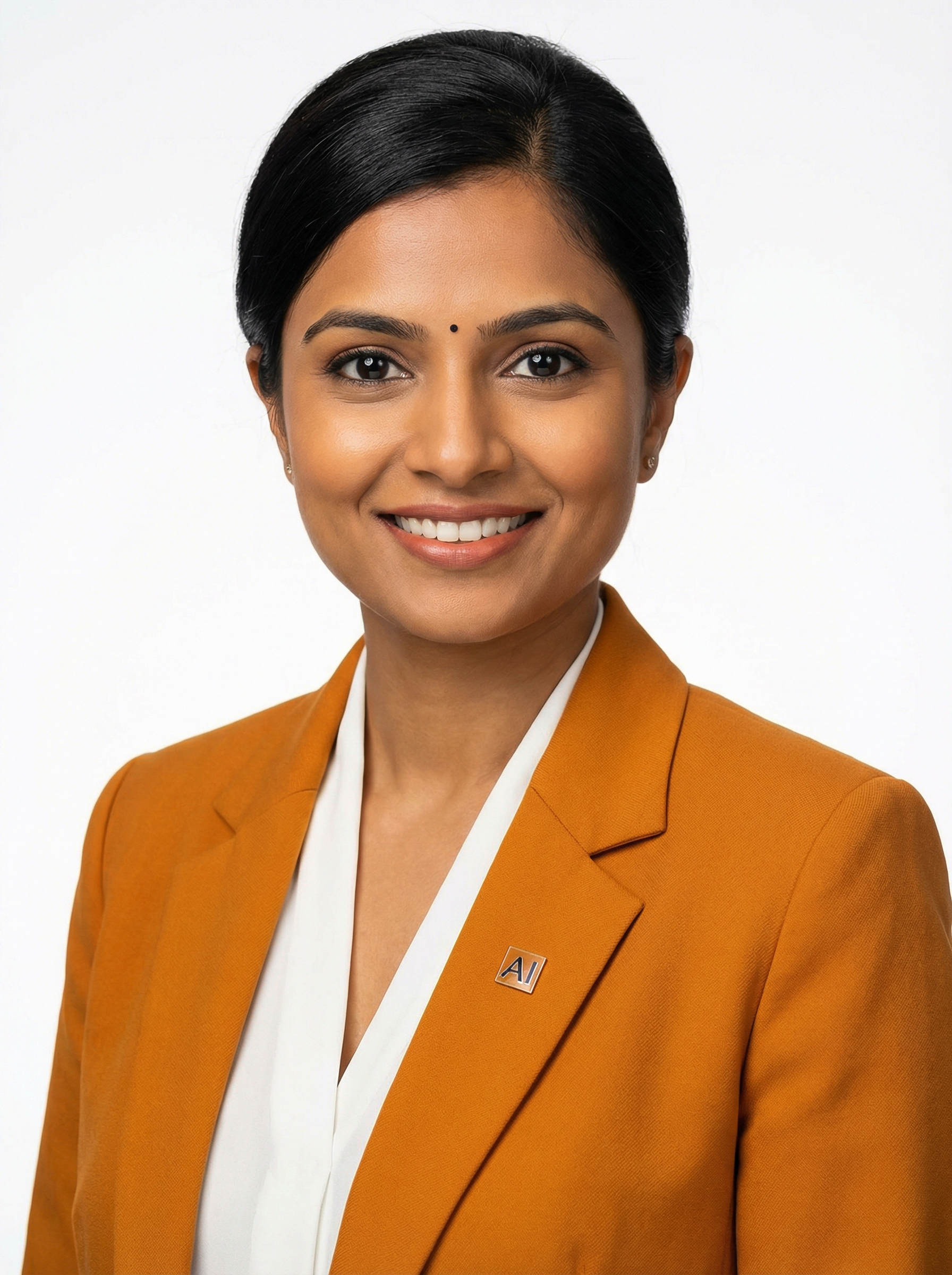
To understand this complex landscape, I turned to Dr. Payal Arora, a digital anthropologist whose work has deeply explored the intersection of technology, poverty, and global development. Dr. Arora, a professor at Erasmus University Rotterdam and author of several influential books, has a unique perspective, having conducted extensive fieldwork in various developing economies, including India, a country whose gig economy mirrors many of the challenges and opportunities we see emerging across Asia. Her insights are not just academic; they are rooted in the lived experiences of people navigating this new digital frontier.
“We often talk about AI and algorithms as neutral tools, but they are anything but,” Dr. Arora once stated in a public lecture. “They embody the values, biases, and priorities of their creators, and when applied to labor, they can exert immense control, often invisibly.” This statement resonated deeply with me. In a small office in Tashkent, I have seen firsthand how young people, eager for work, sign up for ride-hailing apps or delivery services, believing in the promise of flexibility and independence. Yet, the reality can be quite different.
Dr. Arora emphasizes that for many gig workers in emerging economies, the platforms are not just a source of income; they are often the only viable option. “For a migrant worker in Mumbai, or a young mother in Jakarta, these platforms offer a lifeline that traditional employment often cannot,” she explained in an interview with Reuters. “But this dependence also creates a power imbalance, where the algorithm becomes the ultimate boss, dictating tasks, rates, and even worker behavior.”
Think of the rating systems, for example. A customer’s low rating, sometimes based on factors entirely outside the worker’s control, can lead to reduced opportunities, lower pay, or even deactivation from the platform. This algorithmic control creates a constant pressure, a digital sword of Damocles hanging over every transaction. It is a system designed for efficiency, yes, but often at the expense of worker autonomy and well-being. The human element, the fatigue of long hours, the unexpected traffic, the family emergency, these are not easily quantifiable by an algorithm, yet they are the very fabric of a worker’s life.
Dr. Arora has consistently highlighted the “datafication of labor” where every action, every pause, every route taken by a gig worker is tracked, analyzed, and used to optimize the platform’s operations. While this can lead to better service for consumers, it also means workers are under constant surveillance. “The algorithm doesn’t just assign tasks; it learns from every interaction, every movement, and uses that data to predict, influence, and ultimately control worker behavior,” she noted in a discussion featured on MIT Technology Review. This level of granular control, she argues, can erode the very sense of agency that these platforms initially promise. It transforms the worker from an independent contractor into a cog in a highly optimized, algorithmic machine.
The implications for worker rights are profound. Without a traditional employer-employee relationship, gig workers often lack access to basic protections like minimum wage, health benefits, or collective bargaining. When an algorithm decides your next job, or even if you get a next job, who do you appeal to? This question is particularly pertinent in countries like Uzbekistan, where labor protections are still evolving in the face of rapid digital transformation. Our government and labor unions are grappling with how to classify these workers and ensure fair treatment, a challenge that requires innovative thinking and a deep understanding of algorithmic mechanisms.
Dr. Arora also cautions against the assumption that technology automatically leads to empowerment. “Access to a smartphone and an app does not automatically translate to upward mobility or economic justice,” she stated. “We need to look beyond the shiny surface of innovation and examine the underlying power structures that these technologies reinforce or create.” Her work urges us to consider who truly benefits from the efficiencies of the gig economy and at what cost. Are we creating a new class of precarious workers, digitally tethered to platforms that prioritize profit over people?
Her vision for the future is not one of technological rejection, but of thoughtful integration and regulation. She advocates for what she calls “inclusive innovation,” where technology is designed with the well-being of all stakeholders, especially the most vulnerable, in mind. This means pushing for greater transparency in algorithmic decision-making, ensuring avenues for worker redress, and exploring models that offer a better balance between flexibility and security. Some initiatives, like worker cooperatives using platform models, or government-backed social safety nets for gig workers, are emerging as potential pathways forward.
As I reflect on Dr. Arora’s insights, I think of the young people I meet here in Tashkent, full of hope and ambition. They are Central Asia’s best-kept secret, a generation ready to embrace the digital future. We must ensure that this future is built on principles of fairness and dignity, not just efficiency. The algorithms that power our gig economy should serve humanity, not control it. The conversation Dr. Arora sparks is not just for academics or policymakers; it is for all of us, as consumers, as citizens, and as fellow humans, to consider the invisible hand shaping our world. We must ask ourselves: what kind of digital society do we truly want to build, for ourselves and for future generations?
Her work reminds us that technology is a mirror, reflecting our societal values. If we want a more equitable world, we must demand that our algorithms reflect that aspiration. The challenge is immense, but the opportunity to shape a more human-centered digital economy is even greater. The future of work, particularly in dynamic regions like ours, depends on it.