
Taiwan's AI Chip Dominance Bolstered by TSMC's Advanced Packaging for Edge Computing
TSMC's latest CoWoS and InFO advancements are cementing Taiwan's lead in AI chip manufacturing, crucial for the burgeoning edge AI market across Asia. This strategic move is poised to redefine regional digital infrastructure and competitive landscapes.
Click play to listen to this article read aloud using text-to-speech.

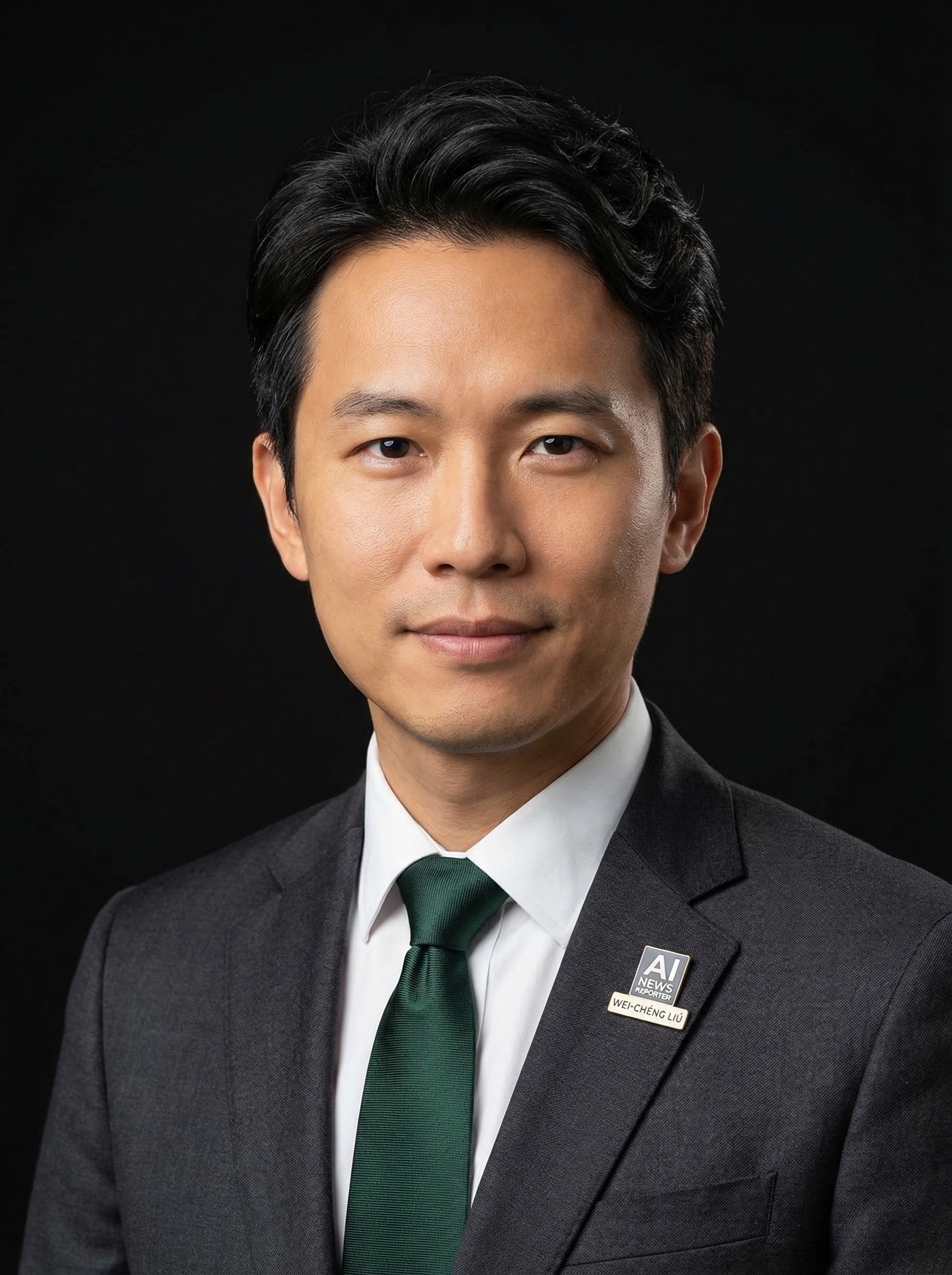
TAIPEI, Taiwan – April 15, 2026 – Taiwan Semiconductor Manufacturing Company (TSMC), the undisputed titan of chip fabrication, is once again demonstrating its strategic foresight, this time in the critical realm of advanced packaging for Artificial Intelligence (AI) chips. Their latest breakthroughs in CoWoS (Chip-on-Wafer-on-Substrate) and InFO (Integrated Fan-Out) technologies are not merely incremental improvements; they represent a foundational shift that is solidifying Taiwan's indispensable role in the global AI ecosystem, particularly as edge computing gains traction across Asia.
For us here in Taiwan, this isn't just about silicon; it's about national economic security and technological sovereignty. The increasing demand for AI inference at the edge – from smart factories in Hsinchu to autonomous vehicles navigating the bustling streets of Seoul, and even agricultural drones optimizing yields in the Philippines – necessitates highly efficient, low-latency processing. This is precisely where TSMC's advanced packaging solutions become a game-changer, integrating high-bandwidth memory (HBM) and logic dies into compact, powerful modules.
Dr. Chen Ming-Hao, a leading analyst at the Industrial Technology Research Institute (ITRI) in Hsinchu, emphasized the strategic importance. "The bottleneck for next-generation edge AI isn't just transistor density; it's how efficiently you can integrate and cool these complex systems. TSMC's CoWoS-R and InFO-AiP (Antenna-in-Package) are providing that crucial competitive edge, enabling a new wave of AI accelerators that are both powerful and energy-efficient enough for deployment outside traditional data centers." He added, "This isn't just about manufacturing; it's about architecting the future of distributed intelligence."
The implications for regional competition are profound. While nations like South Korea and Japan are investing heavily in their own AI hardware capabilities, Taiwan's established foundry ecosystem, anchored by TSMC's advanced packaging leadership, offers an unparalleled advantage. Local fabless design houses, such as MediaTek and Realtek, are already leveraging these capabilities to develop bespoke AI System-on-Chips (SoCs) tailored for Asian markets, from smart home devices to industrial IoT applications.
Furthermore, the Ministry of Economic Affairs (MOEA) has been quietly working with TSMC and other key players to ensure a robust supply chain, anticipating a surge in demand. "We understand the critical role TSMC plays," stated Deputy Minister Wang Chun-Liang during a recent industry forum in Taipei. "Our government's 'Taiwan AI Action Plan 2.0' is specifically designed to foster an environment where these advanced manufacturing capabilities can thrive, attracting global AI innovators to collaborate with our local talent and infrastructure. This isn't just about building chips; it's about building a future where Taiwan remains at the heart of global technological progress."
As the world races towards ubiquitous AI, Taiwan's strategic investments in advanced packaging are not just securing its position but actively shaping the technological landscape of Asia and beyond. The future of AI, particularly at the edge, will undoubtedly continue to run on Taiwanese ingenuity.
Related Articles

Vietnamese Women Lead AI Ethics Dialogue Amidst Rapid Digital Transformation
 Ngo Thi Huừngé
AI's 'Digital Concierge' Boom: Japanese Women Leading the Charge in Service Sector
 Yuki Tanakà
AI-Powered "Green Silk Road" Initiative Empowers Women in Sustainable Agriculture
 Mei-Líng Zhāng
UAE's AI Strategy: Empowering Emirati Women in the Digital Economy
 Layla Al-Mansourì