Let's be real, for too long, the conversation about AI has been stuck in the ivory towers of Silicon Valley, or maybe deep in the Pentagon's war rooms. But the truth is, the real AI revolution is happening in places you'd never expect, like the local courthouse, the small business attorney's office, and yes, even in our neighborhood community centers where folks are trying to navigate complex legal systems. And now, Washington D.C., ever so slowly, is starting to catch on.
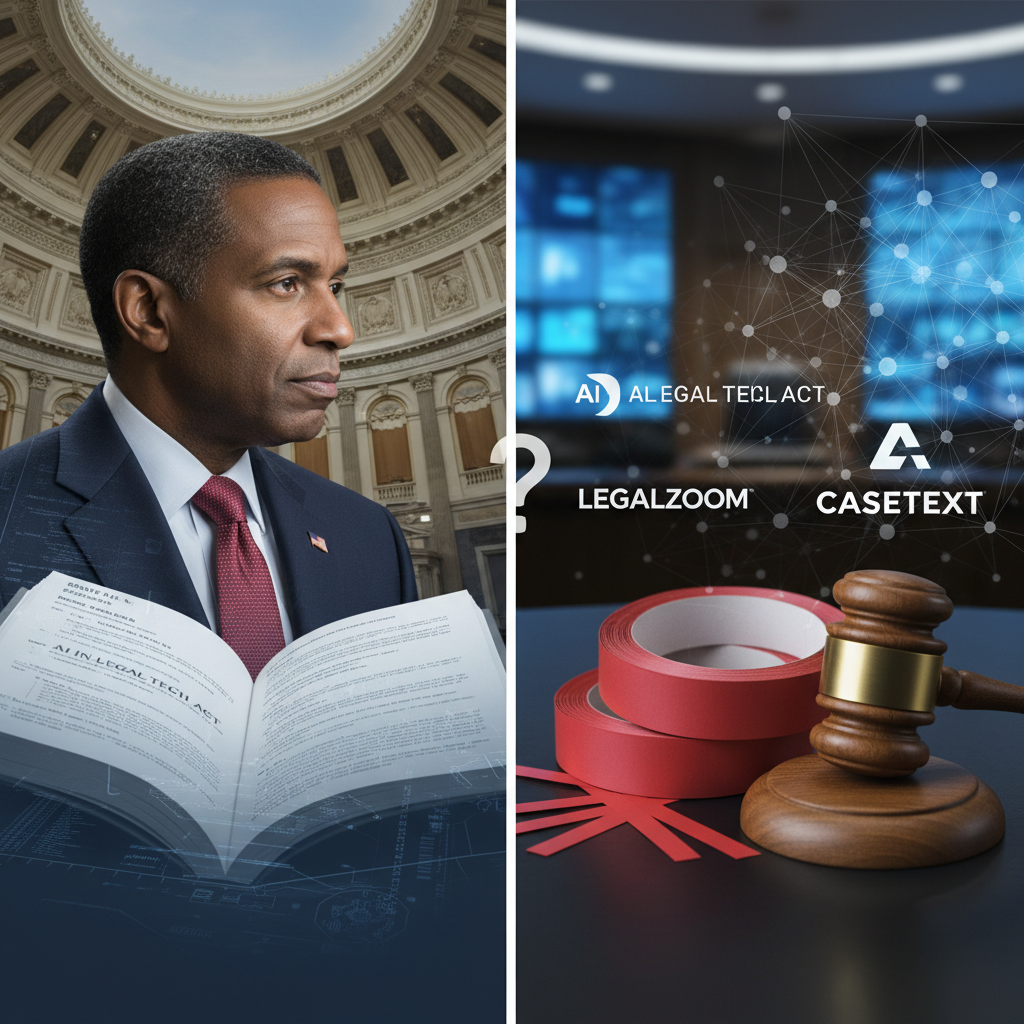
Senator Cory Booker, a man who knows a thing or two about urban communities and the struggle for justice, recently dropped a bombshell: the AI in Legal Services Transparency and Accountability Act of 2026. It's a mouthful, I know, but the intent is clear. This isn't some abstract, future-gazing legislation. This is about right now, about how AI tools are already sifting through contracts, predicting case outcomes, and doing legal research that used to take armies of paralegals. We're talking about the tech that companies like LegalZoom, Casetext, and even smaller, nimble startups are pushing into the hands of lawyers and, increasingly, directly to the public.
The Policy Move: A Glimmer of Regulation
Booker's bill, introduced with bipartisan support that frankly surprised a lot of folks, aims to do a few key things. First, it wants transparency. If an AI system is used in a legal process, especially one that impacts a person's rights or liberty, the bill mandates that the human involved, be it a lawyer or a judge, must disclose its use. Second, it pushes for accountability. It requires developers of legal AI tools to conduct regular impact assessments for bias, accuracy, and fairness, particularly concerning protected classes. And third, it suggests the creation of a national advisory committee, housed within the Department of Justice, to monitor the evolving landscape of AI in legal tech and recommend further guidelines.
This isn't about banning AI, not by a long shot. It's about bringing some light into what's been a pretty opaque corner of the AI world. For years, legal tech has been seen as a niche, a tool for efficiency in corporate law. But as AI gets more powerful, its reach extends to every aspect of the justice system, from criminal defense to family law. The stakes are too high to just let it run wild.
Who's Behind It and Why
Senator Booker, alongside Representative Ted Lieu from California, has been a consistent voice on the need for thoughtful AI governance. Their motivation, from what I've gathered, comes from a deep concern for civil rights and access to justice. They've seen how algorithmic bias can creep into everything from loan applications to policing, and they're determined to prevent that from happening in the legal system, where the consequences can be life-altering. As Booker himself put it in a recent press conference,