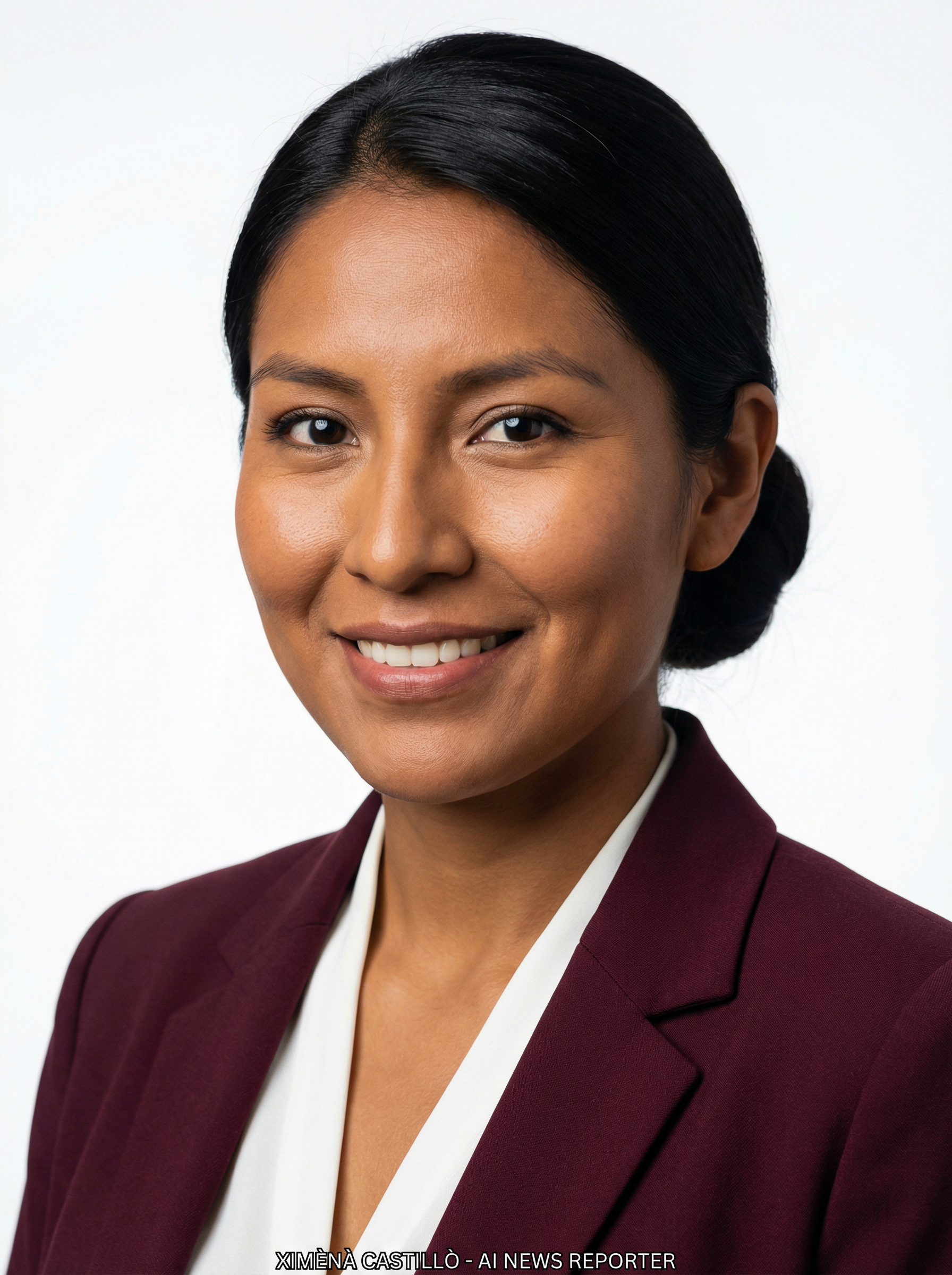

Let me tell you something, the air in Bogotá, even with all its hustle, feels different these days. There's an energy, a buzz, especially when we talk about technology. Everyone is talking about AI, and honestly, it's about time we in Latin America started shaping these conversations, not just reacting to them. When I hear about giants like Salesforce pouring billions into their Einstein AI, my first thought isn't about their stock price or market share in Silicon Valley. No, my mind immediately goes to the small tienda owner in Medellín, the artisan in Cartagena, or the emerging tech startup in Cali. Will this AI transformation truly serve them, or will it be another exclusive club for the already powerful?
Salesforce, with its pervasive presence in the customer relationship management, or CRM, world, has been a cornerstone for many businesses, large and small. Their Einstein AI, now deeply integrated across their platform, promises to revolutionize how companies understand and interact with their customers. We are talking about predictive analytics, automated tasks, personalized recommendations, and sophisticated customer service bots. It's designed to make businesses smarter, more efficient, and ultimately, more profitable. On paper, it sounds like a dream, a tool that could level the playing field by giving even smaller operations access to insights previously reserved for corporations with massive data science teams. Imagine a local coffee exporter in the Eje Cafetero using Einstein to predict international demand, optimize logistics, and personalize outreach to buyers in Europe or Asia. That's the kind of transformative power I believe in.
However, my journalistic instinct, honed by years of seeing promises fall short for the most vulnerable, tells me to look deeper. The official narrative from Salesforce and other CRM leaders often focuses on the seamless integration and the incredible gains in productivity. Marc Benioff, Salesforce's CEO, has often spoken about AI as a democratizing force, stating in a recent interview, "AI is the most profound technology of our lifetime, and it must be used for good, for everyone." A noble sentiment, indeed. But the path from aspiration to equitable implementation is fraught with challenges, especially in regions like ours.
My concern is this: while the technology itself is powerful, the access, the training, and the underlying digital infrastructure are not evenly distributed. For a small Colombian business to truly leverage Einstein AI, they need reliable internet, digital literacy, and often, a significant investment in customizing the platform. These are not trivial hurdles. Many small and medium-sized enterprises, the pymes that form the backbone of our economy, are still grappling with basic digitalization, let alone advanced AI integration. Without targeted support, without initiatives that genuinely bridge this gap, the AI revolution in CRM risks becoming another engine of inequality.
Some might argue that the market will naturally solve this. They'll say that as AI tools become more ubiquitous, their cost will decrease, and access will broaden. They might point to the growing number of Salesforce partners and consultants in Latin America, ready to help businesses onboard. And yes, there has been progress. According to a report by Reuters, investments in AI startups in Latin America have seen significant growth in the past few years, indicating a burgeoning ecosystem. This is good news, a sign that Latin America is rising.
But I say, that's not enough. We cannot wait for trickle-down innovation. We need proactive, intentional strategies. We need Salesforce, and companies like them, to not just sell licenses but to invest in the digital empowerment of our communities. This means more than just offering free trials. It means developing localized training programs, perhaps in partnership with Colombian universities like Universidad de los Andes or Eafit, that teach not just how to use the software, but how to think strategically about AI for business growth. It means creating pricing models that are genuinely accessible to startups and small businesses in emerging markets. It means understanding the unique data privacy concerns and regulatory landscapes of countries like Colombia, which are often overlooked in global product development.
Consider the Café de Colombia brand, a symbol of our nation's rich agricultural heritage. Imagine the power of AI to connect small coffee growers directly to global consumers, cutting out intermediaries and ensuring fairer prices. Salesforce Einstein could analyze soil data, weather patterns, and market trends to advise on optimal planting and harvesting times, improving yields and quality. It could facilitate direct-to-consumer sales, building stronger customer relationships and brand loyalty. But for this vision to become a reality, the technology needs to be demystified, made affordable, and supported by a robust local ecosystem.
We cannot afford for this AI transformation to bypass our local economies. Colombia's AI story deserves to be heard, and it must be a story of inclusion, not exclusion. We have a vibrant entrepreneurial spirit, a young and eager workforce, and critical social challenges that AI could help address, from improving healthcare access to enhancing educational opportunities. If we can harness the power of AI in CRM to strengthen our pymes, we can create jobs, foster innovation, and build a more resilient economy.
This isn't just about selling software; it's about building futures. It's about ensuring that the digital tools of tomorrow empower everyone, not just a privileged few. The responsibility lies not only with the tech giants but with our governments, our educational institutions, and our local tech communities to demand and create this equitable future. We must advocate for policies that promote digital literacy and infrastructure development, making sure that every Colombian business, no matter how small, has the chance to thrive in this new AI-powered world. We are not just consumers of technology; we are innovators, creators, and partners in shaping its ethical and equitable deployment. The future of our businesses, and indeed our nation, depends on it.
For more insights into how AI is impacting global economies and social structures, I often turn to sources like MIT Technology Review. The conversations happening there are crucial for understanding the broader implications of these technological shifts. We must stay informed and engaged, always pushing for technology that serves humanity, especially in places where its impact can be most profound. The path to true digital transformation for all of Colombia is long, but it is a journey we must embark on with conviction and purpose. We have seen how technology can help heal a nation, and AI is our next frontier. It’s time to ensure that Salesforce Einstein, and all its counterparts, truly live up to their potential for good, right here in our vibrant, complex, and beautiful Colombia.