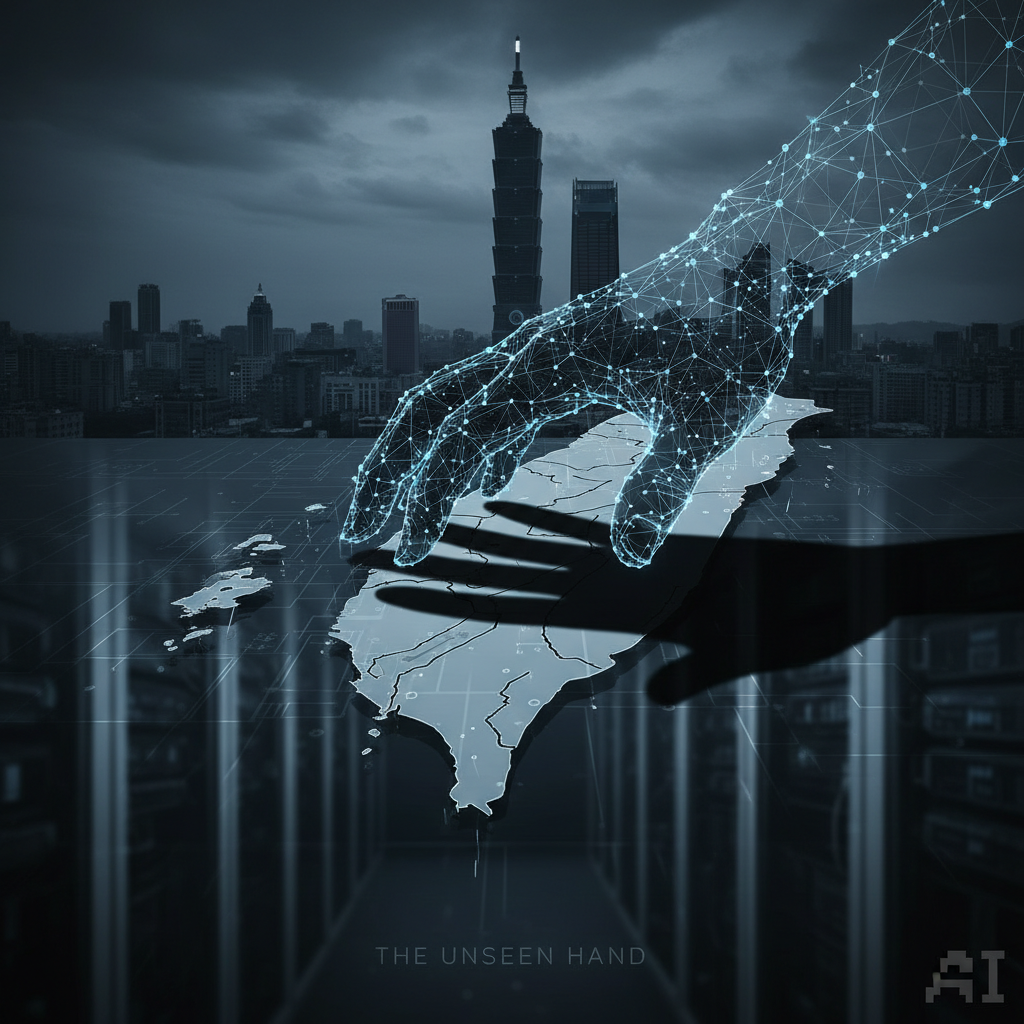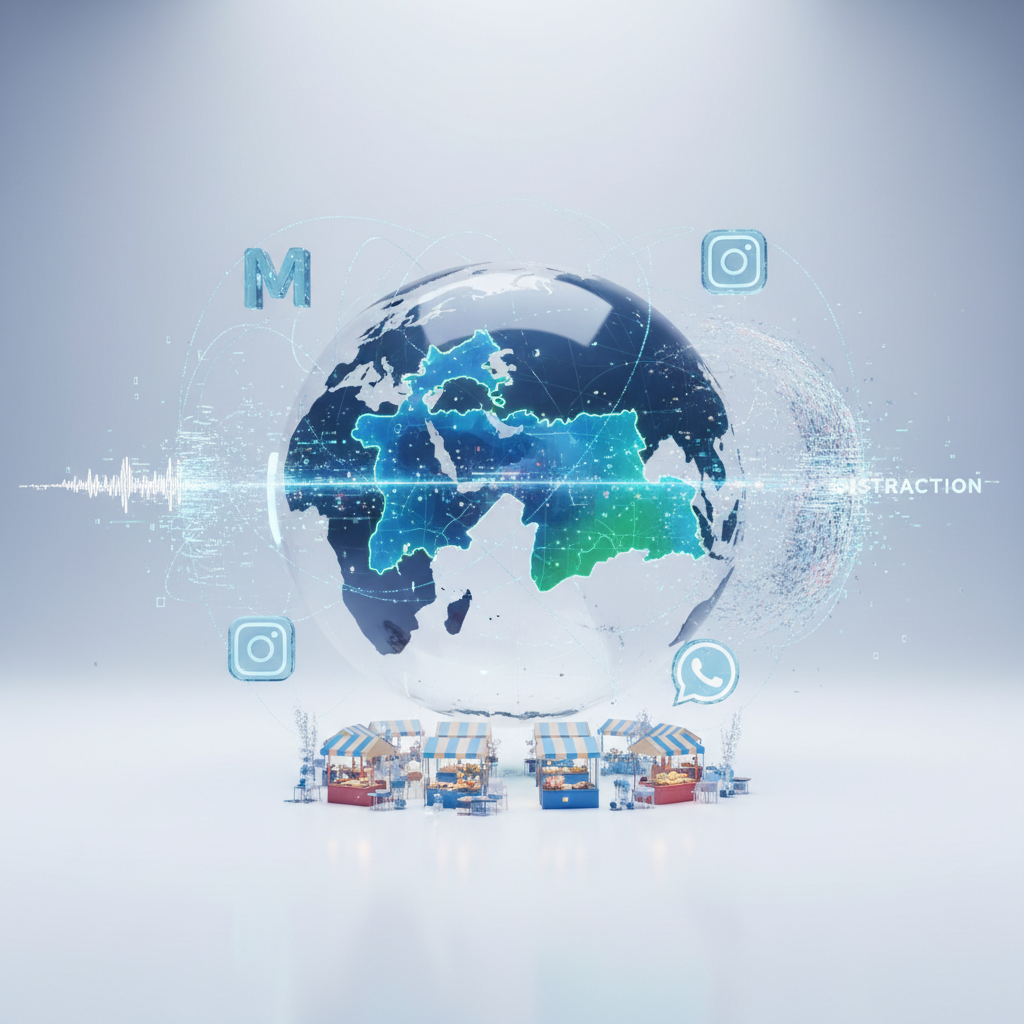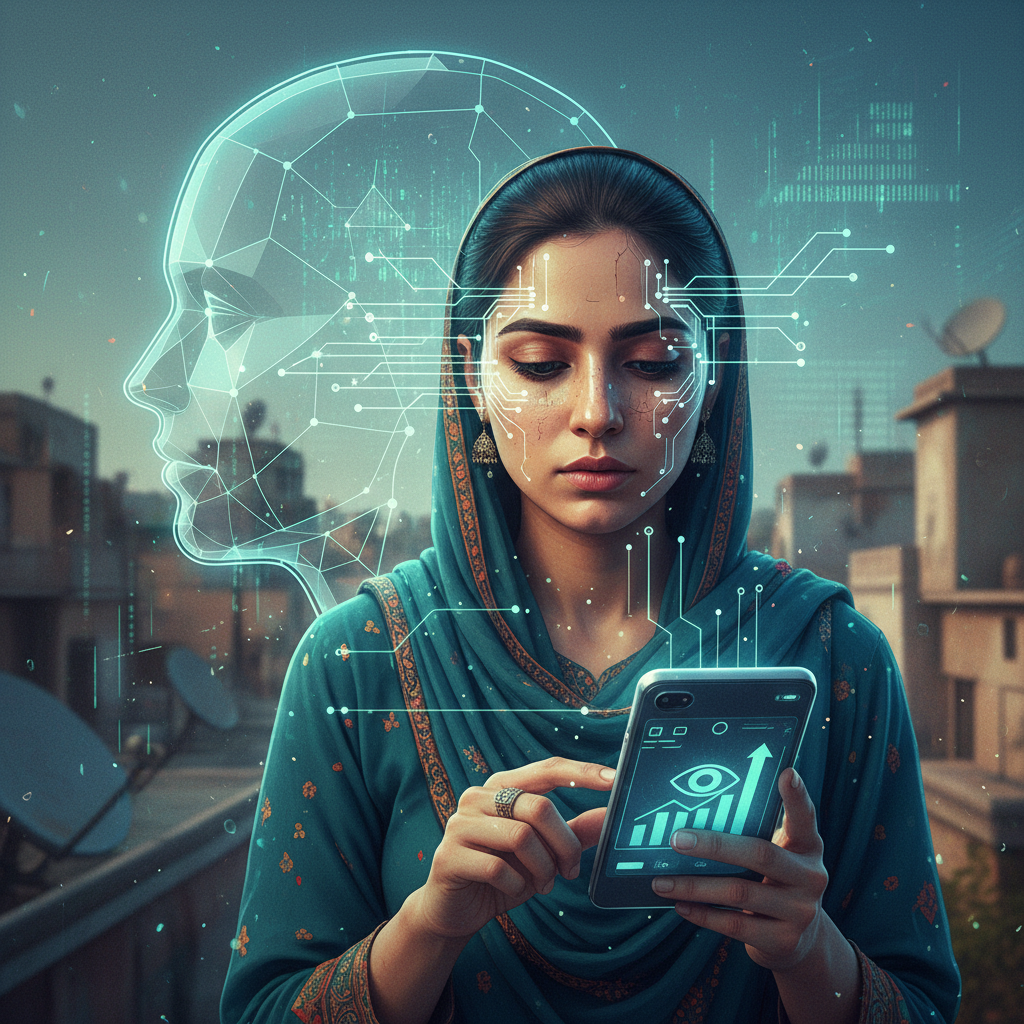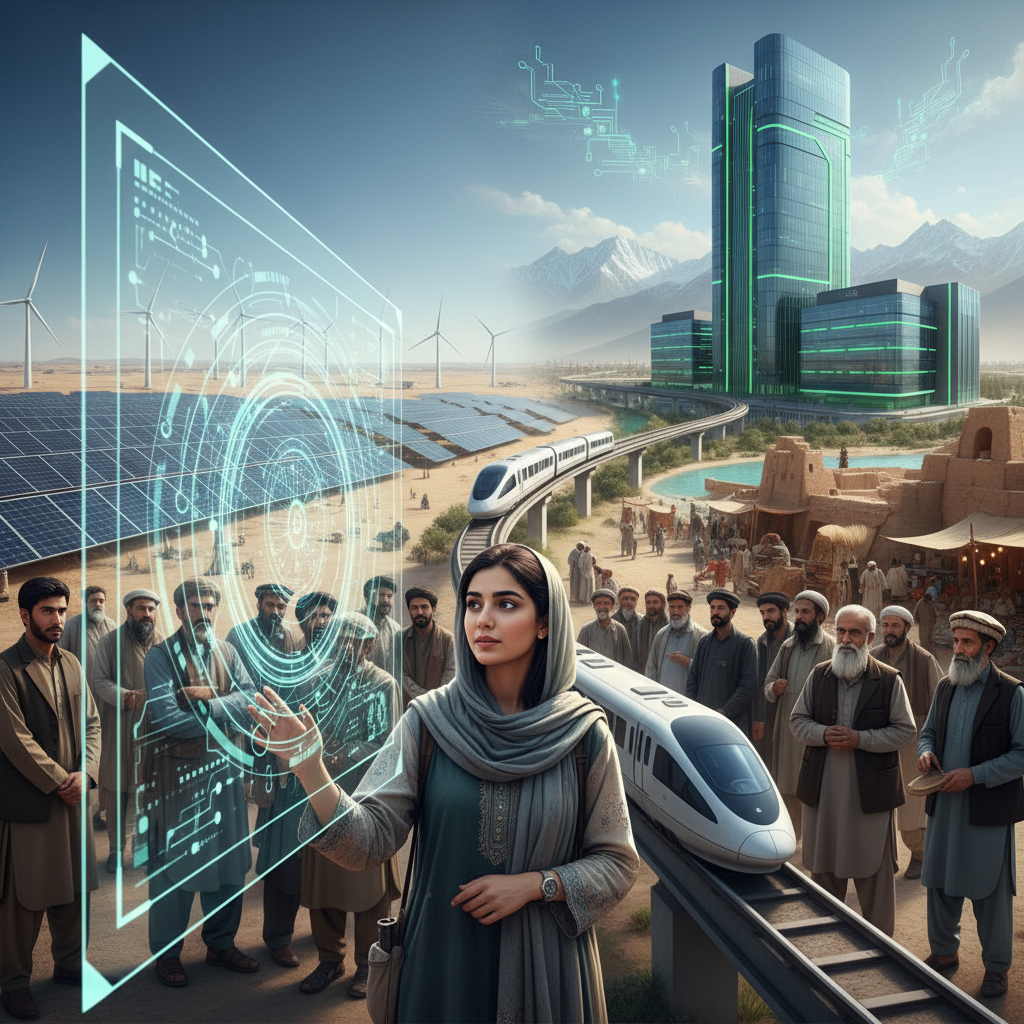
The world is watching a spectacle unfold, a high-stakes chess match between global superpowers vying for artificial intelligence supremacy. The United States, China, and the European Union are pouring billions into research, development, and infrastructure, all in a relentless pursuit of AI dominance. From where I sit in Pakistan, this 'AI arms race' feels less like a distant geopolitical game and more like a looming storm on our horizon. What happens when the giants clash, and where does a nation like ours, with its own unique challenges and immense potential, fit into this rapidly shifting landscape?
For too long, the narrative around AI has been dominated by Silicon Valley boardrooms and Beijing's tech hubs. We hear about OpenAI's latest GPT models, Google's Gemini, Meta's Llama, and the staggering compute power of NVIDIA's chips. These are undeniably groundbreaking innovations, pushing the boundaries of what machines can do. But while the West and East are focused on who can build the biggest, fastest, and most 'intelligent' models, I worry about the foundational questions of access, equity, and sovereignty for countries like Pakistan. This is a human rights issue disguised as a tech story, and we cannot afford to look away.
Consider the sheer scale of investment. The US government, through initiatives like the National AI Research Resource, is mobilizing significant federal funding, aiming to democratize access to AI research infrastructure. Meanwhile, China's 'New Generation Artificial Intelligence Development Plan' has set ambitious targets, intending to become the world leader in AI by 2030, backed by massive state and private sector investment. The European Union, with its focus on 'trustworthy AI,' is attempting to carve out a regulatory space, balancing innovation with ethical guidelines, and has allocated substantial funds through programs like Horizon Europe.
But what about us? What about the 240 million people of Pakistan, many of whom are still grappling with basic digital literacy, let alone the complexities of large language models? The chasm between the global north and south in AI capabilities is not just a technological gap, it is a developmental one. We are not just consumers of technology, we are a nation brimming with talent, with young minds eager to contribute. I have seen it firsthand, the spark in the eyes of students in Lahore and Karachi, the women in Pakistan who are coding the future in makeshift labs and bustling co-working spaces.
Our challenge is multifaceted. First, there is the infrastructure deficit. High-speed internet access remains a luxury in many parts of the country, and the cost of powerful computing resources, essential for AI development, is prohibitive. How can we train our own AI models, tailored to our languages, our cultural nuances, and our specific societal needs, when the very tools required are out of reach? This isn't just about building a Pakistani GPT, it is about building AI solutions for our agriculture, our healthcare, our education system, which often face unique challenges that global models, trained on Western data, simply cannot address effectively.
Second, there is the data dilemma. The global AI models are trained on vast datasets, predominantly from the English-speaking world. This creates inherent biases and limitations when applied to diverse linguistic and cultural contexts. We need to be able to collect, curate, and utilize our own data responsibly and ethically. This means investing in local data centers, ensuring data privacy, and developing local expertise in data science. Without our own data, our AI will always be a reflection of someone else's world, not our own.
Third, and perhaps most critically, is the human capital. While our youth are incredibly bright, access to advanced AI education is limited. Universities are slowly catching up, but the pace of global AI development is blistering. We need more specialized programs, more scholarships, and more opportunities for our brightest minds to engage with cutting-edge AI research. We also need to foster a culture of innovation that encourages local startups and research initiatives.
I recently spoke with Dr. Umar Saif, a prominent Pakistani computer scientist and former head of the Punjab Information Technology Board, who has long advocated for local tech development. He emphasized, "Pakistan must not merely be a recipient of AI technology, but an active participant in its creation. Our unique challenges demand unique, homegrown solutions, and that requires investment in our people and our infrastructure." His words resonate deeply. We cannot afford to be passive observers in this global race.
The implications of this AI arms race are profound. It is not just about economic competitiveness, it is about national security, cultural preservation, and the very fabric of our society. If we do not develop our own AI capabilities, we risk becoming perpetual clients, dependent on foreign powers for critical technologies that will shape our future. This dependency could extend to everything from defense systems to public services, eroding our sovereignty and limiting our ability to chart our own course.
Consider the recent discussions around sovereign AI initiatives in Europe, where nations are striving to build their own AI ecosystems to reduce reliance on US tech giants. France's Mistral AI, for example, has garnered significant investment and attention, aiming to provide an alternative to American models. This movement underscores the growing realization that AI is too strategically important to be left entirely to a few dominant players. According to Reuters, nations are increasingly viewing AI as a critical component of national security and economic independence.
Pakistan has made some strides. The National Centre for Artificial Intelligence (ncai) is a commendable effort, bringing together academia, industry, and government to foster AI research and development. Programs like the Prime Minister's Youth Program for Digital Skills are also crucial in building foundational capabilities. However, these efforts need to be scaled up dramatically and sustained with consistent political will and funding.
We need to forge strategic partnerships, not just with the dominant players, but also with other emerging nations facing similar challenges. There is immense potential for South-South cooperation in AI, sharing knowledge, resources, and best practices. We must also leverage our diaspora, the brilliant Pakistani minds working at the forefront of AI research globally, to contribute back to their homeland.
This is not an easy path. The resources required are immense, and the competition is fierce. But the alternative, of being left behind, is far more perilous. We must advocate for policies that prioritize digital inclusion, invest in robust digital infrastructure, and nurture our local talent. We need to create an environment where our innovators can thrive, where our data is protected, and where our AI solutions are built by us, for us. As MIT Technology Review often highlights, the future of AI will be shaped not just by technological breakthroughs, but by the societal choices we make today.
I believe in the resilience and ingenuity of the Pakistani people. We have overcome immense challenges before, and we can rise to this one. The AI arms race is not just about who wins, it is about who gets to define the future. For Pakistan, that future must be one of self-determination, powered by our own intelligence, both human and artificial. We cannot afford to be spectators, we must be participants, shaping our destiny in this new digital age. The time for action is now, before the digital divide becomes an insurmountable chasm.