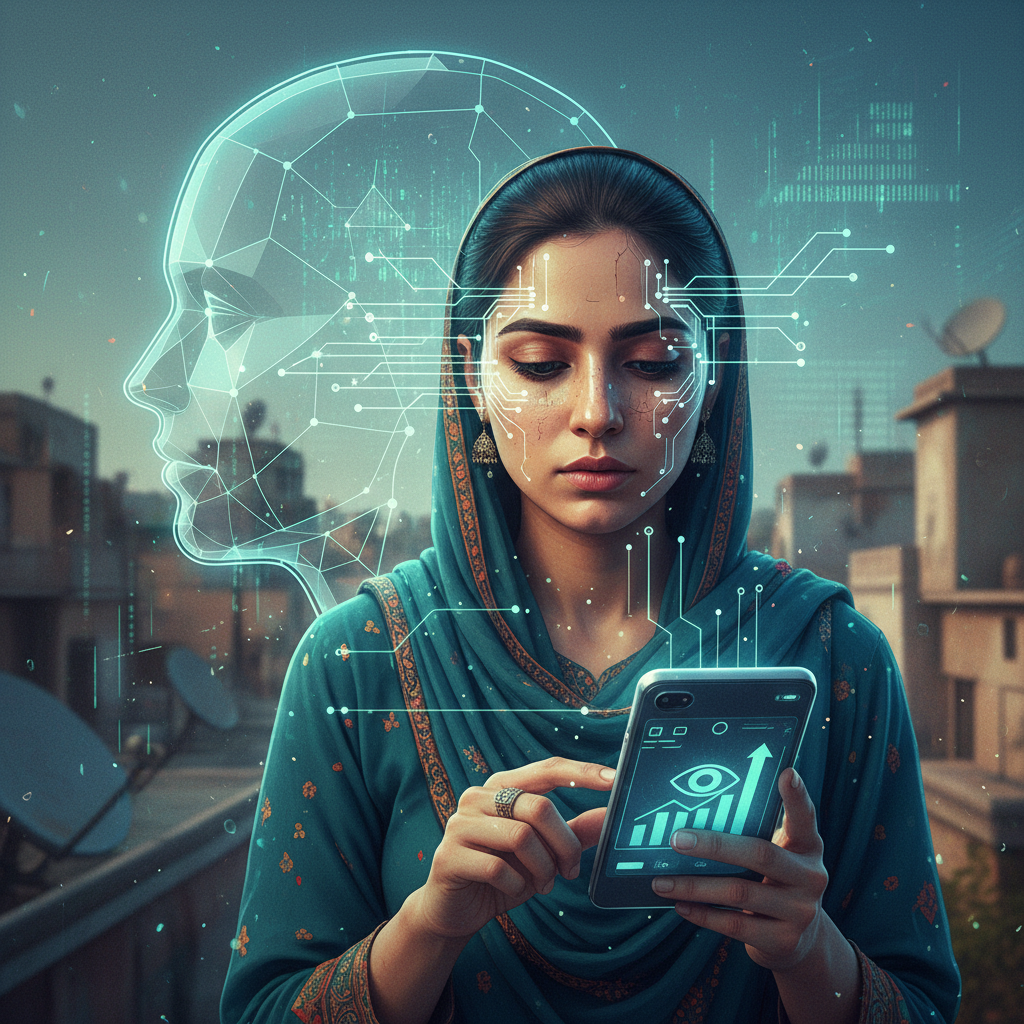

The sun beats down on the dusty streets of Ouagadougou, a familiar rhythm to life here. When the electricity flickers, which it often does, life adjusts. We light candles, fire up generators, or simply wait. Power is not a given; it is a negotiation. So, when I hear talk about artificial intelligence, about the incredible processing power needed for the latest large language models from OpenAI or Google, my mind doesn't go to futuristic visions. It goes to the grid, to the generators, and to the very real struggle for reliable energy that defines much of our daily existence.
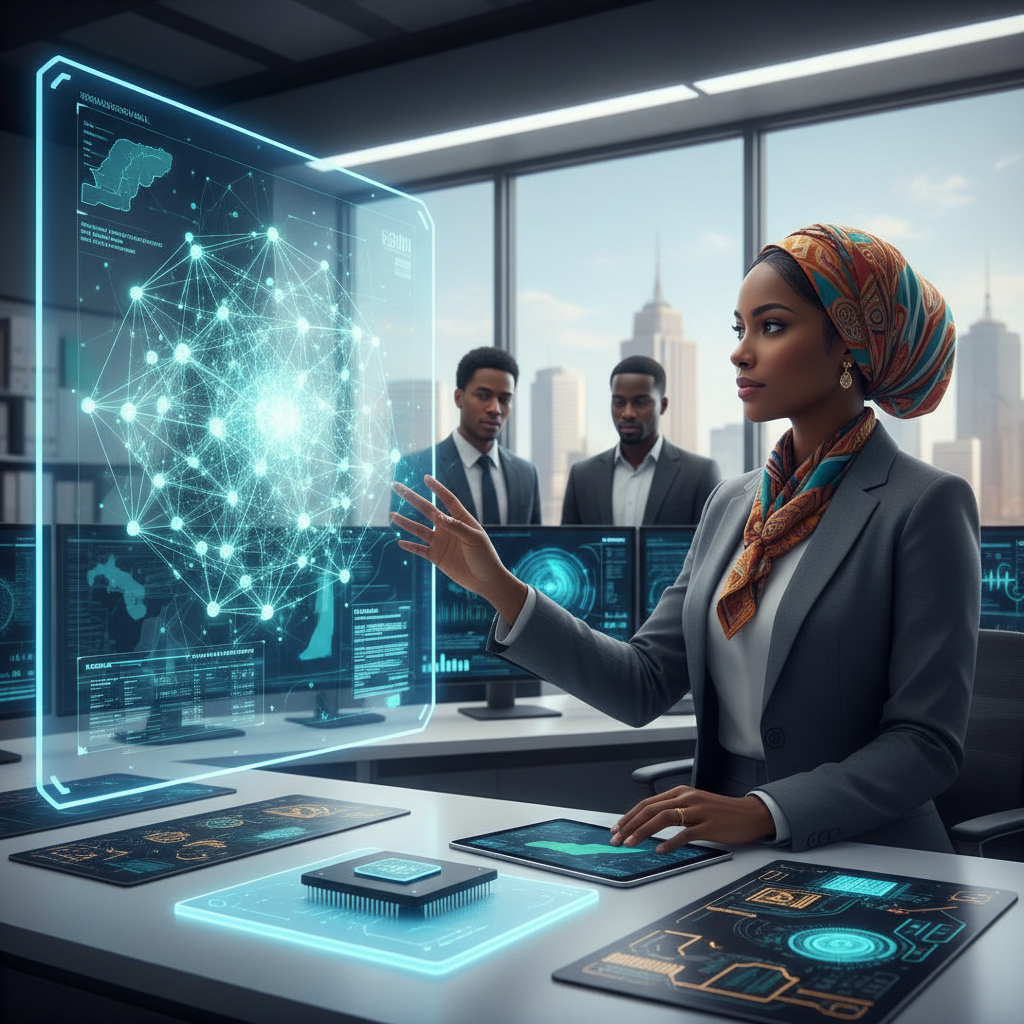
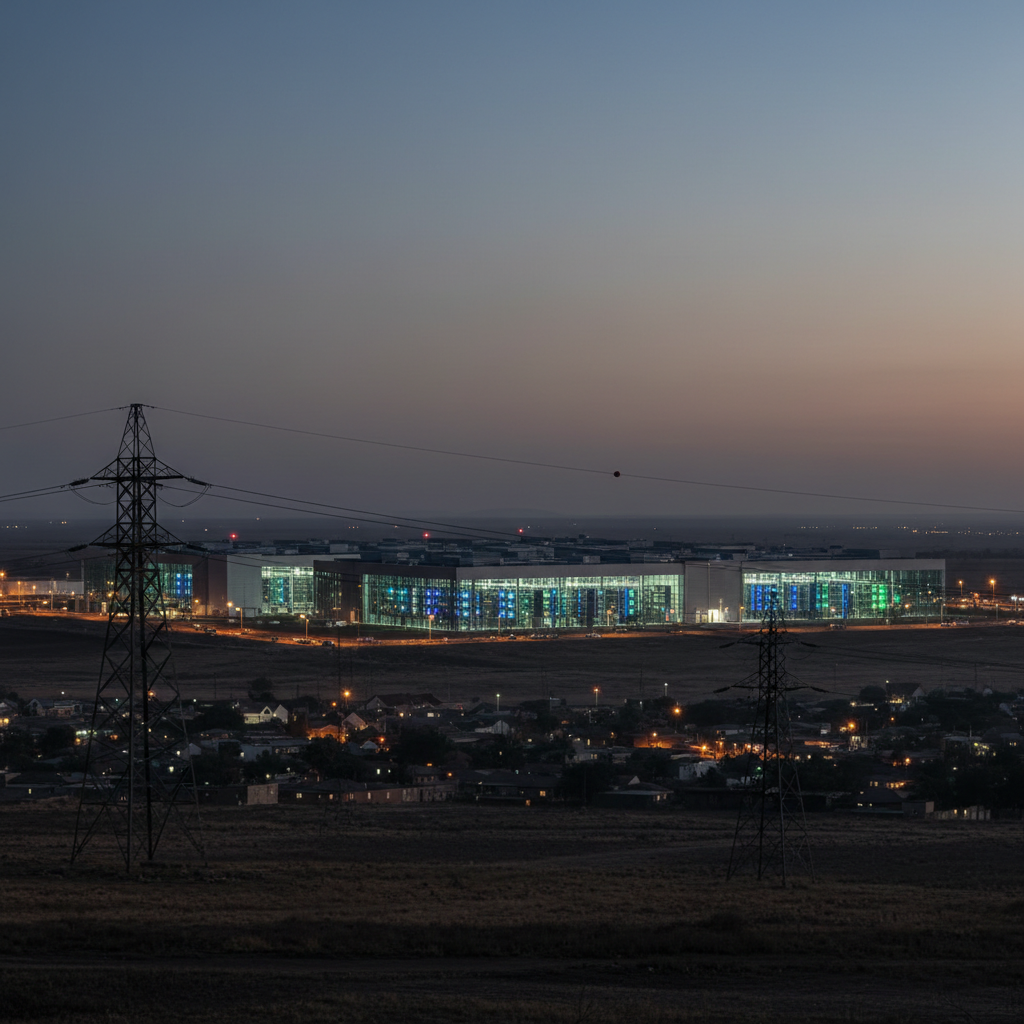
Here's what actually happened: The world's insatiable appetite for AI, particularly the generative kind, has quietly ignited an energy crisis. Data centers, the physical homes for these digital brains, are now projected to consume more electricity than entire countries. Consider the numbers: a single advanced AI training run can use as much energy as several homes for a year. The International Energy Agency, or IEA, estimates that data centers globally could consume over 1,000 terawatt hours, or TWh, by 2026. To put that in perspective, that is roughly the current electricity consumption of Japan, a major industrial nation, or more than double what Australia uses. This isn't just a future problem; it is happening now. Companies like NVIDIA, whose GPUs are the backbone of this AI revolution, are selling more hardware than ever, each chip demanding more power.
Why most people are ignoring it: For many in the West, electricity is like water from a tap, always there, always flowing. The idea of a data center in Virginia or Ireland drawing enough power to light up a city in Burkina Faso seems abstract, a problem for utility companies, not for the average person. The conversation around AI often focuses on its capabilities, its job impacts, or its ethical dilemmas. The physical footprint, the immense energy and water required to keep these digital behemoths running, remains largely out of sight, out of mind. It is easy to be dazzled by the digital magic and forget the very analog, very physical resources it devours.
How it affects YOU: You might think this is a problem for tech giants and environmentalists, but the reality on the ground is different. If you live in a country like Burkina Faso, where energy access is already a critical bottleneck for development, this global surge in demand has direct consequences. Increased global competition for energy resources, higher electricity prices, and a diversion of investment towards large, centralized power generation for data centers could mean less reliable power for homes, schools, and small businesses here. Imagine a farmer relying on an electric pump for irrigation, or a small clinic needing consistent power for vaccines. Every watt diverted to a server farm thousands of kilometers away is a watt not available for essential services. Even if you live in a developed nation, the strain on grids means higher bills, more frequent brownouts, and a slower transition to renewable energy as demand outstrips supply.
The bigger picture: This isn't just about keeping the lights on; it is about global equity and climate change. The energy demands of AI are often met by fossil fuels, exacerbating carbon emissions at a time when we desperately need to decarbonize. The promise of AI to help solve climate change, to optimize energy grids, or to develop new materials feels hollow if the very act of creating and running these AIs contributes significantly to the problem. Furthermore, the concentration of this immense power consumption in a few regions, often near existing energy infrastructure, creates new geopolitical dependencies and vulnerabilities. As Dr. Fatih Birol, the Executive Director of the IEA, stated, “The surging growth of AI and data centers is leading to a significant increase in electricity consumption. We are seeing an unprecedented acceleration in demand.” He emphasized the need for energy efficiency and renewable integration to manage this trend, according to reports from Reuters.
What experts are saying: The conversation among experts is shifting from 'if' to 'how' we manage this energy appetite. Many are calling for radical efficiency improvements and a rapid shift to renewable energy sources for data centers.
- Sam Altman, CEO of OpenAI, has openly acknowledged the energy challenge, suggesting that future AI development will require breakthroughs in energy generation, perhaps even fusion power. He reportedly stated that the world will need “vast amounts of energy” for advanced AI, a clear signal of the scale of the problem.
- Jensen Huang, CEO of NVIDIA, while naturally focused on selling more powerful chips, has also spoken about the need for energy-efficient AI architectures. His company is investing in software and hardware optimizations to reduce power consumption per computation, though the overall demand continues to skyrocket.
- Kate Brandt, Google's Chief Sustainability Officer, has highlighted Google's commitment to powering its data centers with 100% carbon-free energy 24/7. This is an ambitious goal, and while commendable, it underscores the immense challenge of matching renewable supply with continuous, escalating demand. As she explained, “We are working to decarbonize our operations, but the scale of AI growth means we need systemic changes across the energy sector.”
- A recent report from the MIT Technology Review highlighted that water usage by data centers, often for cooling, is also a growing concern, especially in water-stressed regions. This adds another layer of complexity to the environmental footprint of AI, a critical issue for many parts of Africa, including Burkina Faso, where water is already a scarce resource. You can read more about these challenges on MIT Technology Review.
What you can do about it: As individuals, our power might feel small, but collective action matters. Demand greater transparency from tech companies about their energy and water consumption. Support policies that incentivize renewable energy development and energy efficiency standards for data centers. Advocate for local energy independence and decentralized renewable solutions, particularly in developing nations, to reduce reliance on a strained global grid. For those in Burkina Faso, supporting local solar initiatives, like those powering community boreholes or small businesses, becomes even more critical when global energy resources are under pressure. We must also question the necessity of every AI application; do we need more sophisticated chatbots, or do we need AI that helps us manage our water resources more efficiently with less energy cost?
The bottom line: Forget the hype, this is what matters. The AI energy crisis is not a distant, abstract problem. It is a fundamental challenge that will shape global energy markets, impact climate goals, and directly affect the quality of life in communities around the world, from the sprawling metropolises to the smallest villages in Burkina Faso. In five years, the availability and cost of energy will be a primary determinant of who benefits from AI and who is left behind. If we fail to address this, the promise of AI will come at an unsustainable cost, leaving us in the dark, quite literally. The future of AI, and indeed our energy future, depends on a conscious, collective effort to power these digital brains responsibly and sustainably. We cannot afford to build a future that leaves us without the most basic necessity: light.