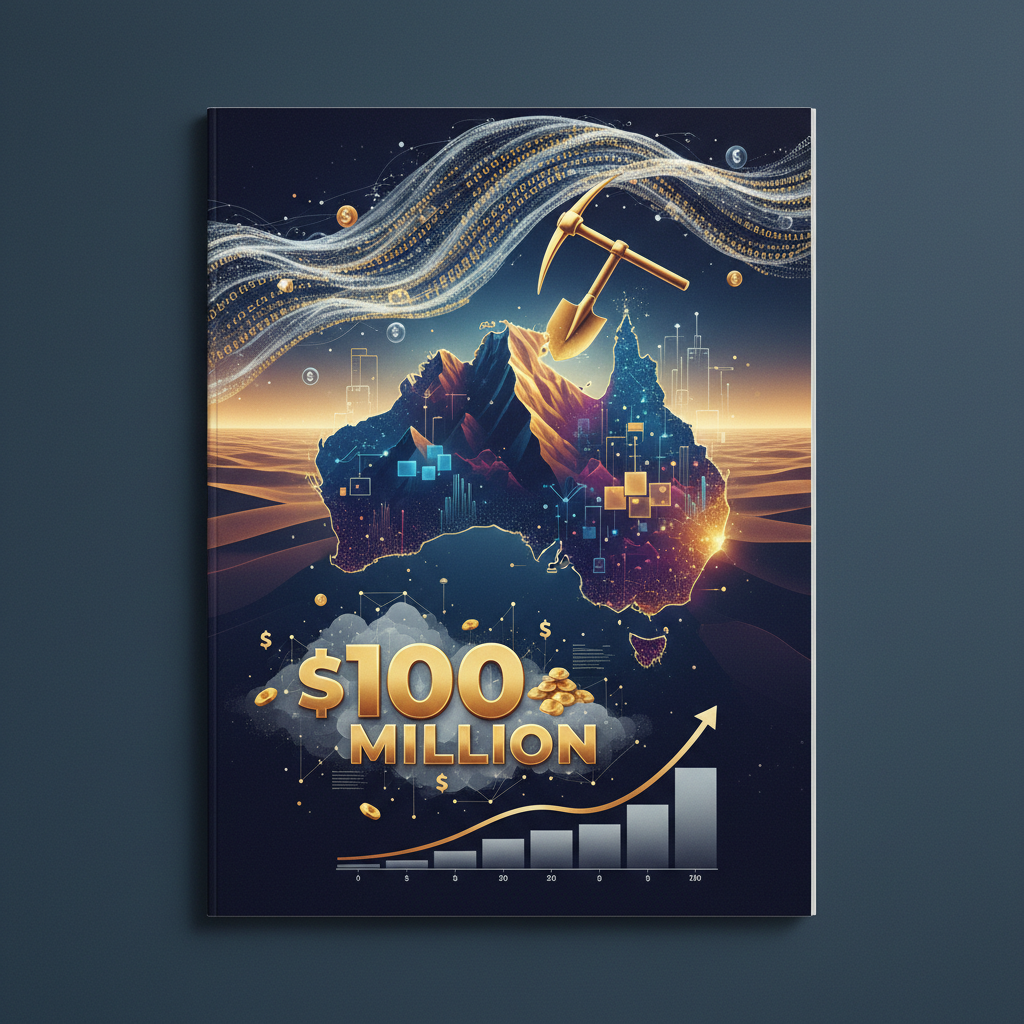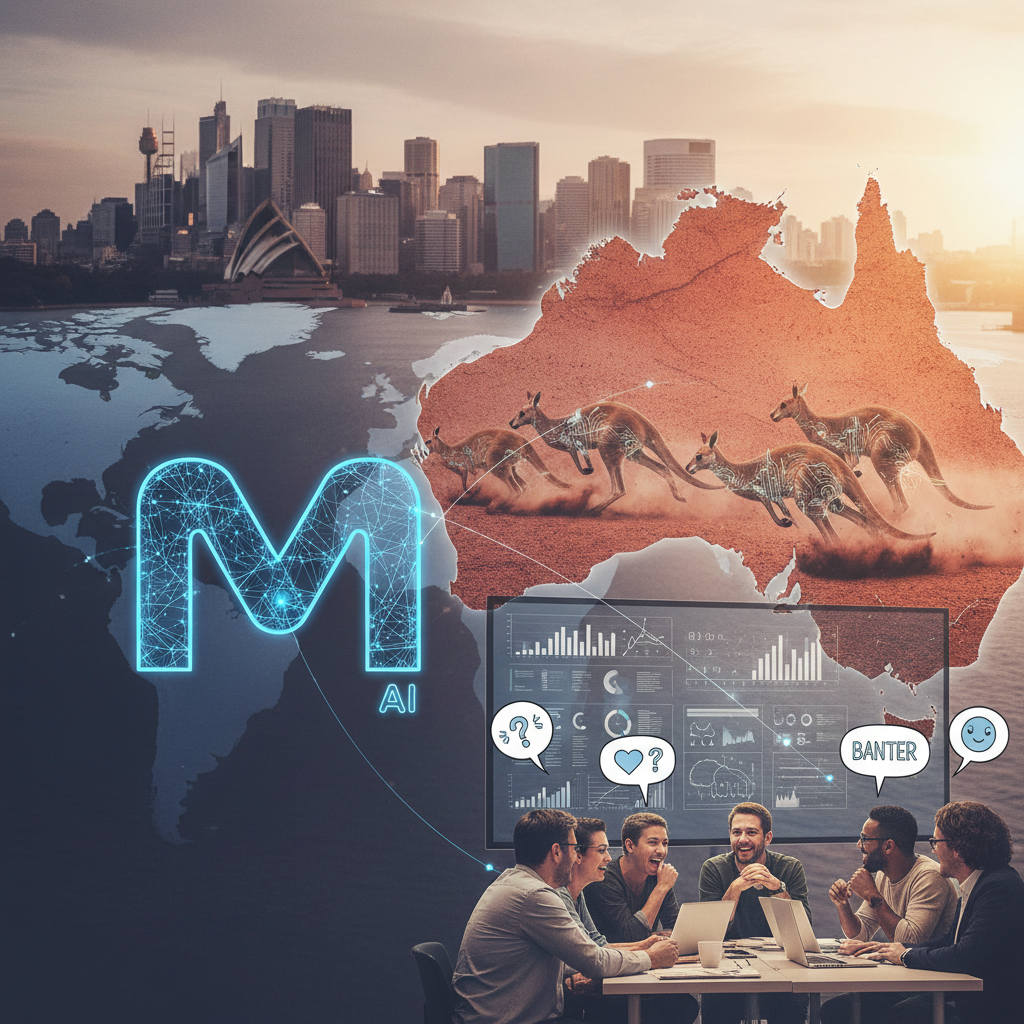
Right, so everyone's been banging on about Mistral AI lately, haven't they? This plucky French startup, barely out of its nappies, is suddenly the darling of the European tech scene, raking in billions and positioning itself as the continent's answer to OpenAI. They're all about 'sovereign AI' and 'open source' and all that jazz, which sounds grand on paper, but when you peel back the layers, it makes an Aussie like me wonder: what's in it for us, eh?
Let's be honest, for ages, the global AI narrative has been dominated by the big American players. OpenAI, Google, Microsoft, Meta, you know the drill. They're the ones setting the pace, building the models, and frankly, hoovering up most of the talent and investment. Then you've got China, doing its own thing, building its own walled gardens. And Europe, bless its cotton socks, has mostly been trying to figure out how to regulate the whole shebang while occasionally throwing a few euros at some academic projects. But Mistral, with its rapid rise and hefty valuations, has suddenly thrown a spanner in the works.
They've managed to secure some serious coin, reportedly reaching a valuation north of $6 billion in a recent funding round, with Microsoft even chipping in a cool $2 billion. That's not small beer, even for a global tech giant. Their models, like Mistral Large, are now competing with the best from Silicon Valley, and they're doing it with a distinctly European flavour: a strong emphasis on open source principles, data privacy, and a desire to keep AI innovation within European borders. This 'sovereign AI' movement, as they call it, is all about ensuring that critical AI infrastructure and capabilities aren't solely controlled by a handful of American companies.
Now, why should this matter to us Aussies, tucked away down here in the Asia-Pacific? Well, for starters, we're not exactly swimming in our own large language model (LLM) development. We've got brilliant researchers, fantastic startups, and some truly innovative applications of AI, especially in areas like mining, agriculture, and healthcare. Australia's tech scene is like a good flat white, better than you'd expect, but we're still largely consumers of foundational AI models, not their primary creators. This means we're often reliant on the terms, conditions, and sometimes the geopolitical whims of the big global players.
When Europe starts talking about sovereign AI, it's a wake-up call. It's a recognition that who builds the AI, and where it's hosted, has profound implications for national security, economic competitiveness, and cultural preservation. Imagine a future where critical infrastructure, from defence systems to medical diagnostics, relies on AI models trained and controlled by entities thousands of kilometres away, potentially subject to different legal frameworks or even foreign government influence. It's enough to give you the jitters.
Dr. Michelle Rowland, Australia's Minister for Communications, has often spoken about the need for digital sovereignty, albeit usually in the context of data storage and cybersecurity. I reckon this AI push from Europe adds a whole new layer to that conversation. She's been quoted saying,