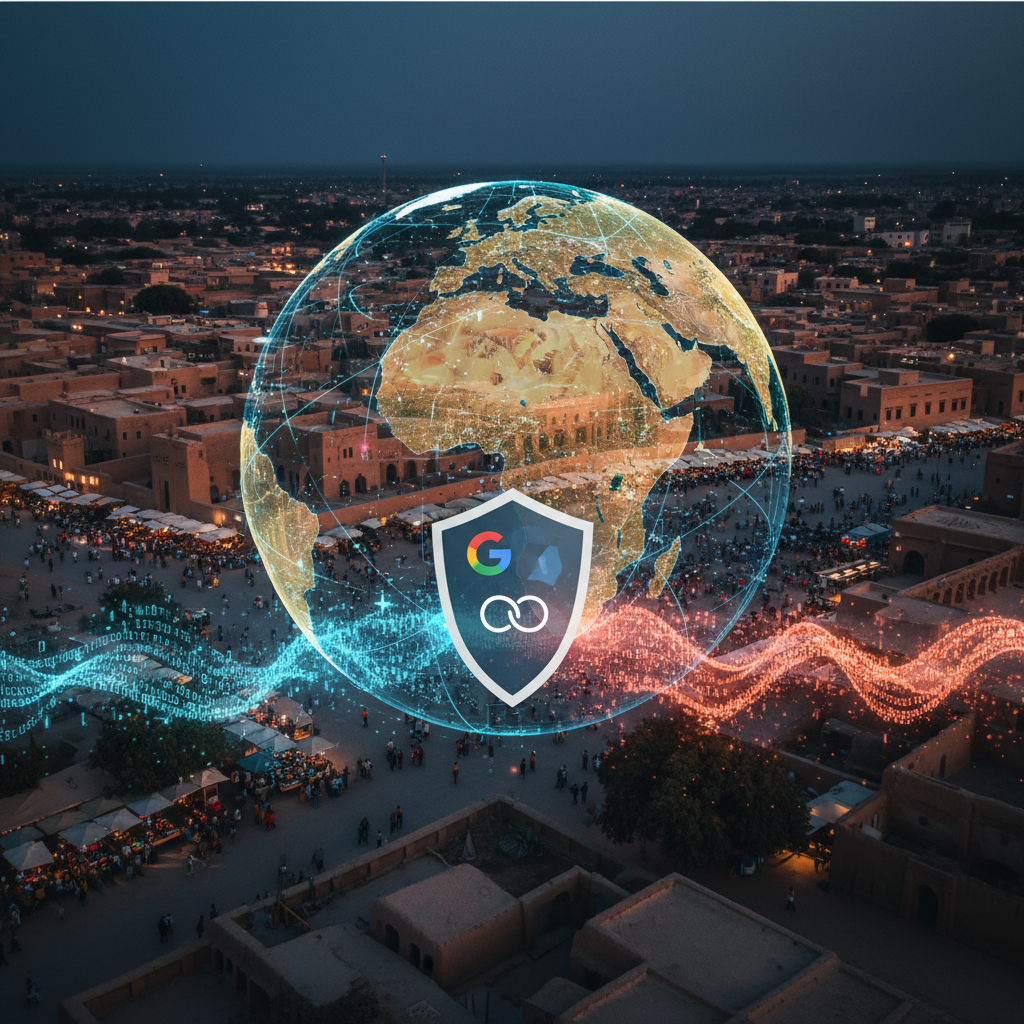
The digital landscape of African elections is shifting, not with the promise of greater transparency, but with the ominous shadow of deception. Across the continent, from Senegal to South Africa, and acutely here in Mali, the proliferation of AI-generated deepfakes has moved from a theoretical threat to a tangible, destabilizing force. We are witnessing a new frontier in information warfare, one where the truth is not merely distorted, but entirely fabricated, with alarming ease and sophistication.
Just last month, a fabricated audio clip, purportedly featuring a prominent Malian presidential candidate making inflammatory remarks against a rival ethnic group, circulated widely on WhatsApp and local radio. The clip, later debunked by independent fact-checkers, caused immediate unrest in several northern towns, highlighting the fragility of public trust and the potent impact of synthetic media. This incident is not isolated; similar patterns are emerging in other nations preparing for polls, demonstrating a clear, coordinated effort to manipulate public opinion and incite discord.
Major tech companies, primarily based in Silicon Valley, have acknowledged the problem. Google, OpenAI, and Meta have all issued statements and initiated programs aimed at combating the misuse of their AI technologies for electoral interference. Sundar Pichai, CEO of Google, recently reiterated his company's commitment to developing robust detection tools and watermarking technologies for AI-generated content. "Our responsibility extends beyond innovation to safeguarding the democratic processes worldwide," Pichai stated in a recent press briefing. "We are investing heavily in AI safety research and collaborating with electoral commissions to deploy these tools effectively." Similarly, OpenAI, under Sam Altman, has pledged to make its models more difficult to misuse for political disinformation, emphasizing content provenance and user education.
However, let's be realistic. The pace of AI development far outstrips the pace of regulatory and societal adaptation. While these commitments are welcome, their practical impact on the ground in regions like the Sahel remains questionable. The tools and resources required to detect sophisticated deepfakes are often beyond the reach of local electoral bodies and civil society organizations. Mali's National Independent Electoral Commission (ceni), for instance, operates with limited technical capacity and resources. Expecting them to keep pace with state-of-the-art generative AI models from companies like Midjourney or Stability AI, which can produce hyper-realistic images and videos, is simply untenable.
"The challenge is not just technological, it is also infrastructural and educational," explains Dr. Aminata Diallo, a cybersecurity expert at the University of Bamako. "We lack the high-speed internet infrastructure in many rural areas to quickly disseminate fact-checks, and a significant portion of our population has limited digital literacy. This creates fertile ground for misinformation to take root before it can be countered." Her assessment underscores a critical vulnerability: the digital divide itself becomes an amplifier for deepfake campaigns.
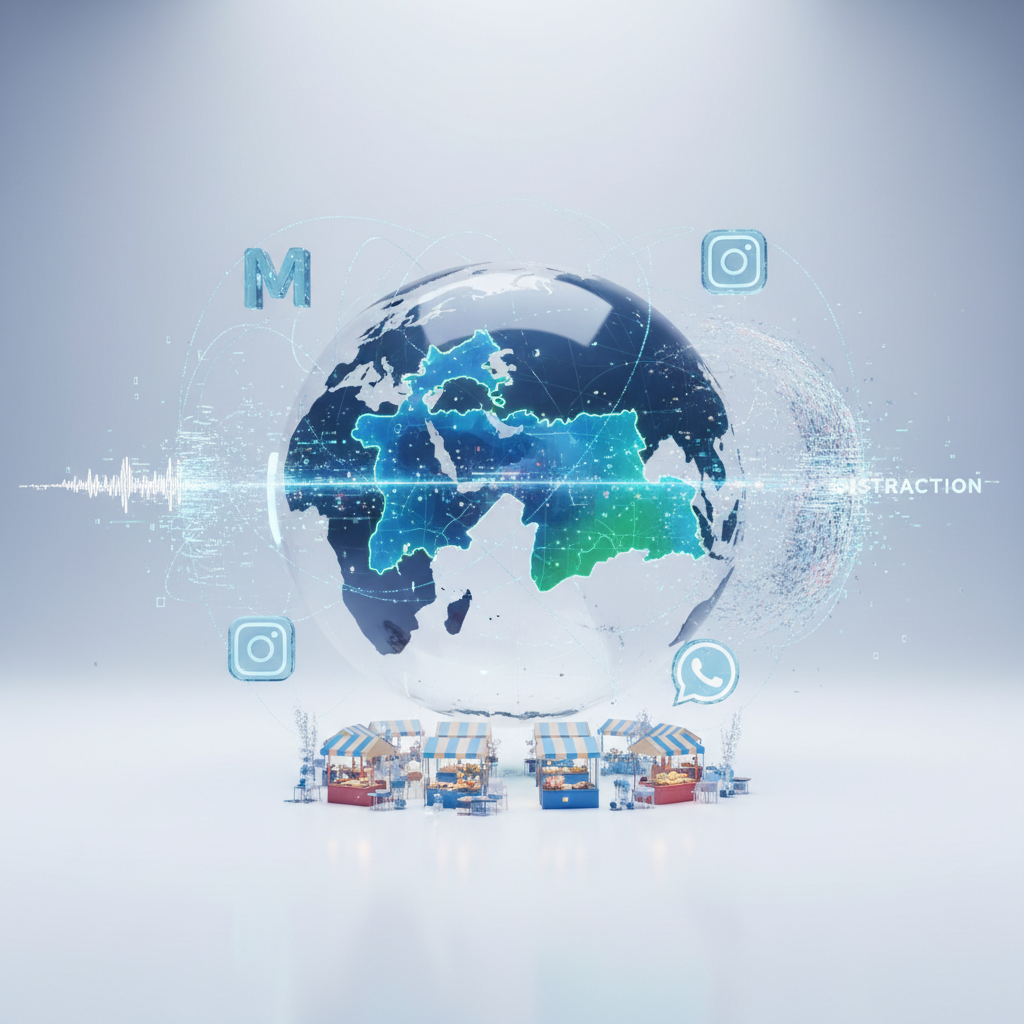
The data tells a different story than the optimistic pronouncements from tech headquarters. A recent report by the African Centre for Strategic Studies indicated a 300% increase in detected deepfake incidents targeting political figures in sub-Saharan Africa between 2023 and 2025. Furthermore, a study published in MIT Technology Review highlighted that while detection tools exist, their effectiveness drops significantly when deepfakes are distributed via closed messaging apps like WhatsApp, which are ubiquitous in Africa, rather than public platforms. This dark social media ecosystem makes content moderation and detection exceedingly difficult.
Consider the operational realities. A deepfake video can be created in minutes using readily available software, some of it open source. Disseminating it across a network of WhatsApp groups takes seconds. Countering it requires forensic analysis, official statements, and widespread public awareness campaigns, a process that can take days, by which time the damage is often irreversible. The cultural nuances also play a role; a fabricated video of a respected elder or religious leader can carry immense weight in communities where oral tradition and personal reputation are paramount.
"We saw the impact during the 2024 Senegalese elections, where audio deepfakes were used to discredit candidates and sow ethnic division," remarked Mr. Ousmane Diarra, a veteran journalist with the Office de Radiodiffusion Télévision du Mali (ortm). "The speed at which these fakes spread, and the difficulty in convincing people they are false once they have been seen or heard, is a profound threat to our nascent democratic institutions. We need practical solutions, not moonshots from companies thousands of kilometers away." His words echo a growing sentiment that the solutions offered by global tech giants often fail to account for local contexts and capacities.
One emerging strategy involves localized content authentication initiatives. Projects like the 'Malian Digital Trust Alliance,' a coalition of local journalists, academics, and civil society groups, are attempting to build community-based fact-checking networks and digital literacy programs. They are exploring partnerships with companies like Adobe, which offers Content Authenticity Initiative (CAI) tools, to help verify the origin and integrity of media files. However, these efforts are often underfunded and struggle to scale across a vast and diverse nation like Mali.
Another critical aspect is the role of telecommunication providers. In many African countries, mobile network operators are the primary gatekeepers of internet access. Their collaboration is essential in identifying and blocking the rapid spread of malicious content. However, this raises complex questions about censorship, freedom of expression, and governmental overreach, issues that are particularly sensitive in fragile political environments.
The international community and global tech firms must move beyond generic pledges and invest in tailored, context-specific solutions. This means funding local fact-checking organizations, providing open-source, easy-to-use deepfake detection tools, and collaborating on digital literacy campaigns that resonate with local cultures and languages. It also requires a deeper understanding of the distribution channels prevalent in these regions, particularly the encrypted messaging applications that often escape the purview of public platform moderation.
As Mali and other African nations navigate their electoral cycles, the integrity of their democratic processes hangs in the balance. The rise of AI-generated deepfakes is not merely a technological problem; it is a profound societal and political challenge that demands immediate and pragmatic action. Without a concerted, localized effort, the promise of free and fair elections risks being undermined by a deluge of synthetic deception, leaving citizens unable to distinguish truth from fabrication. The consequences for stability and governance could be dire, extending far beyond the ballot box itself. For more insights into the broader implications of AI in political landscapes, one might consider reports from TechCrunch on emerging technologies and their societal impacts.