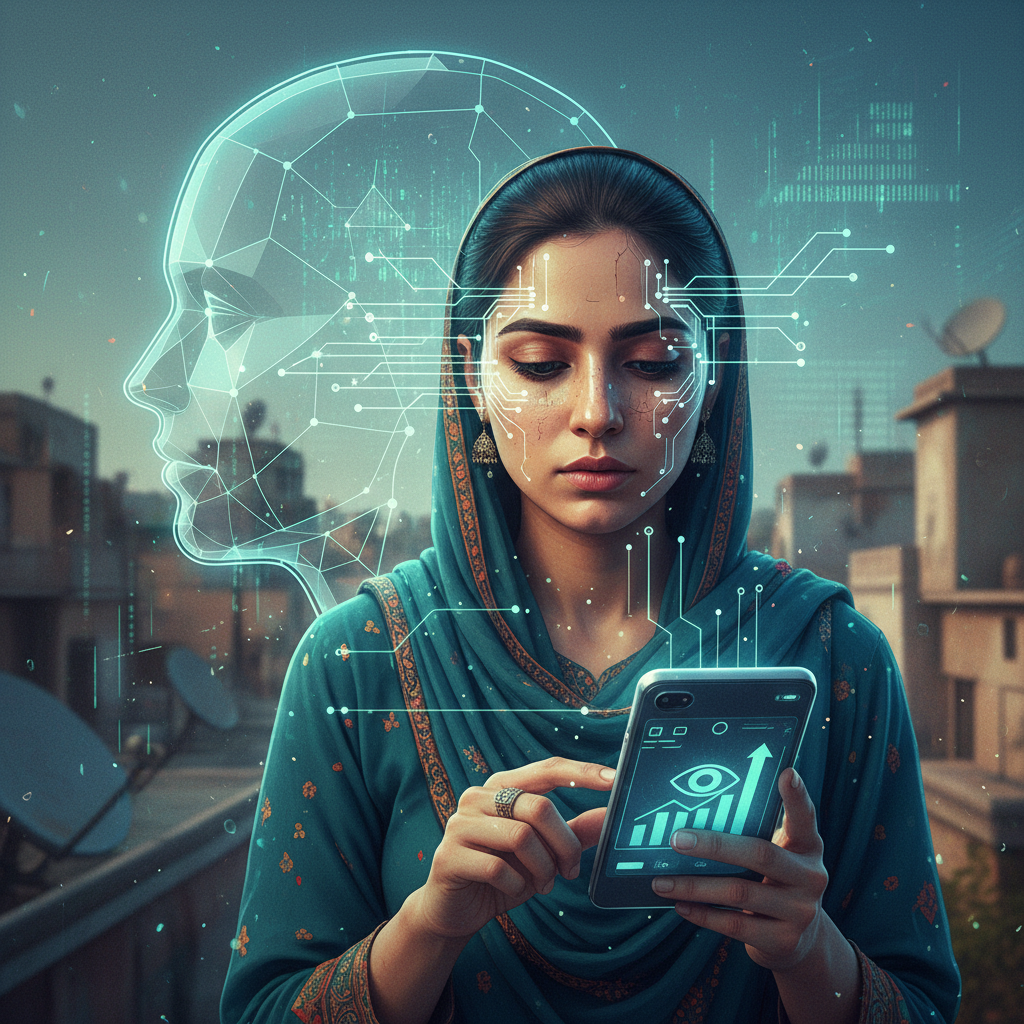

The digital frontier of education is rarely a tranquil landscape. In Kazakhstan, a nation grappling with its own unique blend of tradition and technological aspiration, the advent of AI chatbots in schools has ignited a fervent debate. Is this a harbinger of an educational revolution, promising personalized learning and unprecedented access to information, or does it merely pave the way for a cheating crisis of epic proportions, further eroding the foundations of academic honesty? My investigation reveals that Kazakhstan's digital ambitions hide a complex reality, one where the promise of AI often collides with the practicalities of implementation and oversight.
From Almaty to Astana, the whispers of OpenAI's GPT and Google's Gemini are no longer confined to university lecture halls. They have infiltrated secondary schools, appearing on student smartphones and, increasingly, on school-issued devices. The allure is undeniable: instant answers, essay generation, complex problem-solving. For students, it is a powerful tool. For educators, it is often a source of profound anxiety. The money trail leads to a burgeoning market for AI-detection software, a reactive measure to a proactive technological shift.
"We are seeing a generational divide in real time," explains Dr. Aidana Zhussupova, a prominent educational technologist at Nazarbayev University, during a recent conference in Shymkent. "Our students, digital natives, view these tools as extensions of their own cognitive processes. Many educators, however, perceive them as an existential threat to traditional assessment methods. The challenge is not to ban AI, but to integrate it responsibly, to teach critical engagement rather than blind reliance." Her words echo a sentiment shared by many who recognize the inevitability of this technological tide.
Indeed, the statistics are stark. A recent survey conducted by the Kazakh Ministry of Education and Science indicated that over 60 percent of high school students admitted to using AI tools for homework or assignments at least once a month. This figure, while alarming to some, underscores the widespread accessibility and perceived utility of these platforms. The average time spent by students interacting with AI chatbots for academic purposes has reportedly increased by 45 percent over the last year, according to data compiled by a local tech consultancy. This rapid adoption rate far outpaces the development of policy frameworks designed to manage it.
The global tech giants are not idle observers. Companies like OpenAI and Google are actively developing educational versions of their models, often with features aimed at mitigating misuse while enhancing learning. Microsoft's Copilot, for instance, is being piloted in select schools across Europe and North America, offering personalized tutoring and content creation assistance. Yet, the question remains: are these tools truly designed for pedagogical enrichment, or do they inadvertently create new vectors for academic dishonesty? And more critically for nations like Kazakhstan, do they inadvertently open doors for data collection and surveillance?
"The concern is not just about cheating, it is about data privacy and digital sovereignty," stated Arman Nurmagambetov, a digital rights advocate based in Nur-Sultan. "When our children interact with these powerful AI models, where does their data go? Who owns the insights derived from their learning patterns? These are questions that require transparent answers, not just from Silicon Valley, but from our own government." His point is a critical one, particularly in a region where digital rights are often a secondary consideration to technological advancement.
The Ministry of Education and Science has taken initial steps, forming a working group to develop national guidelines for AI use in schools. This initiative, while commendable, moves at a glacial pace compared to the lightning speed of AI development. One proposed solution involves the mandatory use of AI detection software, a market that has seen explosive growth. Companies like Turnitin, a long-standing player in plagiarism detection, are now aggressively marketing AI-specific tools. However, the efficacy of these tools is constantly debated, with many experts arguing that they are often a step behind the latest AI models, creating a perpetual cat and mouse game.
Consider the case of Aigul, a 16-year-old student in a prestigious Almaty gymnasium. She admitted to using GPT-4 to help draft an essay on Kazakh history. "It is not cheating if I still have to edit it and add my own thoughts, is it?" she asked, a common justification among her peers. "It helps me organize my ideas faster, and the English translation is much better than what I could do alone." This perspective highlights a fundamental shift in how students perceive authorship and assistance. For them, AI is a collaborative partner, not a forbidden shortcut.
This presents an opportunity, not just a problem. If AI can assist in structuring arguments, refining language, and even generating initial research outlines, then perhaps the focus should shift from banning its use to teaching students how to leverage it ethically and effectively. This would require a radical rethinking of curricula, assessment methods, and even the role of the educator. Instead of being mere transmitters of information, teachers could become facilitators of AI-augmented learning, guiding students through complex digital landscapes.
However, the path is fraught with challenges. The digital divide within Kazakhstan remains a significant barrier. While urban centers may have access to high-speed internet and modern devices, many rural schools still struggle with basic infrastructure. Implementing AI solutions uniformly across the country would exacerbate existing inequalities, creating a two-tiered educational system where access to cutting-edge tools is determined by geography and socioeconomic status. This is a critical concern for policymakers aiming for equitable development.
Furthermore, the influence of foreign tech companies raises questions of cultural relevance and content bias. Large language models, often trained on vast datasets predominantly in English and reflecting Western cultural norms, may not always provide accurate or contextually appropriate information for Kazakh students, particularly in subjects like history, literature, or social studies. Ensuring that AI tools are culturally sensitive and reflective of local knowledge bases is paramount. This requires significant investment in localized AI development and training data, an area where Kazakhstan is only beginning to make inroads.
The debate surrounding AI in education is far from settled. It is a microcosm of the broader societal challenges posed by rapid technological advancement. For Kazakhstan, a nation striving to modernize its economy and integrate into the global digital sphere, navigating this complex terrain will define the future of its educational system. The choice is not between embracing AI or rejecting it, but rather how to harness its immense potential while safeguarding academic integrity, ensuring equitable access, and protecting the digital rights of its youngest citizens. The stakes are incredibly high, and the world watches to see how this ancient land will adapt to the newest digital revolution. For more insights into the global impact of AI, consider visiting MIT Technology Review or TechCrunch for ongoing developments. The conversation is just beginning.