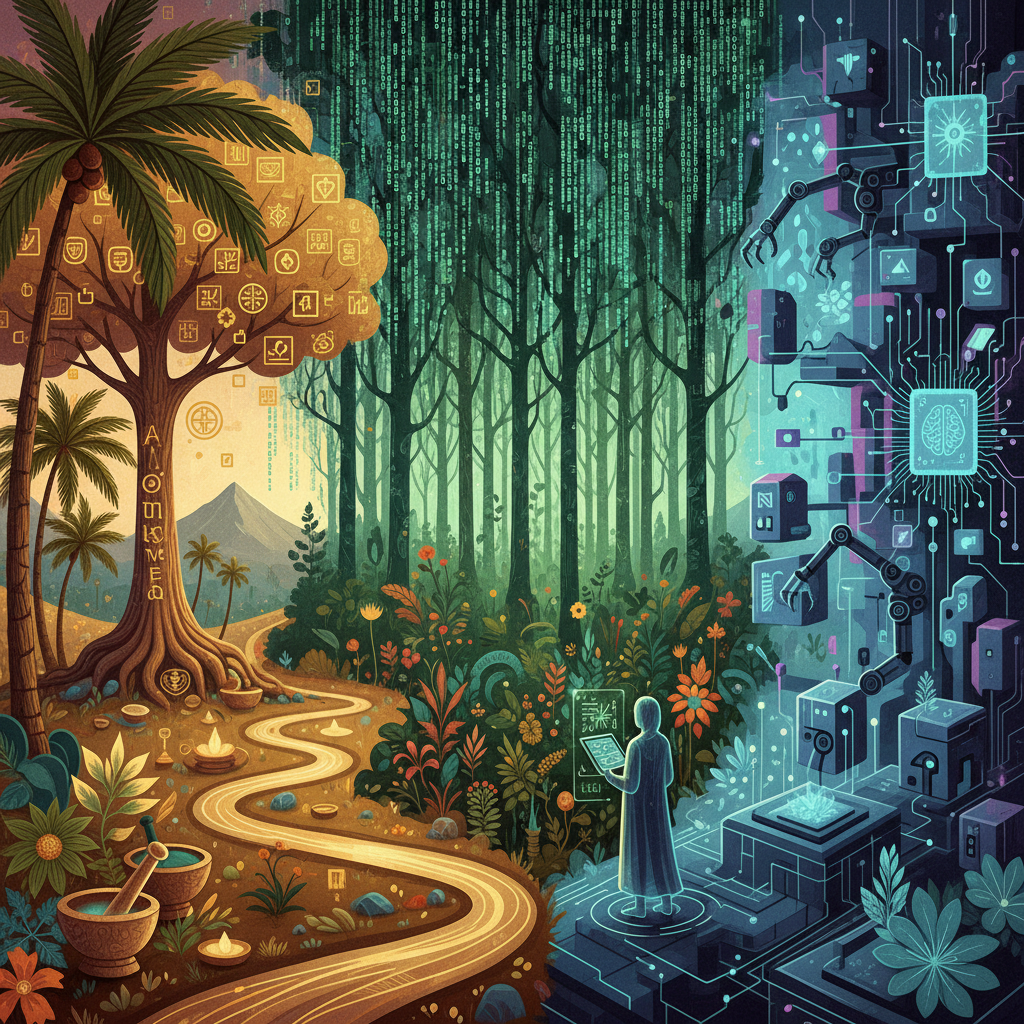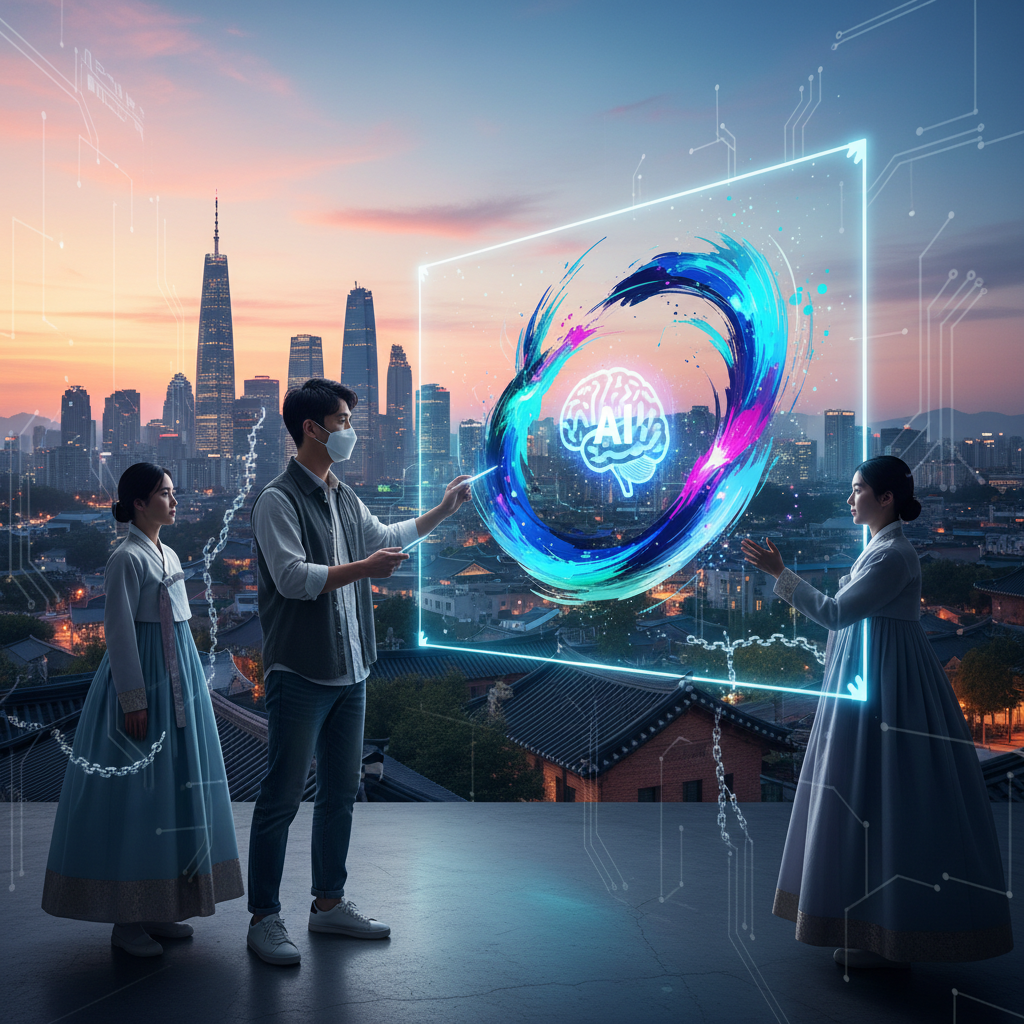
The digital loom of the 21st century is weaving a complex tapestry, one where the threads of human creativity are increasingly intertwined with the silicon logic of artificial intelligence. In South Korea, a nation synonymous with relentless innovation and a vibrant creator economy, this entanglement presents both a dazzling horizon and a looming shadow. The question on the lips of every webtoon artist, K-pop producer, and digital influencer is stark: Will AI be their most powerful brush, or the eraser of their unique artistry?
For decades, South Korea has been a global powerhouse in the creator economy, fueled by the 'Hallyu' wave, or Korean Wave. From the intricate narratives of webtoons on Naver and Kakao Webtoon to the meticulously crafted music videos of K-pop, our creators have captivated audiences worldwide. This success, however, was built on human ingenuity, countless hours of dedication, and a distinct cultural sensibility. Now, generative AI models, capable of producing text, images, music, and even video with astonishing speed and fidelity, are challenging this established order.
Consider the burgeoning market for AI-generated art. Tools like Midjourney, Stable Diffusion, and OpenAI's Dall-e have democratized image creation, allowing anyone to conjure complex visuals from simple text prompts. While this can empower small businesses or individuals with limited design budgets, it simultaneously inundates the market with easily reproducible content. "The sheer volume of AI-generated content entering the market is unprecedented," notes Dr. Lee Sang-hoon, a professor of digital media at Seoul National University. "Artists who once commanded significant fees for concept art or illustrations are now competing with algorithms that work for fractions of the cost, or even for free. This is not merely an efficiency gain, it is a fundamental shift in value perception."
Here's the technical breakdown: these generative models are trained on colossal datasets, often scraped from the internet without explicit consent from the original creators. This practice has ignited fierce debates globally, leading to lawsuits against companies like Stability AI and Midjourney by artist collectives in the United States. In South Korea, while direct litigation is less common, the sentiment among creators is palpable. The Korea Webtoon Writers Association has voiced concerns regarding potential copyright infringements and the devaluation of original work, advocating for stronger legal frameworks and transparent data sourcing.
Samsung's latest move reveals a deeper strategy in this evolving landscape. While not directly a content creation platform, Samsung Electronics has been investing heavily in on-device AI capabilities for its Galaxy devices. Their Galaxy AI suite, featuring real-time translation and advanced image editing, hints at a future where AI-powered creative assistance is embedded directly into the tools creators use daily. This approach could empower creators by providing sophisticated, personalized AI assistants that augment their skills rather than replace them. Imagine an AI that learns a webtoon artist's unique drawing style and can then generate background elements or minor character poses, freeing the artist to focus on narrative and core character design.
However, the line between assistance and usurpation remains blurry. Kakao, a dominant force in South Korea's digital ecosystem, with its KakaoTalk messenger and Kakao Webtoon platform, is acutely aware of this tension. Kakao Brain, their AI research subsidiary, has been developing its own suite of generative AI models, including KoGPT, a large language model. The integration of such powerful AI into platforms that host millions of creators presents a unique challenge. On one hand, Kakao could offer creators powerful tools to streamline their workflow, generate initial drafts, or even localize content for global audiences with unprecedented ease. On the other hand, the very existence of these tools raises questions about fair compensation, attribution, and the potential for platform-owned AI to compete directly with its human users.
"The Korean approach to AI is fundamentally different in how it balances technological advancement with societal impact, particularly in creative industries," states Ms. Kim Min-ji, a senior analyst at the Korea Creative Content Agency (kocca). "We are seeing a push for 'ethical AI' guidelines that prioritize human oversight and fair compensation. The goal is not merely to automate, but to elevate human potential. This means engaging creators in the development process, not just presenting them with a finished product." This sentiment underscores a crucial divergence from some Western models, which have sometimes been criticized for a 'move fast and break things' mentality with less initial consideration for ethical implications.
Data from the Ministry of Culture, Sports, and Tourism indicates that the creative content industry contributed approximately 150 trillion Korean Won (roughly 110 billion USD) to the national economy in 2023, employing over 650,000 people. A significant portion of this comes from independent creators. The threat of AI undermining this economic pillar is a serious concern. A recent survey by the Korea Institute for Industrial Economics & Trade found that 68% of independent artists and designers in South Korea expressed anxiety about job displacement due to generative AI within the next five years.
Yet, there are also undeniable opportunities. For musicians, AI can act as a sophisticated co-composer, generating harmonies or rhythms that spark new ideas. For writers, it can overcome writer's block or assist with world-building. Companies like Naver, through their Clova AI platform, are exploring ways to integrate AI into content creation workflows, from automated translation for web novel exports to AI-powered voice synthesis for audiobooks. The key, many argue, lies in developing AI as a collaborative partner, not a replacement.
One promising avenue is the development of AI tools that are highly specialized and personalized. Imagine an AI that, instead of generating generic images, is trained specifically on an artist's unique style, acting as a digital apprentice. This requires a shift in how AI models are developed and deployed, emphasizing customization and respecting individual creative identity. This is where companies like Kakao and Naver, with their deep understanding of local creator ecosystems, could lead globally.
The challenge for South Korea, and indeed for the global creator economy, is to cultivate an environment where AI serves as an amplifier of human creativity, not a suppressor. This necessitates robust legal frameworks for intellectual property, transparent data usage policies, and fair compensation models that acknowledge the foundational role of human-generated data in training these powerful algorithms. As the digital canvas expands, we must ensure that the human hand, with its unique touch and vision, remains firmly in control of the brush. The future of Hallyu, and countless livelihoods, depends on it. For more insights into the broader implications of AI on various industries, you might find articles on MIT Technology Review insightful. The ongoing dialogue around AI ethics and its impact on society is also frequently covered by Wired. Ultimately, the narrative of AI and the creator economy will be written by how we choose to integrate these powerful tools into our creative lives.