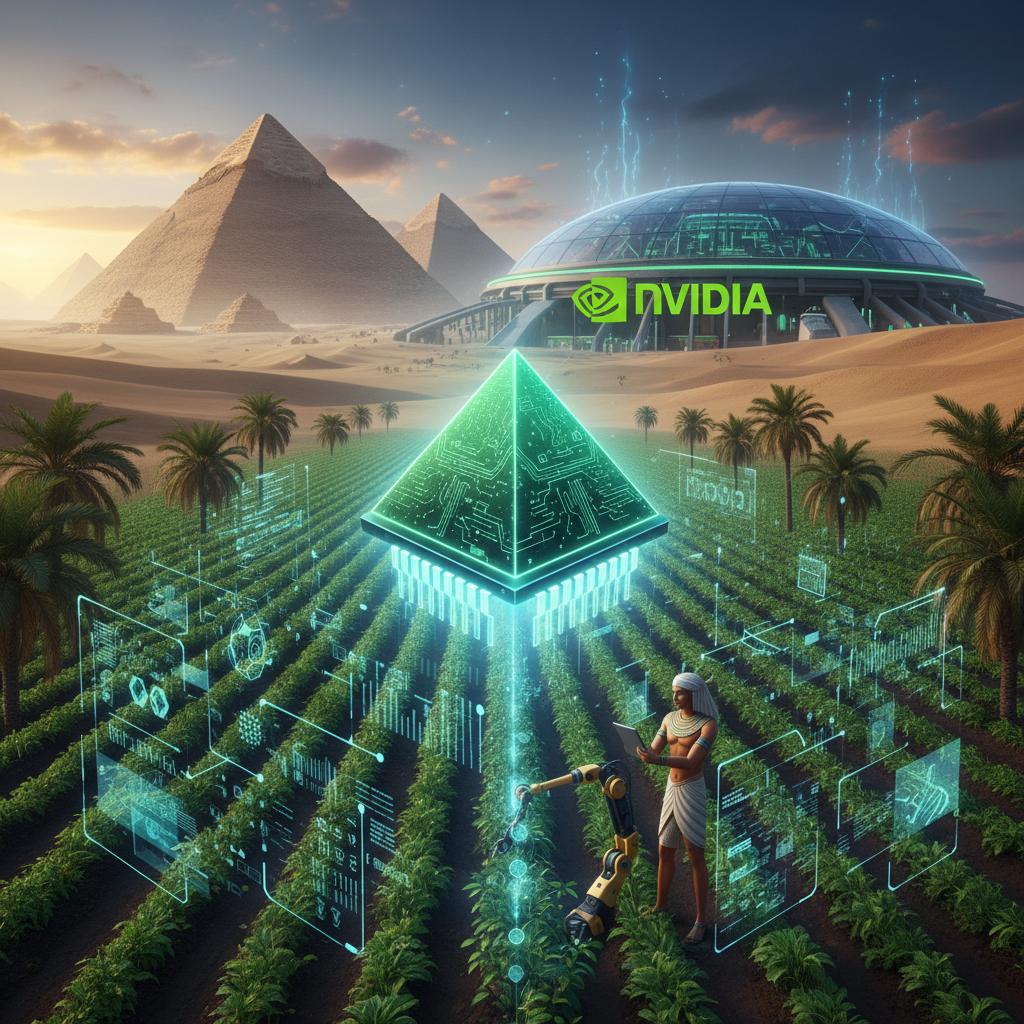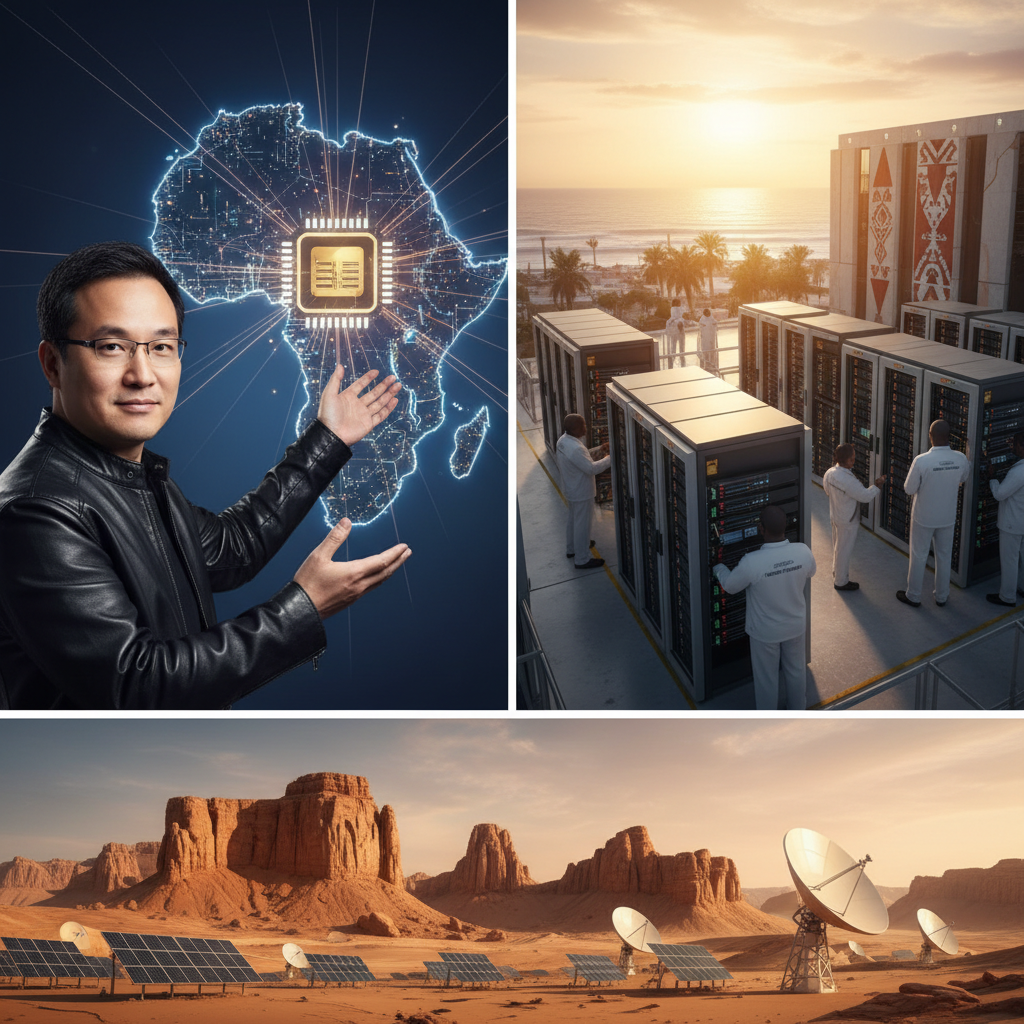

Let me tell you, if there’s one thing that makes me chuckle these days, it’s watching the tech titans of Silicon Valley duke it out over silicon. NVIDIA, AMD, Intel, it’s like watching three hungry hyenas fighting over a particularly juicy wildebeest, only the wildebeest is made of microscopic transistors and the prize is the future of artificial intelligence. Everyone is talking about the AI chip war, and for good reason. It’s a spectacle, a high-stakes poker game where billions are on the table and the stakes are nothing less than who gets to define the next era of computing. But from my perch here in Dar es Salaam, I can’t help but wonder: are we just spectators, or is there a seat for us at this table?
Jensen Huang, NVIDIA’s charismatic leader, has practically become a rockstar. His company’s GPUs, particularly the Blackwell series, are the undisputed kings of the AI world. If you want to train a large language model, you need NVIDIA. It’s that simple. Their market capitalization has soared past the trillion-dollar mark, a testament to their dominance. But where there’s a king, there are always challengers. AMD, under Lisa Su, is making aggressive moves with its Instinct MI300X chips, promising competitive performance and, crucially, offering an alternative to NVIDIA’s Cuda software ecosystem. Then there’s Intel, the old guard, trying to claw its way back into relevance with its Gaudi accelerators, hoping to leverage its manufacturing might and deep enterprise relationships.
This isn’t just about faster chips; it’s about control. Control over the foundational technology that will power everything from autonomous vehicles to medical diagnostics, from climate modeling to, heaven forbid, even more sophisticated TikTok filters. The demand is insatiable. OpenAI, Google, Microsoft, Meta, they are all hoovering up every available GPU like it’s the last plate of pilau at a wedding. Reports suggest that NVIDIA’s data center revenue alone hit over $22 billion in the last quarter of 2025, a staggering figure that underscores their stranglehold on the market. You can’t make this stuff up, the numbers are just wild.
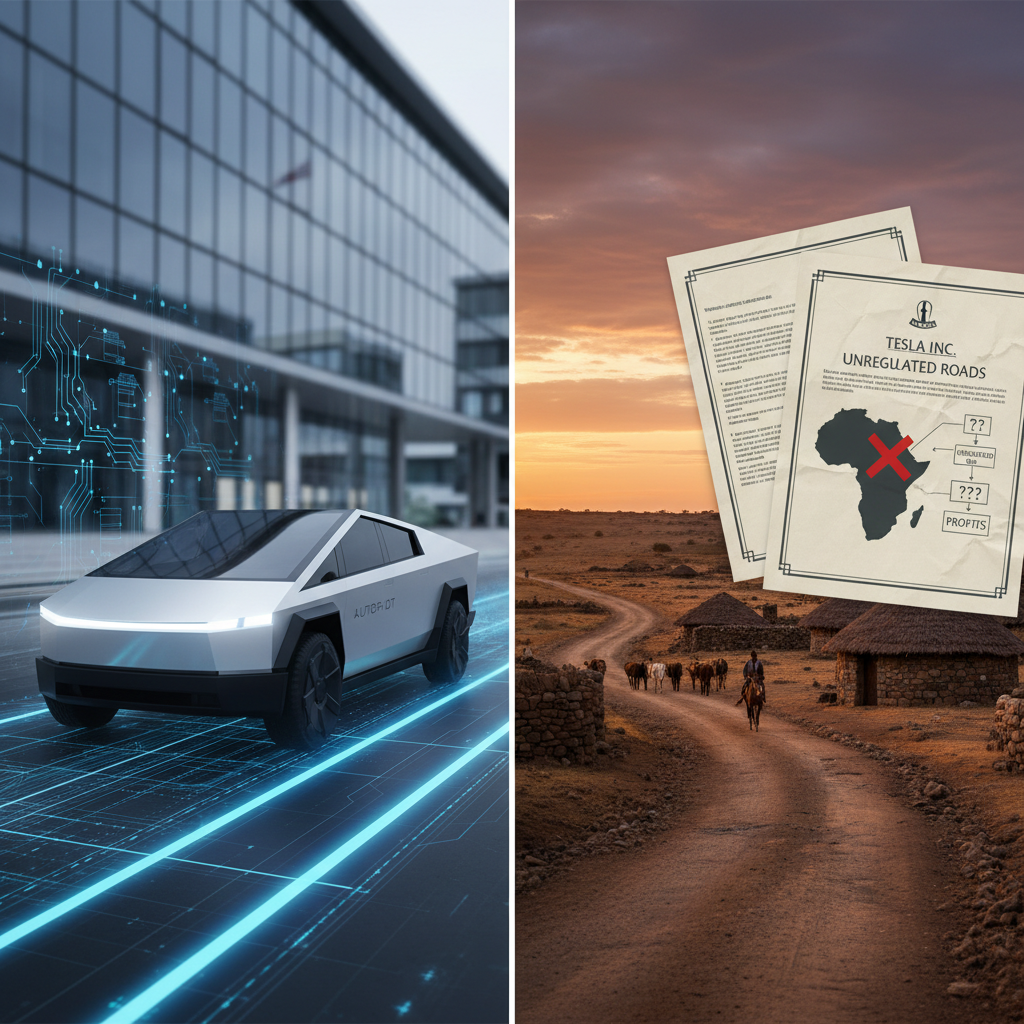
But here’s where my Tanzanian lens comes into focus. While these giants are throwing money and engineering marvels at each other, what does it mean for us? For a long time, the narrative around Africa and technology has been about adoption, about being consumers of innovation rather than creators. We get the smartphones, we get the apps, but the underlying infrastructure, the very brains of this new digital age, are still largely manufactured and controlled elsewhere. This chip war could solidify that dependency, making it harder for local innovation to truly flourish without access to these incredibly expensive and often supply-constrained resources.
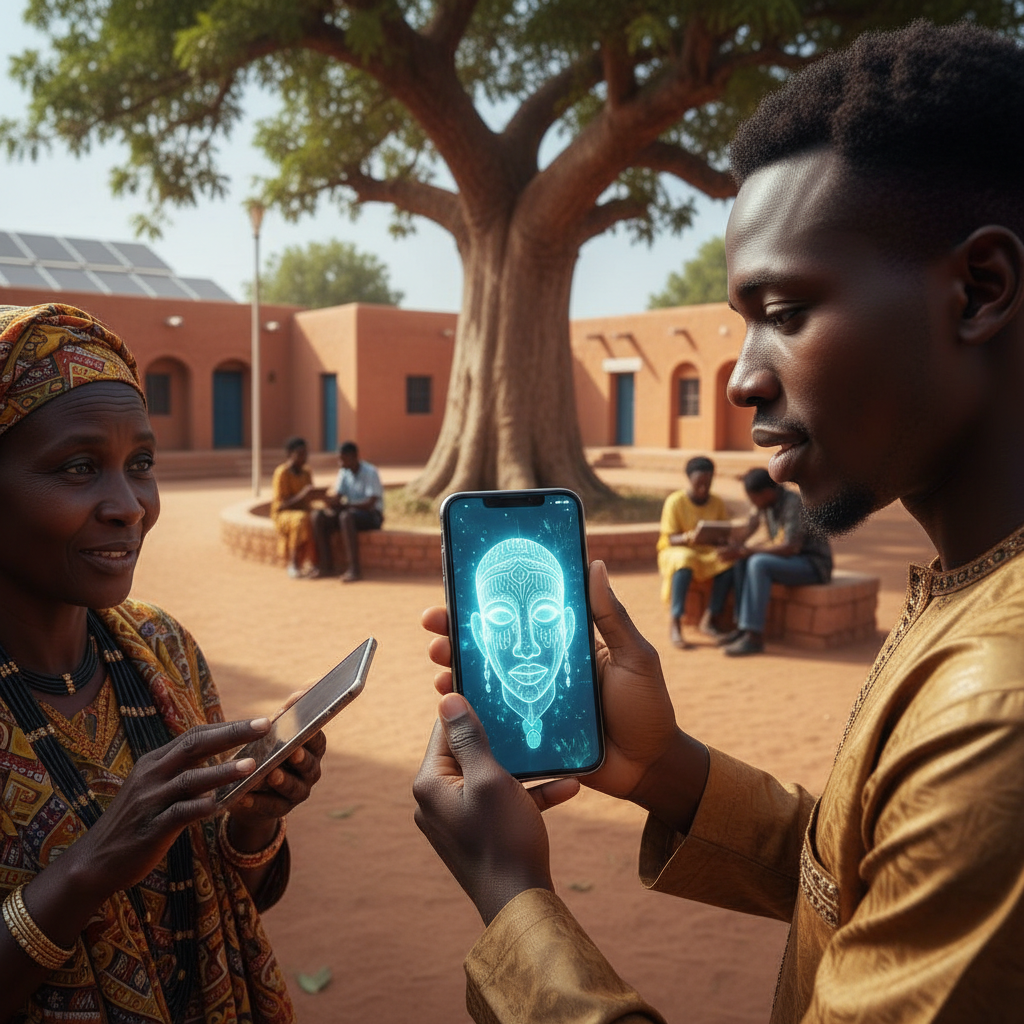
Consider the burgeoning AI scene across the continent. From Nairobi’s vibrant tech hubs to Lagos’s bustling startup ecosystem, and even here in Dar es Salaam, there are brilliant minds working on AI solutions for local challenges. Think about using AI for precision agriculture in the fertile lands of Morogoro, or for improving healthcare diagnostics in rural clinics, or even for optimizing logistics at the port of Dar es Salaam. These initiatives require computational power, and that power increasingly means specialized AI chips. If we are always at the back of the queue, paying premium prices, or worse, if these technologies are designed with biases inherent to their creators’ contexts, then we risk building a future that isn’t truly our own.
“The current chip landscape presents both immense opportunities and significant challenges for emerging economies,” noted Dr. Aisha Hassan, a prominent AI researcher at the University of Dar es Salaam. “While access to advanced hardware is crucial for developing our own AI capabilities, we must also invest in local talent and open-source alternatives to avoid becoming entirely dependent on foreign tech monopolies.” Her point is well taken. We need to be smart, like a seasoned market vendor who knows the value of diversifying their suppliers.
There’s a glimmer of hope, however. The very intensity of this competition might force innovation in unexpected directions. Perhaps the drive for efficiency will lead to more accessible, lower-cost AI hardware that can be deployed at scale in places with limited infrastructure. Or maybe, just maybe, it will galvanize local efforts to develop alternative architectures or even contribute to the open-source hardware movement. We’ve seen how mobile money, born out of necessity and local ingenuity, leapfrogged traditional banking systems in East Africa. Only in East Africa, as they say, could such a revolution take hold so swiftly.
Take the example of local data. Africa is a goldmine of unique data sets, from diverse linguistic patterns to agricultural practices and health profiles. This data, when processed by AI, can yield solutions tailored specifically to our contexts. But processing this data efficiently requires the right hardware. If we have to send all our data to servers in Europe or America because that’s where the chips are, what does that mean for data sovereignty and privacy? It’s a question that keeps many policymakers up at night, or at least it should. The MIT Technology Review has extensively covered the geopolitical implications of chip manufacturing, highlighting how crucial it is for nations to control their technological destiny.
While NVIDIA’s Jensen Huang talks about building the future, and Lisa Su at AMD pushes for performance parity, and Intel’s Pat Gelsinger champions a return to manufacturing dominance, we need to ensure that Africa isn’t just a passive recipient of their technological largesse. We need to be active participants, shaping the narrative and demanding a seat at the table, not just for consumption, but for creation. The global chip shortage during the pandemic showed us the fragility of global supply chains. Relying solely on a few companies for the fundamental building blocks of AI is a risky gamble for any nation, let alone an entire continent striving for digital self-determination.
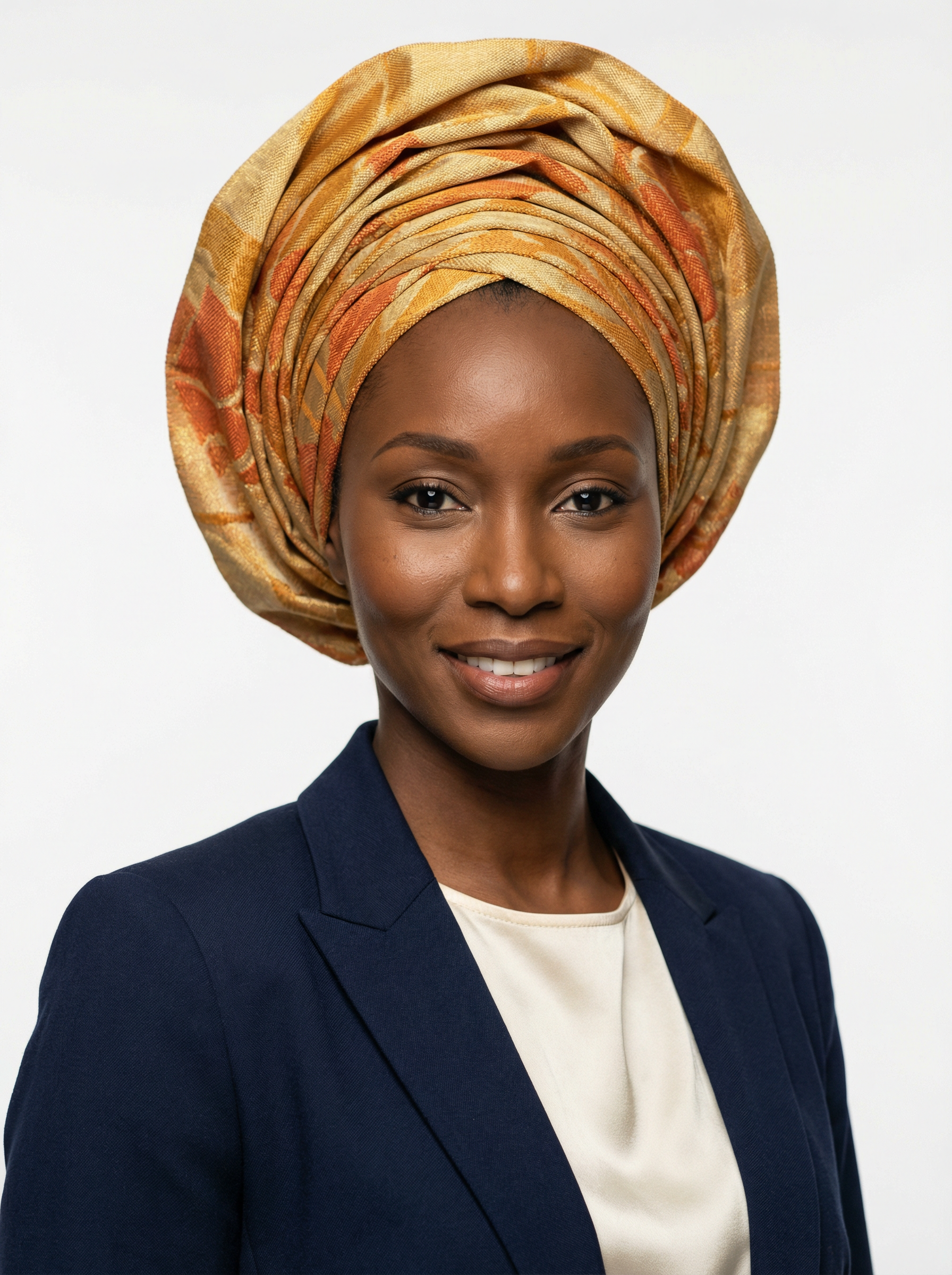
“We must foster an environment where our brightest minds can not only utilize these advanced tools but also contribute to their evolution,” stated Dr. Ndidi Okonkwo, a Nigerian AI ethicist, in a recent online forum. “This means investing in Stem education, supporting local research, and advocating for open standards and equitable access to technology.” Her words resonate deeply. It is not enough to simply import; we must cultivate. The future of AI is not just about who has the fastest chip, but who has the wisdom to use it for the greatest good, and for the benefit of all.
So, as the titans clash and the silicon dust settles, I’ll be here, watching with a keen eye. Because while the chip war rages in boardrooms and fabs across the globe, its ripples will inevitably reach our shores. And when they do, we need to be ready, not just to ride the wave, but to steer our own dhow through the currents. The stakes are too high for us to be mere bystanders in this digital revolution. The battle for AI supremacy is not just a tech story; it’s a global power struggle, and Africa’s role in it is yet to be fully written. For more insights into the broader tech landscape, you can always check out TechCrunch. This isn't just about microchips; it's about macro-futures, and we need to ensure ours is one of empowerment, not just dependence.