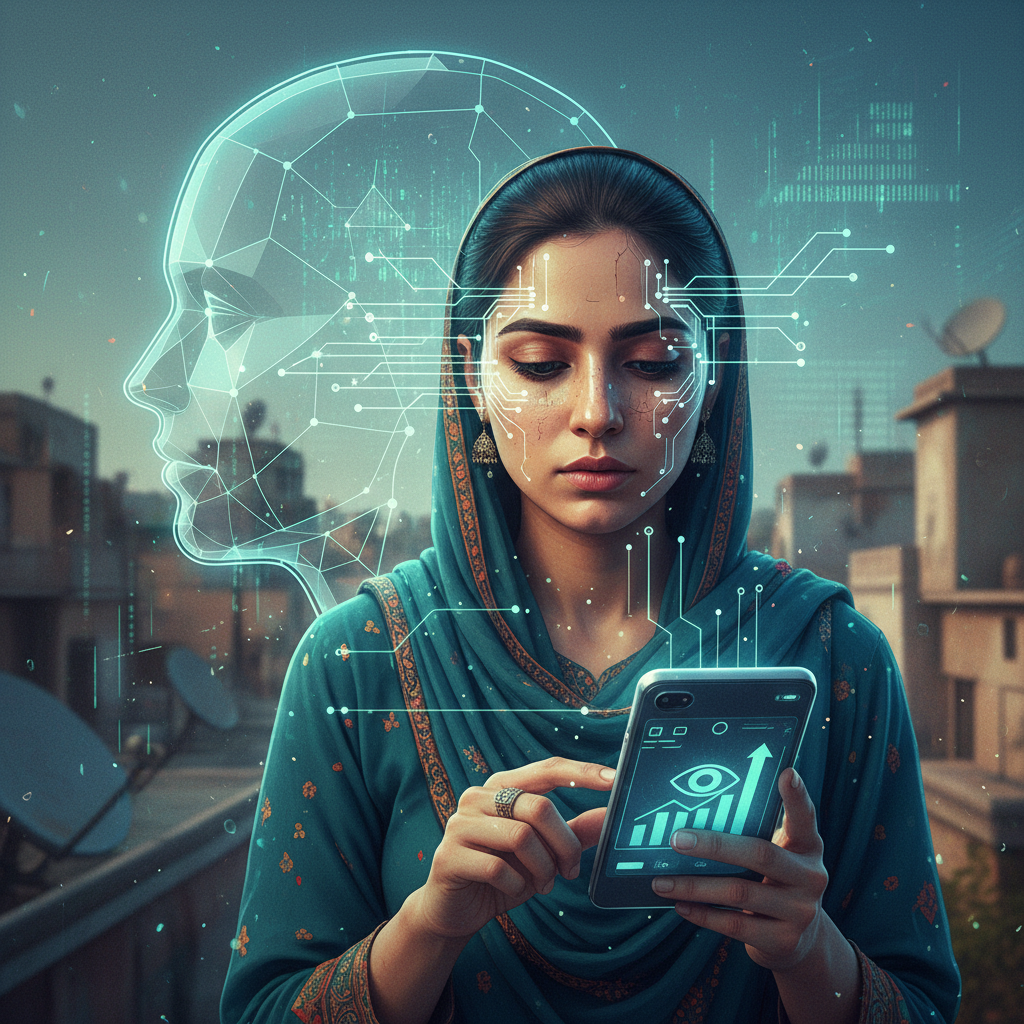

The morning mist in the Himalayas often hides more than just mountain peaks; it can conceal the very air we breathe, thick with pollutants traveling thousands of kilometers. Down south, the Bay of Bengal, usually a source of life, now frequently threatens coastal communities with its rising fury. India, a land of immense beauty and diverse ecosystems, stands at a critical crossroads, facing some of the most pressing environmental challenges of our time. But here, amidst the ancient rhythms and modern aspirations, a quiet revolution is brewing, powered by artificial intelligence.
For too long, environmental monitoring felt like a game of catch-up, a reactive scramble to fix what was already broken. Now, the story is changing. AI is not just a tool for big tech companies or urban centers; it is becoming a vital partner for our scientists, our farmers, and our local communities, helping them understand, predict, and respond to environmental shifts with unprecedented speed and accuracy. This story will change how you think about AI's role in safeguarding our planet.
Take the air we breathe, for instance. Our cities, from Delhi to Mumbai, often grapple with alarming pollution levels. Traditional monitoring stations are expensive and sparse, leaving vast areas unchecked. But what if every street corner, every bus stop, could tell us about the air quality? That is the vision behind initiatives like the 'Project Vayu' in Bengaluru, where researchers are deploying low-cost sensors integrated with AI models. These models learn patterns from existing data, correlate them with satellite imagery and traffic flows, and then predict localized pollution hotspots with remarkable precision. Imagine knowing exactly when and where to avoid outdoor activities, or when to deploy air purifiers in schools. It is a game-changer for public health.
Dr. Anjali Sharma, a lead environmental scientist at the Indian Institute of Tropical Meteorology in Pune, shared her excitement with me. “AI allows us to move beyond mere observation. We are building predictive models that can forecast smog events days in advance, giving municipal corporations and citizens crucial time to prepare,” she explained, her voice echoing with the passion of someone deeply invested in her work. “We are talking about saving lives, reducing respiratory illnesses, and making informed policy decisions based on real-time, granular data, not just broad averages.” Her team is also using AI to analyze historical weather patterns, identifying subtle shifts that might indicate larger climate trends, a task that would be impossible for human analysts alone.
Beyond the air, our vast coastlines and precious water resources are under constant threat. Rising sea levels, ocean acidification, and plastic pollution are not abstract concepts here; they are daily realities for millions. In Gujarat's diamond district, AI sparkles differently, not just in commerce, but in conservation. Startups are using AI-powered drones and satellite imagery to monitor coastal erosion, track illegal dumping, and even identify changes in mangrove cover, a natural barrier against storm surges. These mangroves, vital ecosystems, are often overlooked, but AI is giving them a voice, highlighting their decline or resurgence in specific areas.
Meet the woman who is leading one such initiative, Ms. Priya Singh, CEO of OceanGuard AI, a startup based out of Ahmedabad. “Our AI algorithms can distinguish between different types of marine debris from drone footage, helping clean-up crews prioritize their efforts,” she told me, her eyes sparkling with determination. “We are also developing models to predict tidal surges and coastal flooding with greater accuracy, giving fishing communities and coastal towns precious hours to evacuate or secure their livelihoods. It is about empowering people with knowledge.” Her company is collaborating with local fishing communities, integrating their traditional knowledge of the seas with cutting-edge AI insights.
The agricultural sector, the backbone of India’s economy, is also feeling the transformative touch of AI in climate science. Farmers, often at the mercy of erratic weather patterns, are now leveraging AI to make more resilient choices. From predicting monsoon onset and intensity to identifying crop diseases early using image recognition from drone-mounted cameras, AI is helping mitigate climate risks. The Indian Council of Agricultural Research (icar) is piloting AI-driven advisory services in several states, providing hyper-localized weather forecasts and soil health recommendations. This means less water waste, optimized fertilizer use, and ultimately, more food security for our growing population.
The challenge, of course, is not just technological. It is about access, affordability, and integration into existing systems. Many remote villages still lack reliable internet connectivity, a prerequisite for cloud-based AI solutions. However, innovators are working on edge computing solutions, where AI processing happens directly on devices, reducing reliance on constant connectivity. The government, too, is playing a crucial role, investing in digital infrastructure and promoting AI literacy. The National AI Strategy, outlined by Niti Aayog, emphasizes the ethical and inclusive deployment of AI across critical sectors, including environmental protection. More details on such initiatives can often be found on platforms like MIT Technology Review.
There is also the immense data challenge. Training robust AI models requires vast amounts of high-quality data, and in a country as diverse as India, collecting and standardizing this data is a monumental task. Organizations like the Indian Space Research Organisation (isro) are contributing significantly, providing satellite data that forms the bedrock for many environmental AI applications. Their Earth observation satellites are constantly beaming down information, which, when processed by AI, reveals insights into deforestation, water body changes, and urban sprawl.
As I reflect on these stories, I am filled with a sense of cautious optimism. AI is not a magic wand that will solve all our environmental woes overnight. It is a powerful amplifier of human ingenuity and effort. It helps us see the unseen, predict the unpredictable, and act with greater purpose. The journey is long, and the challenges are immense, but with every scientist like Dr. Sharma, every entrepreneur like Ms. Singh, and every community embracing these new tools, India is forging a path towards a more sustainable and resilient future. We are learning to listen to our planet with new ears, and AI is helping us hear its whispers, its warnings, and its hopes. For a broader look at how AI is shaping our world, resources like Wired offer fascinating perspectives.
This is not just about technology; it is about our shared future, our children’s future, and the very air and water that sustain us. It is about harnessing the power of innovation to protect the timeless beauty of our land. The potential for AI to revolutionize how we approach climate science and environmental monitoring is immense, and India is proving to be a vibrant laboratory for these critical advancements. You can find more about the latest AI developments and their impact on various industries on platforms such as TechCrunch. The journey has just begun, and it promises to be one of the most important stories of our generation.