The vibrant bazaars of Tashkent, with their riot of colors and textures, have always been a testament to our region's rich textile heritage. From intricate suzani embroidery to the flowing silks of ikat, fashion here is deeply rooted in tradition and craftsmanship. Yet, even in this ancient land, the winds of change are blowing, carried by the digital currents of artificial intelligence. It is a fascinating juxtaposition, this blend of old and new, and at its heart, I found a story that truly captured my imagination: the journey of Zeekit, an Israeli AI fashion startup, whose technology is beginning to touch corners of the world, including our own.
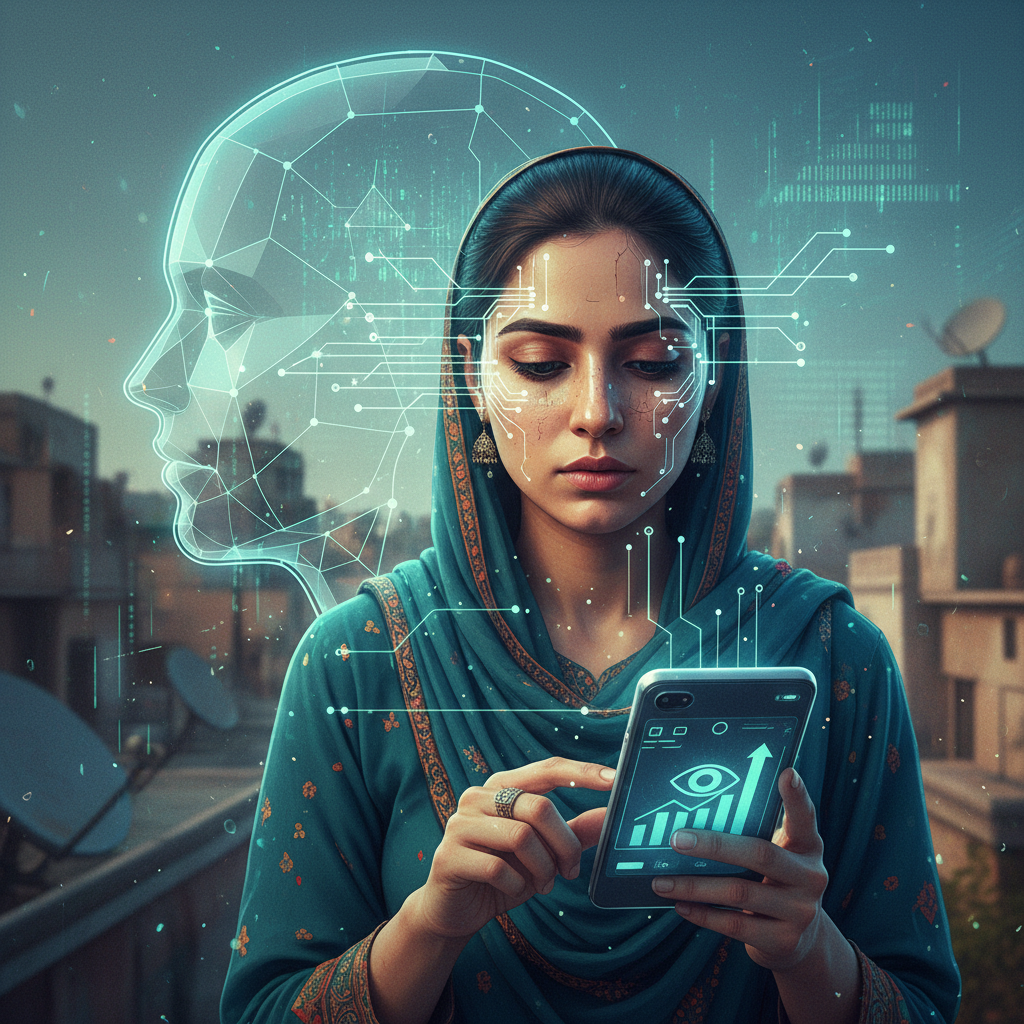
My journey to understand this phenomenon began not in the glittering fashion capitals of Europe, but in a small office in Tashkent, where a local e-commerce entrepreneur, Gulnara Karimova, was excitedly demonstrating a new feature on her online boutique. "Bintà, look at this," she urged, her eyes sparkling. "My customers can now 'try on' clothes without ever touching them. It is like magic, but it is science." She showed me something remarkable: a customer's uploaded photo, instantly adorned with a dress from Gulnara's collection, rendered with astonishing realism. The fabric draped naturally, the fit adjusted to the body shape, and the colors popped. This, I learned, was Zeekit in action.
Founded in 2014 by Yael Vizel, Alon Schwartz, and Nir Appelbaum, Zeekit emerged from a very personal frustration. Yael, a former Israeli Air Force pilot with a background in electrical engineering, often spoke of her own struggles with online shopping, particularly the uncertainty of fit and appearance. This 'aha moment' sparked the idea: what if you could truly see how clothes would look on you, virtually, before buying? This wasn't just about convenience, it was about confidence and reducing the environmental footprint of returns, a problem that plagues the global fashion industry.
Zeekit's core technology is a sophisticated blend of computer vision, deep learning, and 3D modeling. When a user uploads a photo, the system first analyzes their body shape, posture, and dimensions. Then, it takes a 2D image of a garment and, using advanced algorithms, virtually 'drapes' it onto the user's body, accounting for fabric texture, movement, and light. It is far more complex than a simple photo overlay. The AI understands how different materials behave, how a silk blouse will fall versus a denim jacket, creating a hyper-realistic simulation. This level of detail is what sets it apart, making the virtual try-on experience genuinely useful and engaging for consumers.
For businesses like Gulnara's, the benefits are clear. "Before Zeekit, our return rates for clothing were nearly 30 percent, mostly due to sizing or customers simply not liking how an item looked on them," Gulnara explained. "Now, that number has dropped significantly, saving us money and reducing waste. Our customers are happier, and they buy more." This sentiment is echoed globally. According to a report by Reuters, virtual try-on technologies are projected to significantly reduce return rates in e-commerce, which can cost retailers billions annually. The market opportunity for such solutions is immense, as online fashion retail continues its rapid expansion.
The fashion industry, traditionally slow to adopt technology, is now embracing AI with open arms. Beyond virtual try-on, AI is being used for trend prediction, supply chain optimization, and even sustainable design. Zeekit, however, carved out a niche in the crucial 'consideration' phase of the customer journey. Their success did not go unnoticed. In May 2021, the company was acquired by Walmart, the retail giant, for an undisclosed sum, reportedly in the hundreds of millions of dollars. This acquisition underscored the strategic importance of virtual try-on technology for major retailers looking to enhance the online shopping experience and compete with brick-and-mortar stores.
The competitive landscape in AI fashion is growing. Companies like ModiFace, acquired by L'Oréal, specialize in beauty try-on, while others like Fit Analytics, acquired by Snap, focus on sizing recommendations. However, Zeekit's strength lies in its realistic garment rendering and its ability to integrate seamlessly into various e-commerce platforms. Their technology is not just a gimmick; it addresses a fundamental pain point for both consumers and retailers. For a region like Central Asia, where e-commerce is still developing but growing rapidly, such tools are transformative. They democratize access to a wider range of fashion, allowing even small boutiques to offer a sophisticated online experience that rivals global players.
What truly excites me about Zeekit's impact here is its potential to empower local designers and artisans. Imagine a young Uzbek designer, creating unique pieces inspired by our cultural heritage, now able to showcase their collection to a global audience with the same cutting-edge virtual try-on technology used by international brands. This levels the playing field, allowing Central Asia's best-kept secret, our incredible talent and craftsmanship, to shine on the world stage. "It is not just about selling more clothes," said Professor Azizbek Saidov, head of the Digital Economy Department at Tashkent State University of Economics. "It is about building trust in online retail, fostering digital literacy, and creating new opportunities for our creative industries. AI is not just a tool; it is an enabler of economic growth and cultural exchange." His words resonated deeply with my own observations.
Looking ahead, the integration of AI into fashion will only deepen. We are already seeing generative AI being used to design new patterns and even entire collections. Virtual try-on could evolve into fully immersive metaverse experiences, where digital avatars wear digital clothing, blurring the lines between the physical and virtual. For Zeekit, now part of Walmart's extensive ecosystem, the future likely involves scaling their technology to millions of products and users, refining the realism, and perhaps even expanding into augmented reality applications for in-store experiences. The company's founders, Yael Vizel, Alon Schwartz, and Nir Appelbaum, continue to play key roles in this evolution within Walmart's global tech team.
The story of Zeekit is a powerful reminder that innovation can come from anywhere, and its impact can ripple across continents, touching lives in unexpected ways. From a personal frustration in Israel to empowering small businesses in Uzbekistan, this AI startup is not just selling clothes; it is selling confidence, convenience, and a glimpse into a more sustainable and digitally connected future for fashion. It is a future where the rich tapestry of global cultures, including our own, can find new ways to express themselves and connect with the world, one virtual outfit at a time. The journey of these threads, woven by AI, is only just beginning, and I, for one, am excited to see where it leads us next. For more insights into how startups are shaping the global tech landscape, you can often find compelling stories on TechCrunch.