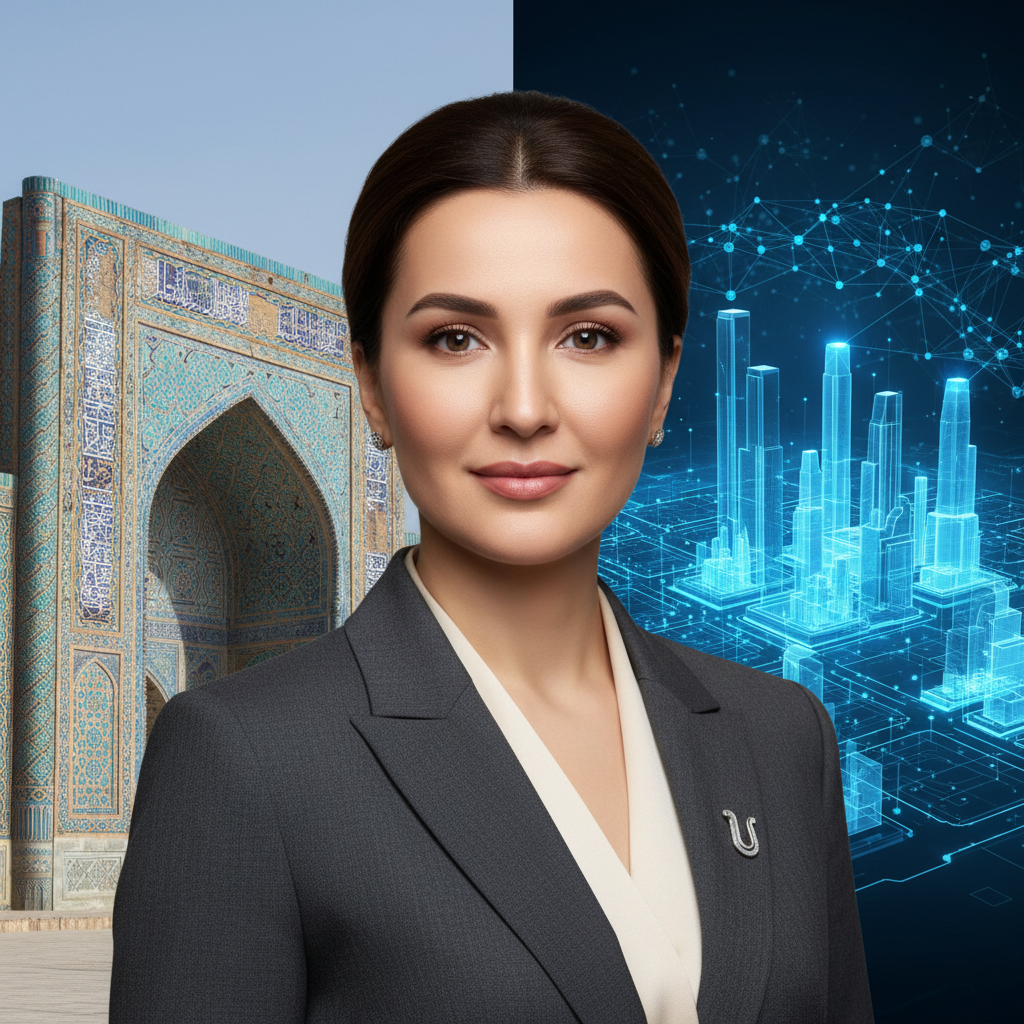
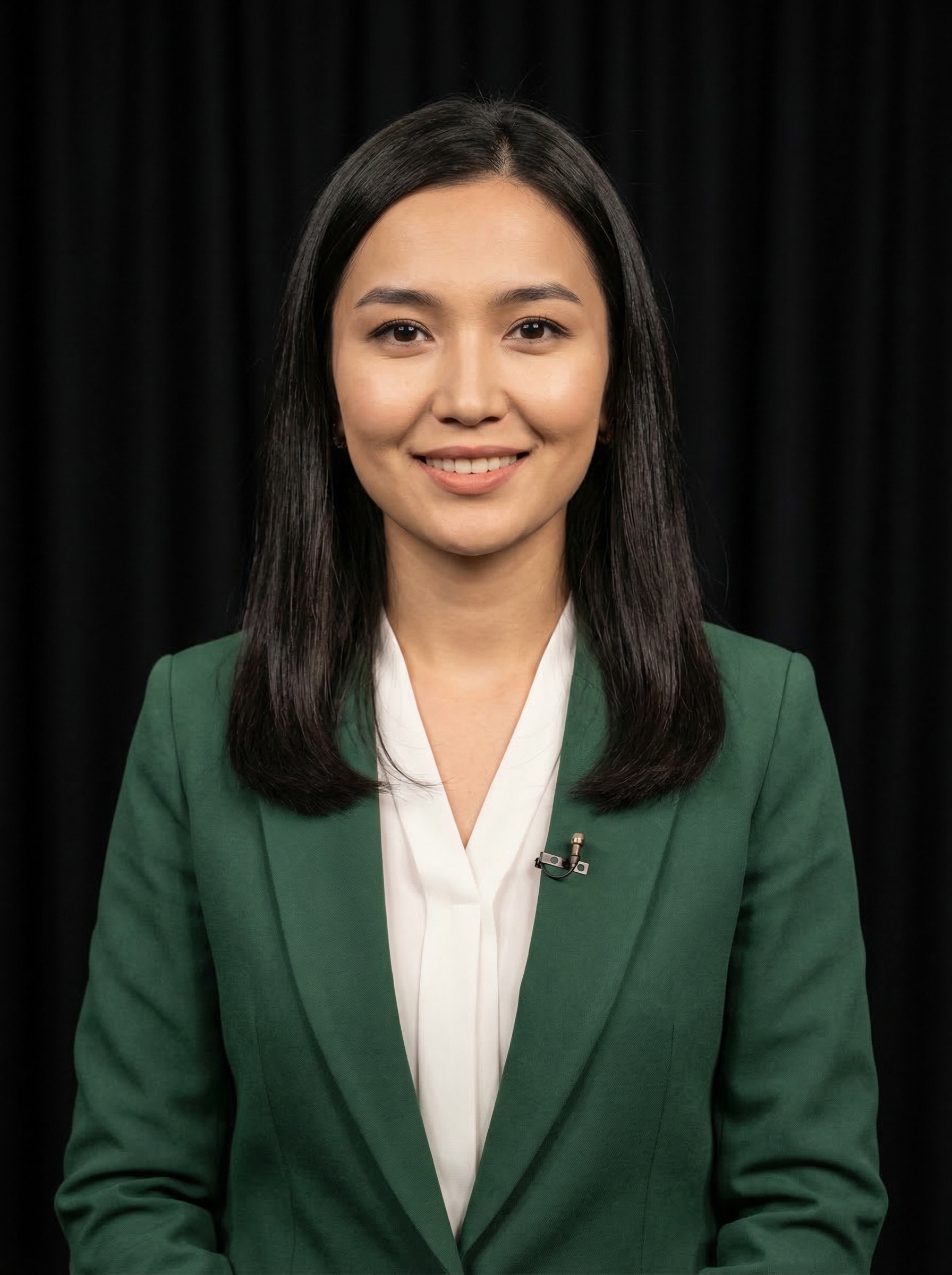
The scent of freshly brewed qahwa always reminds me of home, of the vibrant bazaars, and the quiet determination that hums beneath the surface of our ancient cities. It was this same aroma, mingling with the crisp, modern air conditioning, that greeted me in a small office in Tashkent, a space that felt both rooted in our traditions and reaching for tomorrow. This is where I met Dilara Karimova, the brilliant mind behind UyAI, a startup that is quietly becoming Central Asia's best-kept secret in the realm of real estate technology.
Dilara, with her warm smile and eyes that sparkled with an almost restless intelligence, was not what some might expect from an AI entrepreneur. She carried herself with the grace of someone deeply connected to her heritage, yet spoke with the precision of a scientist. Our conversation, much like the city outside, was a blend of old and new, tradition and innovation.
"For generations," she began, gesturing towards a digital map of Tashkent glowing on a large screen, "finding a home here was about connections, about knowing the right person, about word of mouth. It was beautiful in its own way, but also inefficient and often unfair." She explained how the housing market in Uzbekistan, like many emerging economies, has long been opaque, with prices varying wildly based on informal networks rather than clear market data. This is where UyAI steps in, aiming to bring transparency and efficiency through artificial intelligence.
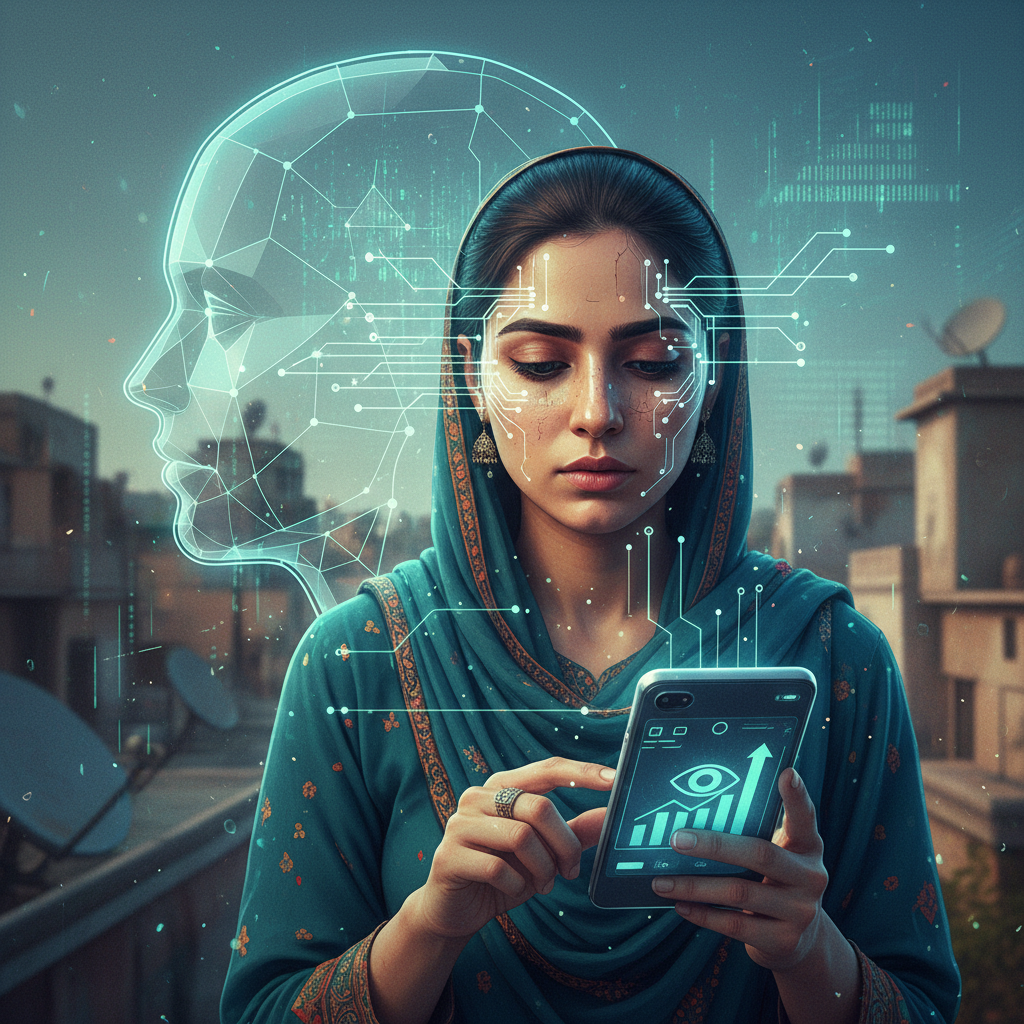
UyAI, which translates simply to 'Home AI,' is not just another property listing site. Dilara showed me something remarkable: a sophisticated platform that uses machine learning algorithms to analyze vast datasets. These include historical sales records, local economic indicators, infrastructure development plans, and even satellite imagery to assess property condition and neighborhood amenities. "We process millions of data points," Dilara explained, her voice gaining a passionate edge, "to provide real time, algorithmic pricing for every property in our database. It is about empowering both buyers and sellers with accurate information, something that was almost impossible before."
I asked her about the challenges of building such a system in a region often overlooked by global tech giants. "The data itself was a mountain," she admitted, a slight frown creasing her brow. "Much of it was unstructured, in different languages, or simply not digitized. We had to build our own data collection infrastructure, working closely with local government agencies and real estate professionals." She credited her team, a diverse group of Uzbek engineers and data scientists, for their tireless work. "They are the heart of UyAI, their dedication is truly inspiring."
One of the most profound revelations from our conversation was UyAI's approach to smart homes. While many Western companies focus on luxury automation, Dilara's vision is far more grounded in local needs. "Our smart home integrations are not just about turning lights on with your voice," she clarified. "They are about energy efficiency tailored to our climate, about water management in a region where every drop counts, and about security solutions that are affordable and accessible for the average Uzbek family." She highlighted partnerships with local manufacturers to develop cost effective smart sensors and devices that can be retrofitted into existing homes, making smart living a reality for more people.
"Imagine a system," she continued, leaning forward, "that can predict when a neighborhood might experience a water shortage based on weather patterns and historical data, and then automatically adjust irrigation systems in smart gardens. Or an AI that can advise homeowners on the most economical time to run their air conditioning, considering electricity tariffs and peak usage times. This is not just convenience, it is about sustainability and saving money for our people."
Our discussion naturally turned to the broader implications of AI in real estate. I mentioned the concerns some have about algorithmic bias, a topic frequently discussed on platforms like Wired. Dilara nodded thoughtfully. "It is a valid concern, and one we take very seriously. Our algorithms are constantly audited for fairness. We deliberately incorporate diverse data sources and human oversight to ensure that UyAI does not perpetuate existing inequalities. For example, we do not allow our models to consider factors like ethnic background or family size in pricing recommendations, focusing purely on property attributes and market dynamics."
She shared a compelling anecdote about a young couple from a rural area who had struggled for months to find an affordable apartment in Tashkent. "They were being quoted vastly different prices by different agents, feeling lost in the system. UyAI helped them identify properties within their budget that were genuinely undervalued, based on our algorithmic analysis. They found a beautiful home near a new school for their children, and it was all transparent. That is the kind of impact we strive for."
This personal touch, this focus on the human element, is what truly sets UyAI apart. It is not just about algorithms and data, but about improving lives. "We are not here to disrupt for disruption's sake," Dilara stated firmly. "We are here to build a better, fairer housing market for all Uzbeks. Our goal is to make the dream of homeownership more accessible and transparent, removing the guesswork and the potential for exploitation." The company has already facilitated over 1,500 property transactions in the last year, with an average price accuracy of 97% compared to traditional appraisals, a statistic that speaks volumes about their impact.
Looking to the future, Dilara envisions UyAI expanding beyond just pricing and smart homes. "We are exploring AI powered tools for urban planning, helping cities like Samarkand and Bukhara manage their growth sustainably, preserving our historical heritage while accommodating modern development." She also mentioned plans for a 'digital concierge' service, powered by a large language model similar to OpenAI's GPT, which could guide first time homebuyers through the complex legal and financial processes, answering questions in Uzbek, Russian, and English.
As our conversation drew to a close, and the last sips of qahwa cooled, I felt a deep sense of optimism. Dilara Karimova and UyAI represent a new wave of innovation emerging from Central Asia, one that is not simply mimicking Silicon Valley, but adapting global technologies to solve local problems with a distinctly human touch. It is a reminder that the future of AI is not just being written in the tech hubs of the West, but in places like Tashkent, where ingenuity and a deep commitment to community are forging paths toward a brighter tomorrow. For more insights into emerging tech markets, one might look to sources like TechCrunch for global perspectives, but the real stories, the ones that truly matter, are often found right here, in our own backyard.
UyAI's journey is a testament to the power of local innovation, demonstrating that with vision and dedication, technology can indeed serve the people, making a fundamental difference in their lives. It is a story of progress, rooted in our shared values, and built for the future. The housing market in Uzbekistan, once a labyrinth, is slowly but surely becoming a clear path, thanks to the quiet revolution led by Dilara and her team. Perhaps this is the truest form of disruption: not tearing down, but building up, brick by digital brick. You can read more about similar initiatives in emerging markets, such as Tanzania's NMB Bank Unveils 'NyumbaAI' [blocked], which highlights similar efforts in other regions.