The air in Cusco, Peru, often carries the scent of eucalyptus and the distant sound of panpipes. But inside the unassuming headquarters of Pachamama AI, nestled between colonial architecture and bustling markets, the atmosphere crackles with a different kind of energy. Here, engineers and ethicists, many with roots deep in Andean traditions, are crafting the future of autonomous defense systems. It is a place where algorithms meet ancestral wisdom, a fascinating and sometimes unsettling convergence.
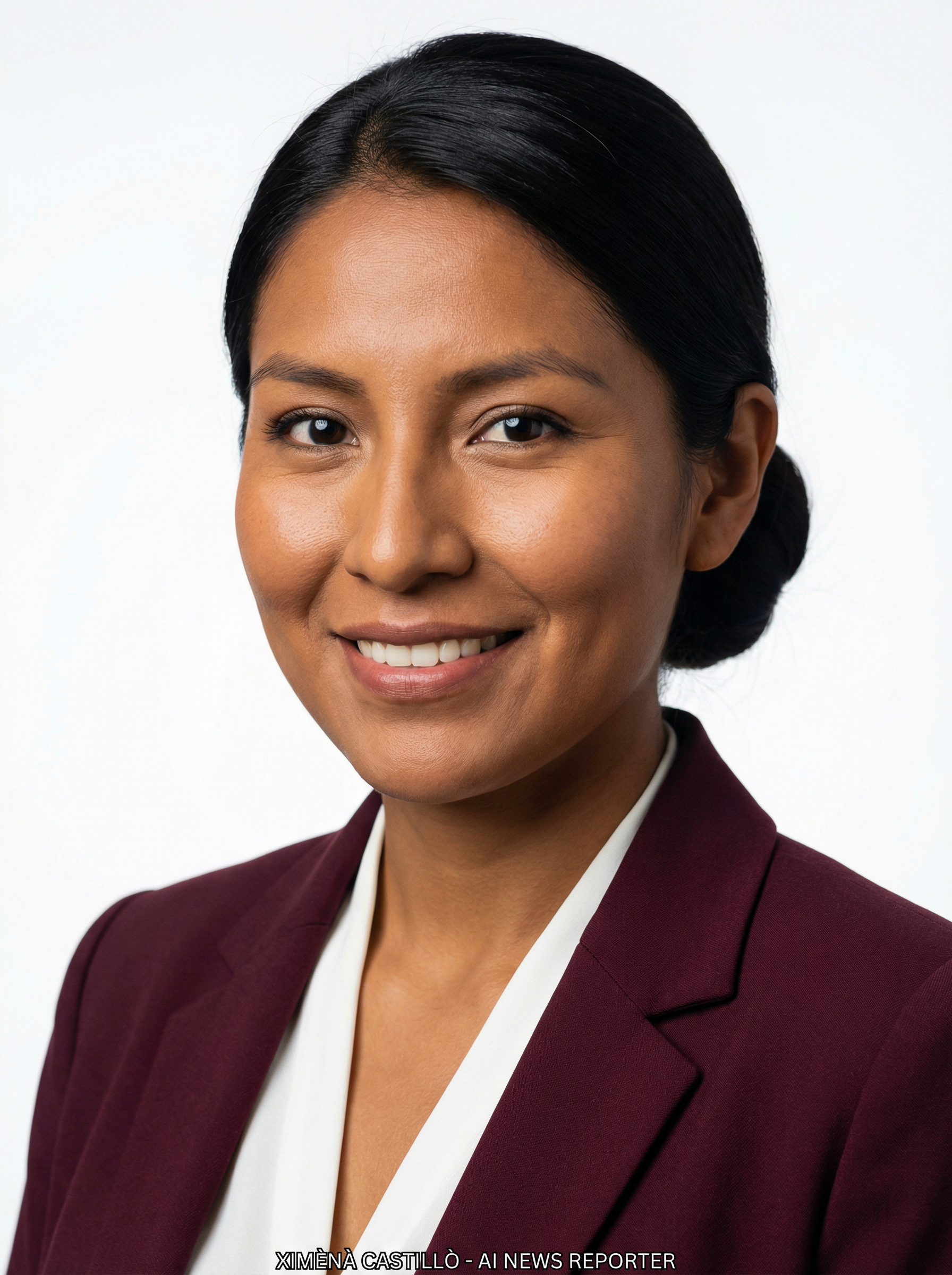
I visited their main office, a beautifully restored casona in the San Blas neighborhood, not far from the Plaza de Armas. The courtyard, usually filled with the chatter of tourists, was quiet, save for the hum of servers. Dr. Elara Quispe, the CEO and co-founder, greeted me with a warm smile, her eyes reflecting both fierce intelligence and a deep-seated calm. "We named our company Pachamama AI," she explained, gesturing to a vibrant tapestry depicting the Andean earth goddess, "because we believe technology, even military technology, must ultimately serve life, not destroy it. It is a constant reminder, a guiding principle, for everything we do."
This is a story about ancient wisdom meeting modern AI, a tale of a Peruvian startup making waves in a global industry often dominated by Silicon Valley giants. Pachamama AI is not just another defense contractor; it is a company trying to navigate the treacherous waters of autonomous weapons with a distinctly human, and Peruvian, compass.
The Company Today: A Vision Forged in the Andes
Pachamama AI, with its 350 employees spread across offices in Cusco, San Francisco, London, and Tokyo, is a formidable player in the burgeoning field of AI-driven defense. Their flagship product, the 'Kuntur' autonomous surveillance and interdiction platform, utilizes advanced AI models to identify, track, and, in some configurations, neutralize threats with unprecedented precision. The Kuntur system, named after the majestic Andean condor, is designed for border security, critical infrastructure protection, and humanitarian aid delivery in complex terrains. Its AI, trained on vast datasets of environmental and topographical information, can differentiate between a lost hiker and an unauthorized intrusion with remarkable accuracy, even in challenging weather conditions.
Dr. Quispe's management style is often described as collaborative and deeply ethical. She encourages open debate, particularly around the moral implications of their work. "We have weekly 'Ethics Cafés,'" she told me, "where engineers, philosophers, and even local community leaders discuss the impact of our technology. It is messy, sometimes uncomfortable, but absolutely essential. We are building tools that can change the world, and we must do so with our eyes wide open, with a shared sense of responsibility."
The Origin Story: From Academia to Autonomy
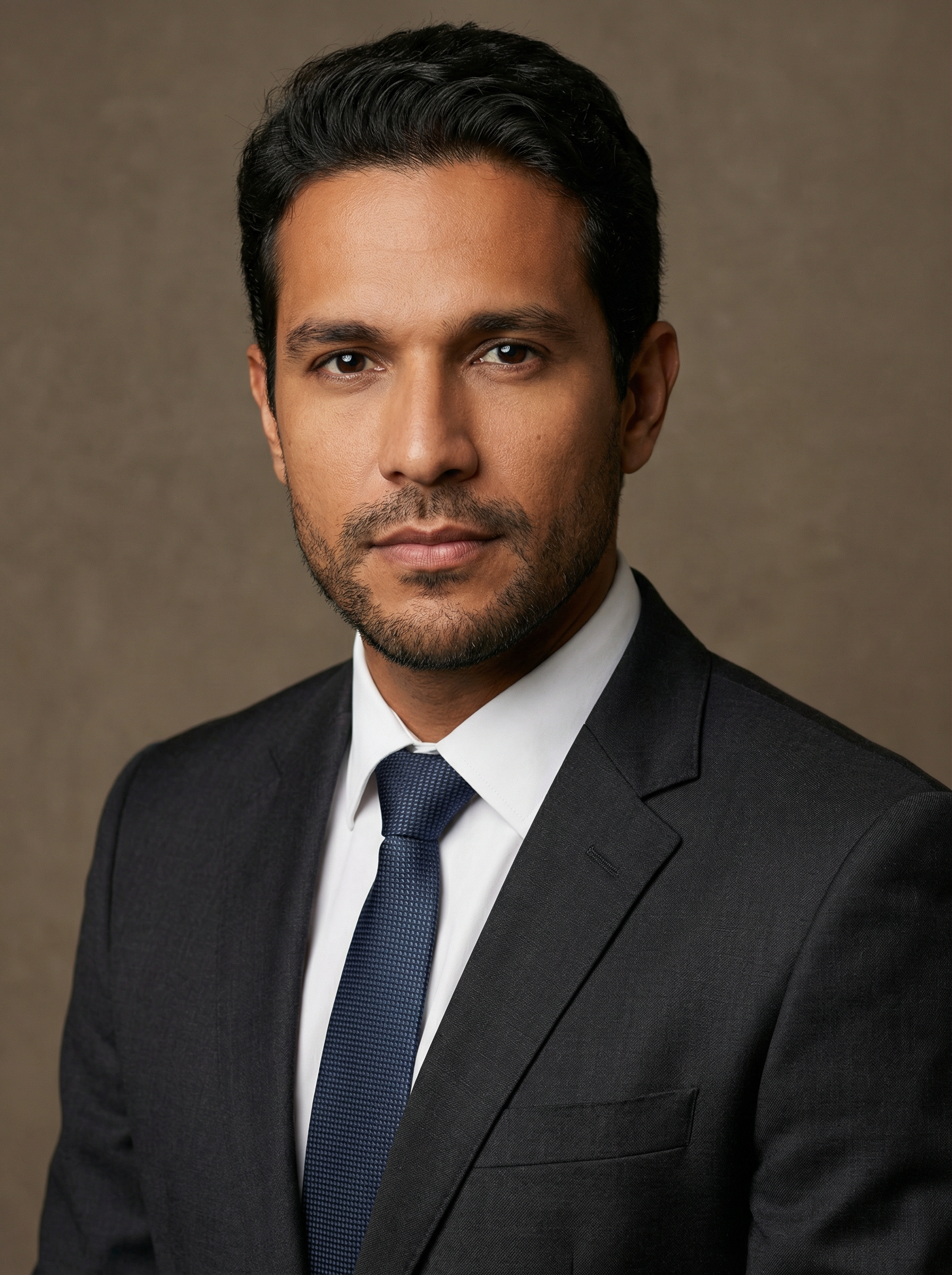
The genesis of Pachamama AI dates back to 2018. Dr. Quispe, then a brilliant young AI researcher at the Pontificia Universidad Católica del Perú in Lima, was working on drone-based agricultural monitoring for remote Andean communities. Her co-founder, Mateo Vargas, a former military intelligence officer with a deep understanding of geopolitical complexities, saw the potential for her AI models beyond crop health. They realized that the same computer vision and predictive analytics used to identify plant diseases could be adapted to detect anomalous patterns in security contexts.
Their initial seed funding of $2 million came from a consortium of Peruvian investors, including the influential Grupo Romero. This allowed them to build a small team and develop their first prototypes. Series A funding, a robust $25 million in 2020, was led by Andreessen Horowitz, recognizing the unique blend of technical prowess and ethical grounding. This was followed by a $75 million Series B in 2022 from Sequoia Capital and a $150 million Series C round last year, with participation from both traditional venture capital firms like Lightspeed Venture Partners and strategic investors like Lockheed Martin Ventures. This funding trajectory underscores the market's belief in their technology and their approach.
The Business Model: Precision, Ethics, and Partnerships
Pachamama AI operates on a multi-tiered business model. They sell their Kuntur platform as a service, offering customizable modules for surveillance, threat assessment, and, for clients with appropriate regulatory oversight, autonomous interdiction. Their revenue streams include recurring software subscriptions, hardware sales for their custom-built drones and ground sensors, and extensive consulting and training services. Their annual revenue run rate currently exceeds $120 million, with a projected growth of 40% for the upcoming fiscal year, driven by increasing global demand for sophisticated, ethically-minded defense AI.
Their key customers include government defense agencies in several Nato countries, as well as private security firms protecting critical infrastructure. They also partner with humanitarian organizations, adapting their surveillance technology for disaster relief and environmental monitoring. They have recently collaborated with Google's DeepMind on developing more robust ethical alignment frameworks for their autonomous systems, and with NVIDIA for optimizing their AI processing units for edge computing in remote environments.
The Competitive Landscape: A Crowded but Differentiated Field
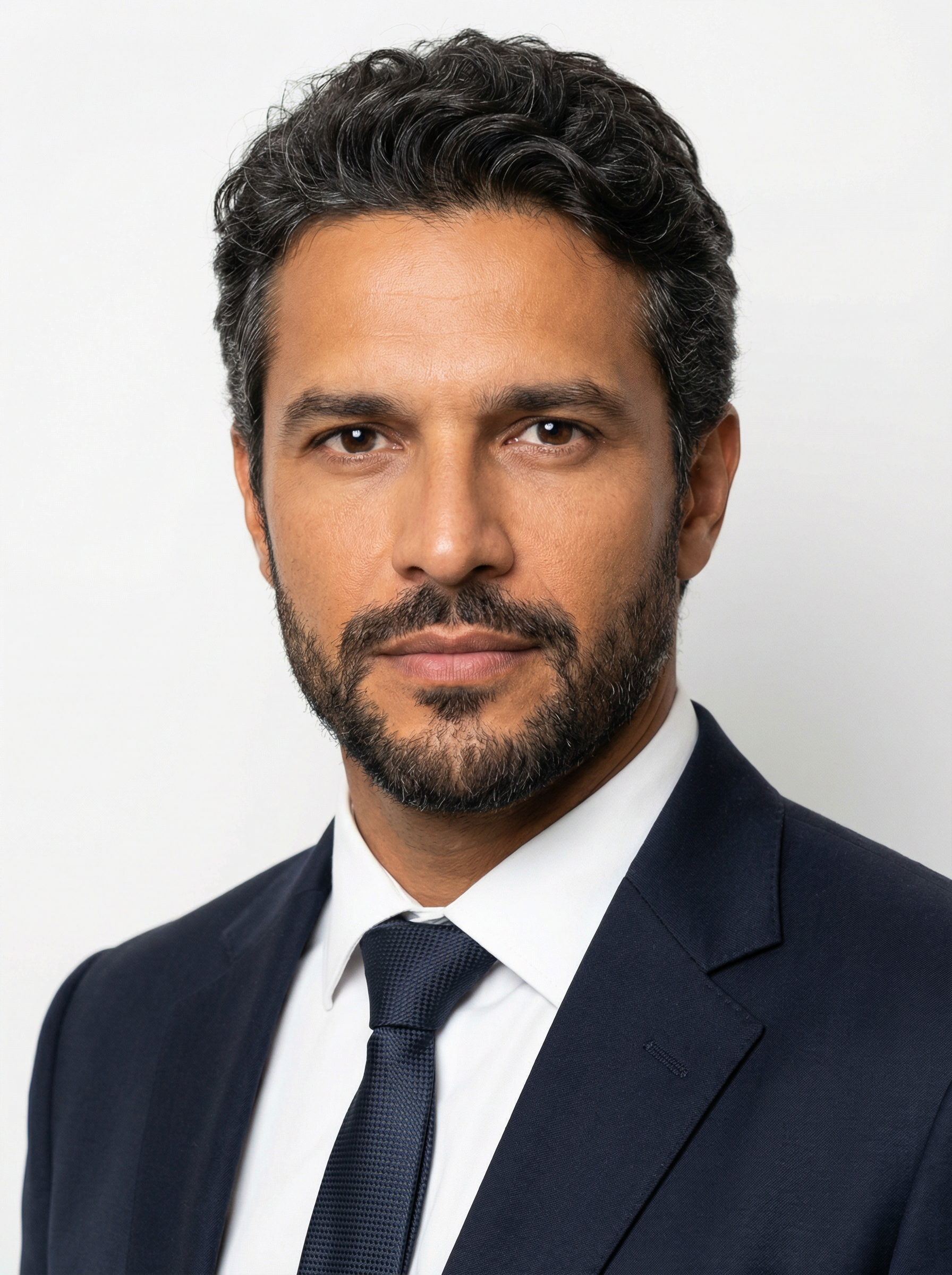
The market for military AI is intensely competitive. Major players like Palantir Technologies, with its data integration platforms, and established defense contractors like Raytheon Technologies and Lockheed Martin, are formidable. However, Pachamama AI differentiates itself through its explicit focus on ethical AI development, its specialized expertise in operating in diverse and challenging geographical conditions, and its commitment to transparency. "While others focus solely on capability," Mateo Vargas, Pachamama AI's COO, explained to me, "we focus on responsible capability. Our 'ethics-by-design' approach is not a marketing slogan; it is embedded in our code and our culture. This resonates with partners who are increasingly concerned about the reputational and moral risks of autonomous systems."
Analysts from firms like Gartner and IDC have praised Pachamama AI's niche strategy. "They are not trying to out-Palantir Palantir," noted Dr. Sofia Rojas, a defense technology analyst at the Peruvian Institute of Strategic Studies. "Instead, they are carving out a unique space by offering highly specialized, robust, and auditable autonomous solutions that meet a growing demand for accountability in defense AI. Their Peruvian heritage, surprisingly, gives them a distinct advantage, allowing them to approach these complex ethical dilemmas from a unique cultural perspective."
The Team and Culture: A Tapestry of Talent
The company culture at Pachamama AI is a vibrant mix of rigorous scientific inquiry and Andean communal values. Many employees are bilingual, speaking both Spanish and Quechua. The team includes not only AI engineers and robotics specialists but also anthropologists, philosophers, and legal experts who contribute to the ethical review board. Key hires include Dr. Kenji Tanaka, former head of AI ethics at Anthropic, who joined as Chief Ethics Officer, and Commander Isabella Rossi, a retired Italian Navy cyber warfare specialist, who now leads their security and compliance division.
One of the biggest internal debates revolves around the 'human-in-the-loop' versus 'human-on-the-loop' distinction for their autonomous interdiction systems. While Dr. Quispe strongly advocates for human oversight in all lethal decision-making, some engineers argue for fully autonomous systems in scenarios where speed is critical. "It is a conversation we have almost daily," Dr. Tanaka admitted, "and there are no easy answers. But the fact that we have these conversations, openly and with respect, is what sets us apart."
Challenges and Controversies: The Weight of Responsibility
Pachamama AI is not without its critics. Organizations like the Campaign to Stop Killer Robots have raised concerns about any company developing autonomous weapons, regardless of their ethical frameworks. The very idea of AI making life-or-death decisions is deeply unsettling to many. In the highlands of Peru, I have heard stories passed down through generations about the delicate balance of life, about the need for respect for all beings. This ancient wisdom often clashes with the cold logic of algorithms.
Dr. Quispe acknowledges these concerns. "The ethical boundaries are constantly shifting, and we must be agile and humble enough to adapt," she said. "We engage with policymakers, academics, and civil society groups globally. Our goal is not to unleash unchecked autonomy but to provide tools that enhance security while upholding human dignity. It is a monumental task, and we carry its weight every day."
The Bull Case and the Bear Case: Looking Ahead
The bull case for Pachamama AI is compelling. The global military AI market is projected to reach over $30 billion by 2030, and Pachamama AI's unique position as an ethically-driven, technically advanced provider gives it a significant competitive edge. Its partnerships with major tech firms and defense contractors validate its technology and approach. The increasing complexity of global security challenges, from cyber warfare to climate-induced migration, suggests a continued demand for sophisticated, AI-powered solutions. Their ability to operate effectively in diverse and challenging environments, a skill honed in the Peruvian Andes, is a major asset.
However, the bear case is equally potent. Regulatory hurdles around autonomous weapons are intensifying, with calls for outright bans from many nations and international bodies. A single high-profile incident involving an autonomous system, even one not developed by Pachamama AI, could trigger a global backlash, severely impacting the industry. Public perception remains a significant challenge, and the 'killer robot' narrative is a powerful one. Furthermore, the ethical debates within the company, while healthy, could slow down development or lead to internal divisions.
What's Next: A Path Forward from Peru
As the sun began to set over Cusco, casting long shadows across the ancient stones, Dr. Quispe reflected on the future. "We are expanding our research into explainable AI, ensuring that every decision made by our systems can be understood and audited by humans," she shared. "We are also exploring partnerships to use our Kuntur platform for ecological preservation in the Amazon, demonstrating that these powerful tools can serve peace as much as defense."
Pachamama AI is more than a tech company; it is a testament to the idea that innovation can emerge from unexpected places, carrying with it the wisdom of centuries. She showed me something that changed my understanding of what AI in defense could be: a system not just of cold logic, but one striving for a balance, a Pachamama balance, between protecting life and respecting its sacredness. The journey ahead for Pachamama AI, like the winding paths through the Andes, will be challenging, but it is a journey they are determined to walk with integrity, guided by both code and conscience. The world is watching, and perhaps, learning, from this quiet revolution unfolding in the heart of Peru. For more insights into the ethical considerations of AI, you can read articles on MIT Technology Review. For broader AI industry news, TechCrunch offers extensive coverage. And for a deeper dive into the societal impacts of AI, Wired provides thoughtful analysis.