
The flickering fluorescent lights of a small internet café in Amman, Jordan, might seem a world away from the gleaming campuses of Silicon Valley. Yet, it was in such humble settings that a young boy, Amjad Masad, first encountered the magic of a computer. He was just six years old, captivated by the blinking cursor, the endless possibilities. He didn't know it then, but that fascination would one day lead him to build Replit, a platform that is now redefining how the world codes, especially with the surge of AI.
Amjad's story is one of relentless curiosity and an unwavering belief in access. Born in a small village near Amman, he grew up without a computer at home, a common reality for many children in developing nations. His early coding lessons came from books, painstakingly translated from English to Arabic, and precious hours spent at internet cafes, often sacrificing lunch money for screen time. This personal struggle for access would become the bedrock of Replit's mission: to make programming accessible to everyone, everywhere. It’s a sentiment that resonates deeply in India, where millions of young minds yearn for similar opportunities, often with limited resources.
His journey took him from self-taught programmer to a key engineer at Facebook, then to Codecademy, and eventually to GitHub. Each step was a learning curve, a deeper dive into the world of software development, and a clearer vision of what was missing. He saw the friction, the setup woes, the barriers that kept so many potential creators from ever writing their first line of code. This insight, born from his own childhood experiences, was the seed for Replit.
The idea for Replit began to crystallize around 2016. Amjad, together with his co-founder Haya Odeh, envisioned an online integrated development environment, an IDE in the cloud, where anyone could write, run, and share code instantly, without needing to install complex software. It was about lowering the barrier to entry, making coding as simple as opening a web browser. "We wanted to take away all the friction points," Amjad once shared in an interview, "so you could just focus on creating." This philosophy quickly attracted a global community, including a significant user base from India, where internet access is widespread but powerful computing resources for every student are not.
Building Replit was not without its challenges. The early days were a lean operation, fueled by passion and a clear mission. They faced the typical startup hurdles: securing funding, attracting talent, and scaling infrastructure to support a rapidly growing user base. But their dedication paid off. Replit grew from a niche tool for educators and beginners into a powerful platform used by millions of developers, from students learning Python to professionals prototyping complex applications.
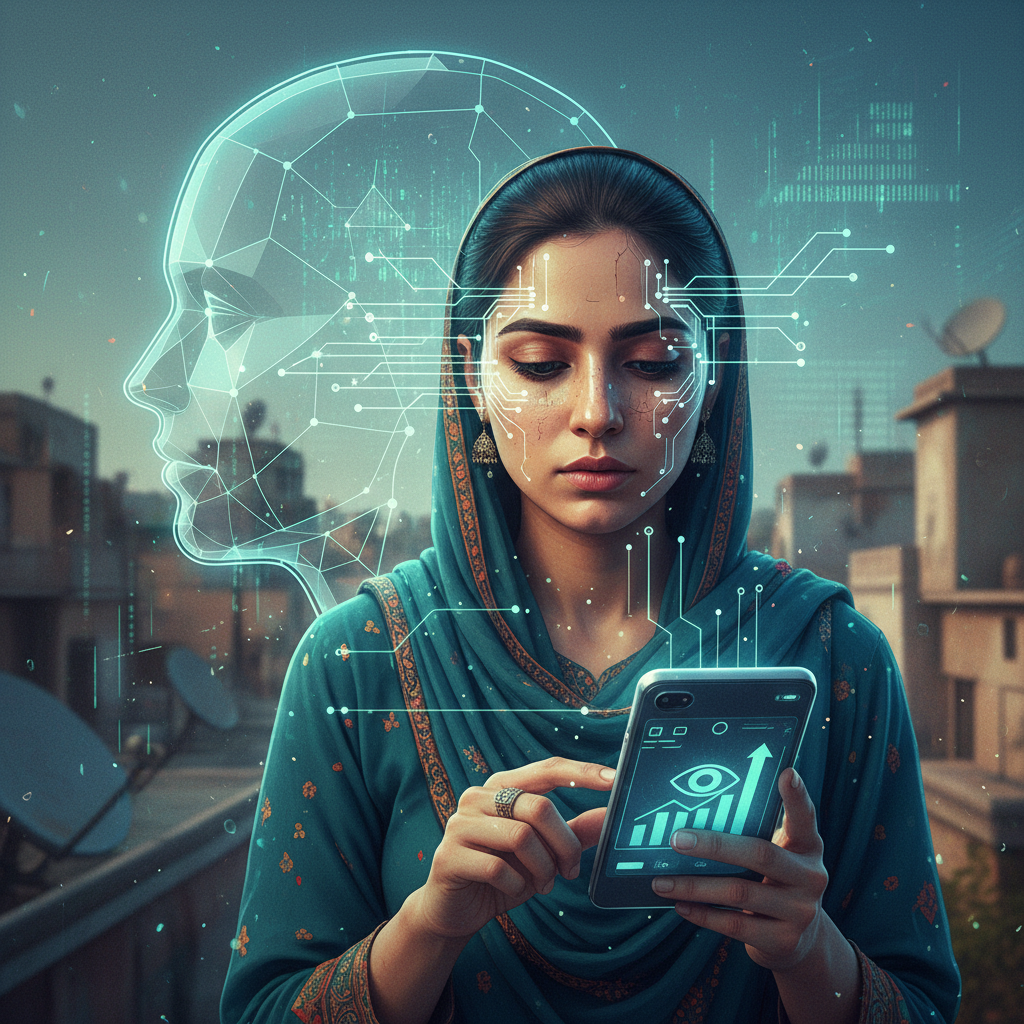
Then came the AI revolution. As large language models like OpenAI's GPT and Google's Gemini began to show their incredible potential, Amjad saw an opportunity, not just to integrate AI, but to fundamentally transform the coding experience. Replit's pivot from a coding playground to an AI-powered software development platform was a natural evolution, yet a bold strategic move. They introduced Ghostwriter, an AI coding assistant that could generate code, explain complex snippets, and even debug programs. It was like having an expert co-pilot for every developer, available 24/7.
This story will change how you think about AI in development. Ghostwriter, now known as Replit AI, isn't just a fancy autocomplete; it's a paradigm shift. It empowers junior developers to tackle more complex tasks, helps seasoned engineers accelerate their workflow, and perhaps most importantly, makes coding less intimidating for newcomers. Imagine a student in a small Indian village, learning to code, now having an AI assistant to guide them through errors and suggest solutions. This is the democratizing power Amjad envisioned.
Replit's growth has been phenomenal. By early 2023, the company had reportedly raised over $200 million from prominent investors like Andreessen Horowitz and Coatue, with a valuation exceeding $1 billion. This success is not just about financial metrics; it's about impact. Millions of developers across 200 countries use Replit, with a substantial and active community in India. The platform has become a launchpad for countless projects, startups, and educational initiatives.
Amjad himself remains deeply involved in the product and the community. He's known for his candid insights on social media and his relentless pursuit of innovation. He often speaks about the future of software development, emphasizing the symbiotic relationship between humans and AI. "AI isn't here to replace developers; it's here to augment them, to make them superpowers," he stated in a recent interview, a sentiment echoed by many industry leaders, including Satya Nadella of Microsoft.
The company continues to push boundaries, exploring how AI can further streamline the development lifecycle, from ideation to deployment. They are not just building tools; they are building a future where anyone with an idea can bring it to life through code, regardless of their background or resources. This vision is particularly potent in a country like India, with its vast talent pool and burgeoning tech ecosystem. Initiatives like Replit's can significantly contribute to India's ambition of becoming a global AI and software development hub.
For many, Replit is more than just a coding platform; it's a testament to the idea that great innovation can come from anywhere, and that technology, when wielded with empathy, can truly empower. Amjad Masad, the boy who once yearned for a computer, has built a world where millions can now code, create, and dream, all within the browser. His journey reminds us that the most impactful technologies are often those that solve deeply personal problems, scaled to touch the lives of many. It’s a story of global ambition, rooted in a very human desire to build and share. The next generation of Indian developers, I believe, will find their wings on platforms like Replit, shaping a future where coding is truly for everyone. You can explore more about the evolving landscape of AI in development on platforms like TechCrunch and Wired. The digital revolution continues, and people like Amjad are leading the charge, ensuring that the spark of creation is never extinguished by technical hurdles.