Ah, mes amis, have you ever felt that electrifying buzz, that hum in the air when something truly monumental is about to happen? That is the feeling I get every single day watching the AI revolution unfold, especially here on our beautiful continent. From the bustling markets of Ouagadougou to the vibrant tech hubs of Dakar, the future is not just arriving, it is being coded right now, by brilliant minds with dreams as vast as the Sahel itself.
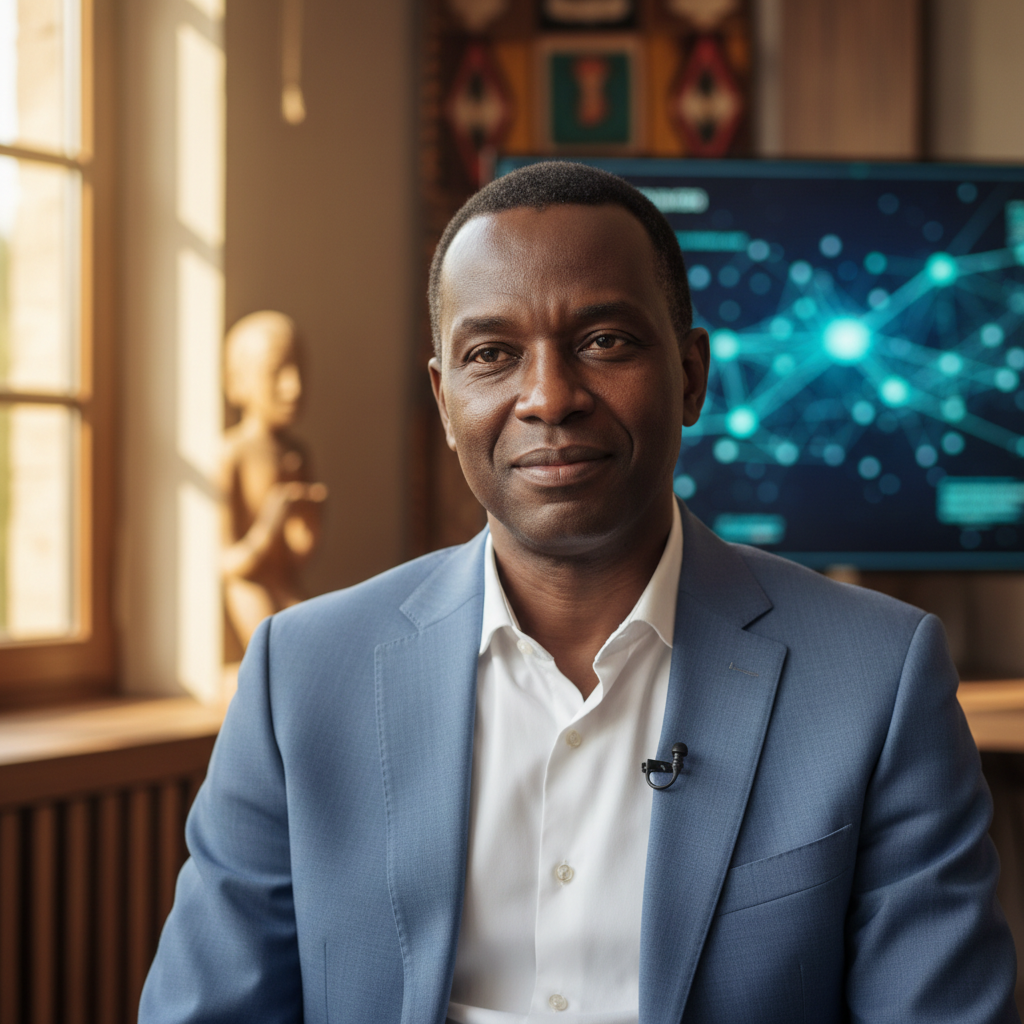
But as this incredible wave of innovation sweeps across the globe, a crucial question hangs in the air, like the smoke from a communal cooking fire: Who is steering this ship? How do we ensure that the power of artificial intelligence is harnessed for good, for everyone, and not just for a select few? This is the heart of the global AI governance debate, a complex tapestry of international cooperation versus the very real threat of fragmentation. And for this, I traveled to speak with a man who understands this challenge perhaps better than anyone, a true luminary from our own soil: Dr. Moustapha Cissé.
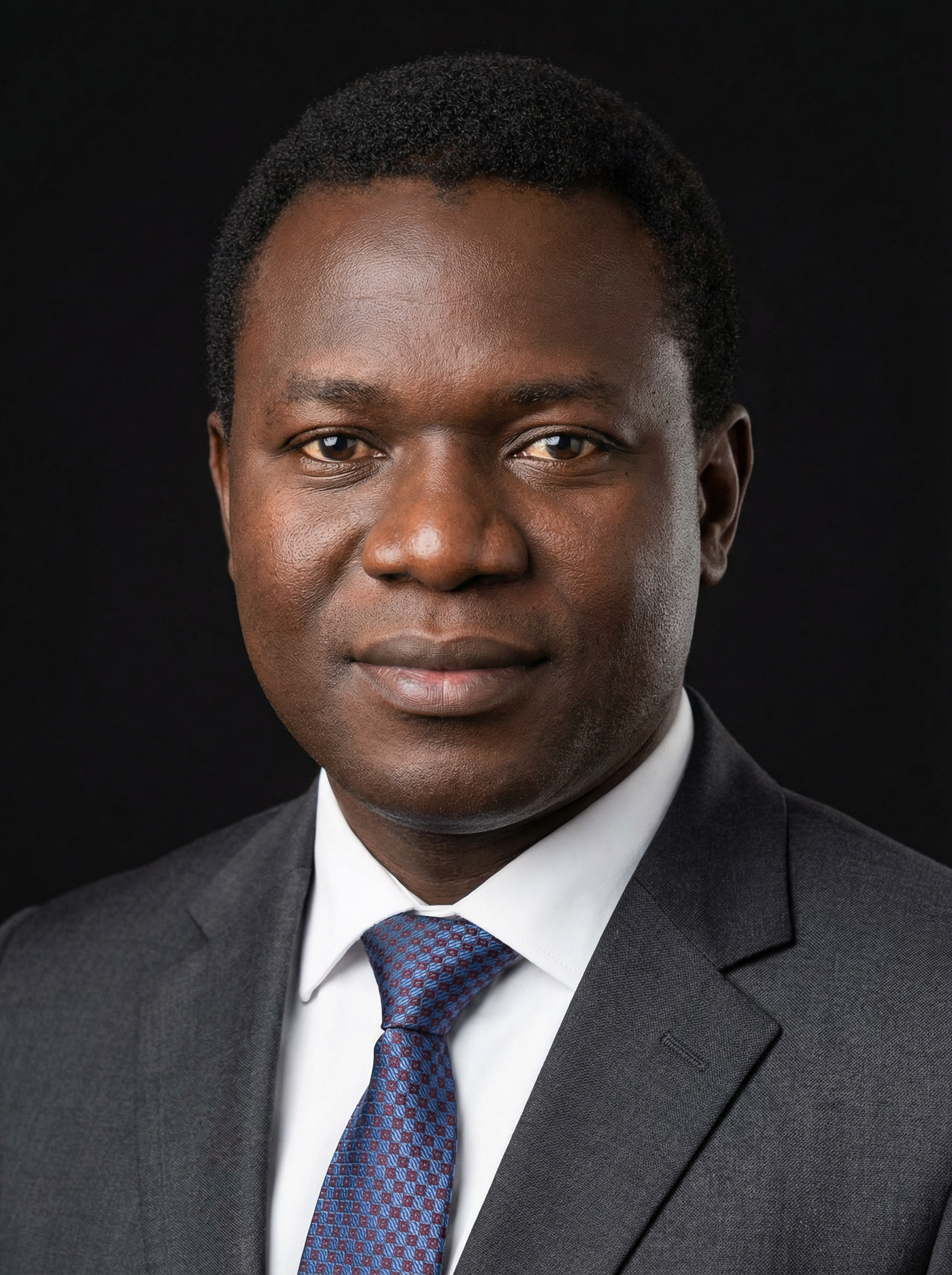
Dr. Cissé, the brilliant mind leading Google AI in Africa, is not just a researcher; he is a visionary. Born and raised in Senegal, he embodies the spirit of African ingenuity. His journey from a young student with a passion for mathematics to heading a major AI research center in Accra, Ghana, is a testament to what is possible. He is a man who speaks not just of algorithms and neural networks, but of impact, of empowerment, of ensuring that Africa is not merely a consumer of technology, but a co-creator, a shaper of its destiny. His work at Google AI, particularly in areas like natural language processing for African languages, is nothing short of groundbreaking. Imagine, AI that understands Wolof, Bambara, Hausa, just like it understands English or French. This changes everything for millions of people.
When we sat down, the energy was palpable. I asked him about the growing global divide in AI governance, the tension between nations wanting to set their own rules and the urgent need for a unified approach. His perspective, rooted in the realities of Africa, was profoundly insightful. "The challenges we face with AI are global, and they demand global solutions," Dr. Cissé once stated in a public forum, a sentiment he reiterated with quiet conviction. "If we fragment our approaches, we risk creating a patchwork of regulations that stifle innovation in some regions while allowing unchecked development in others. This is not sustainable, nor is it equitable." He emphasized that the benefits of AI, from healthcare to agriculture, are too vital to be constrained by geopolitical squabbles.
He spoke passionately about the need for inclusivity in these global conversations. For too long, the narrative around AI has been dominated by voices from a few powerful regions. "Africa, with its diverse cultures, languages, and unique challenges, has a critical role to play in shaping ethical AI," he explained. "Our experiences with technology, our communal values, and our urgent need for solutions to pressing issues like climate change and food security mean we bring a perspective that is absolutely essential to building AI that truly serves humanity." He pointed out that many of the biases found in AI models today stem from a lack of diverse data and a narrow set of perspectives during their development. By bringing African researchers and policymakers to the table, we can build more robust, fair, and universally beneficial AI systems.
Dr. Cissé has been a vocal advocate for open science and collaboration. He believes that open source AI models and shared research can help democratize access to this powerful technology, preventing a scenario where only a few mega-corporations or nations control its development. "The more we share, the more we learn, and the faster we can collectively address the risks and unlock the potential of AI," he told me, his eyes alight with conviction. This philosophy is evident in Google's broader commitment to open research and making tools accessible, a strategy that resonates deeply with the collaborative spirit often found in African innovation hubs. You can see more about their work on the Google DeepMind blog.
He also touched on the practicalities. Implementing AI governance is not just about laws; it is about building capacity. How do you regulate something you do not fully understand? This is where education and skill development become paramount. "We need to invest in training the next generation of African AI experts, ethicists, and policymakers," Dr. Cissé stressed. "This isn't just about having people who can build AI, but people who can critically evaluate it, understand its societal implications, and contribute meaningfully to its responsible deployment." He believes that by empowering local talent, we can ensure that governance frameworks are not just imported, but are organically developed to suit local contexts and needs.
His vision is clear: a future where international cooperation triumphs over fragmentation, where shared principles guide AI development, and where every nation, regardless of its economic power, has a voice. He envisions a world where organizations like the African Union and Ecowas play a central role in articulating regional needs and contributing to global standards, rather than simply reacting to frameworks designed elsewhere. This proactive approach is vital, because as we in Burkina Faso know, if you wait for the rain, sometimes the harvest is already lost.
I left our conversation feeling more energized than ever. Dr. Cissé is not just talking about the future; he is actively building it, brick by digital brick, right here in Africa. His work, and the work of countless other brilliant minds across the continent, is a powerful reminder that the global AI conversation is incomplete without our voices, our perspectives, and our innovations. The revolution is being coded right now, and Africa is at the forefront, not just as a participant, but as a leader in shaping a more equitable and cooperative AI future. It is a future where the digital village thrives, not divides. For more insights on global AI developments, I often check MIT Technology Review. And for those interested in the latest startup innovations, TechCrunch is always a good read.
This isn't just theory, you know. We see it happening in our own communities. Just last month, I spoke with a young woman in Bobo-Dioulasso who used an open source language model, fine-tuned with local data, to create an agricultural advisory app for farmers in Dioula. She told me, "Youssoufaù, this technology, it speaks our language, it understands our soil. It is like having a wise elder in your pocket!" That, my friends, is the power Dr. Cissé is fighting for, the power of AI for all, guided by shared wisdom and a common purpose. It is a future worth building, together.