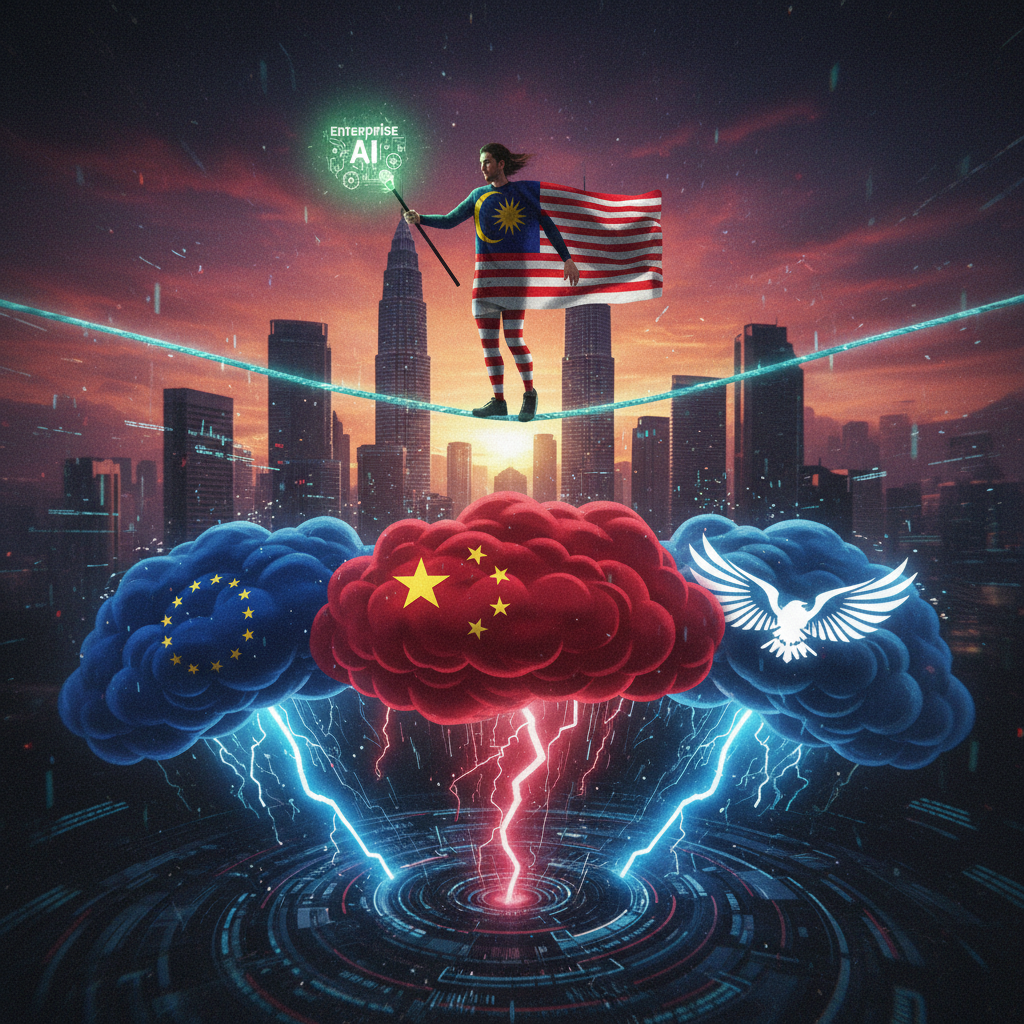

The digital landscape, particularly across Asia, is witnessing a profound shift in how individuals seek and experience connection. At the forefront of this transformation are AI companion platforms, with Character.AI emerging as a prominent player. This phenomenon is not merely a technological novelty, it is a socio-economic trend that warrants rigorous examination, especially from a Taiwanese perspective where technological adoption is rapid and societal structures are often under pressure.
Character.AI, reportedly boasting tens of millions of users, allows individuals to interact with AI personas ranging from historical figures to fictional characters, and even custom-made companions. The appeal is undeniable: instant, non-judgmental interaction, available 24/7. For many, particularly young people navigating the complexities of modern life, these AI entities offer a sense of companionship that might be elusive in the physical world. The data tells a more nuanced story, however. While engagement metrics are impressive, with users spending significant time on these platforms, the long-term psychological implications remain largely uncharted territory.
Consider the context of East Asia. Societies here often grapple with high academic pressure, demanding work cultures, and evolving family structures. Loneliness, even amidst dense urban populations, is a documented concern. In Taiwan, for instance, the demographic shift towards smaller households and an aging population means that traditional support networks are changing. It is against this backdrop that AI companions find fertile ground. They offer an accessible, if artificial, outlet for emotional expression and social interaction.
However, we must ask: are these platforms truly addressing the root causes of loneliness, or are they simply providing a convenient, albeit temporary, distraction? "The human need for connection is fundamental, but substituting genuine human interaction with algorithmic responses carries inherent risks," stated Dr. Lee Mei-Ling, a prominent social psychologist at National Taiwan University. "We must be vigilant about the potential for users, especially adolescents, to develop a dependency that could further isolate them from real-world relationships." This sentiment echoes concerns voiced by mental health professionals globally, who caution against the potential for AI companions to exacerbate social anxieties or create unrealistic expectations for human relationships.
The commercial aspect of this industry cannot be overlooked. Character.AI, like many startups in the generative AI space, is a venture-backed entity. Its business model, while currently relying on a freemium approach and potential future subscription services, is built on user engagement and data. The more time users spend, the more data is generated, which in turn can be used to refine the AI models and personalize experiences further. This creates a powerful feedback loop, but also raises significant questions about data privacy and algorithmic manipulation. Who owns the conversations? How is this highly personal data being used? These are not trivial questions, particularly in an era where data breaches are common and digital ethics are still being defined.
From a technological standpoint, the advancements underpinning these AI companions are remarkable. They leverage sophisticated large language models, often trained on vast datasets of human conversation and text, to generate coherent and contextually relevant responses. Companies like Google, Meta, and OpenAI are investing heavily in improving these foundational models, and the trickle-down effect benefits platforms like Character.AI. The computational power required for these operations is immense, driving demand for advanced semiconductors, a domain where Taiwan's position is more complex than headlines suggest. Our foundries, particularly Tsmc, are the bedrock of this AI revolution, producing the chips that power these digital interactions. This technological prowess brings economic benefits, yet it also means we are deeply intertwined with the ethical and societal implications of the applications built upon our hardware.
Let's separate fact from narrative. The narrative often portrays AI companions as harmless, innovative tools for entertainment and support. The fact is, they are powerful psychological instruments, capable of influencing behavior and perception. The lack of transparency regarding their underlying algorithms and data handling practices is a significant concern. For instance, while Character.AI offers a safe space for expression, the emotional labor performed by these AIs is not reciprocal. They do not experience emotions, nor do they truly understand the human condition. This asymmetry in the relationship can create a false sense of intimacy, potentially hindering the development of empathy and resilience in real-world interactions.
The regulatory environment is also struggling to keep pace. While the European Union has made strides with the AI Act, and countries like Singapore and South Korea are developing their own frameworks, a comprehensive global approach to AI companions is still nascent. This regulatory vacuum allows companies to operate with considerable leeway, often prioritizing growth over user well-being. Taiwan, with its robust tech sector and democratic values, has an opportunity to lead in this space, perhaps by establishing clear guidelines for ethical AI development and deployment, particularly concerning applications that directly impact mental health and social interaction.
The future of AI companions is undoubtedly bright from a commercial perspective. Analysts project the AI companion market to grow significantly, potentially reaching billions of dollars globally within the next few years. This growth is fueled by increasing user adoption and continuous technological improvements. However, the true measure of their success should not solely be economic. It must also encompass their impact on human well-being and societal cohesion.
As we move forward, a critical, data-driven approach is essential. We need more independent research into the long-term effects of AI companionship, particularly on developing minds. We need greater transparency from platform providers regarding their data practices and algorithmic design. And we need a societal conversation, informed by experts from psychology, ethics, and technology, about the role we want these digital entities to play in our lives. The allure of a perfect digital confidant is strong, but the potential for unintended consequences is equally profound. It is a balance we must carefully strike, ensuring that technology serves humanity, rather than the other way around. For further insights into the broader AI landscape, one might consult resources like TechCrunch's AI section or MIT Technology Review for deeper analysis on emerging trends.