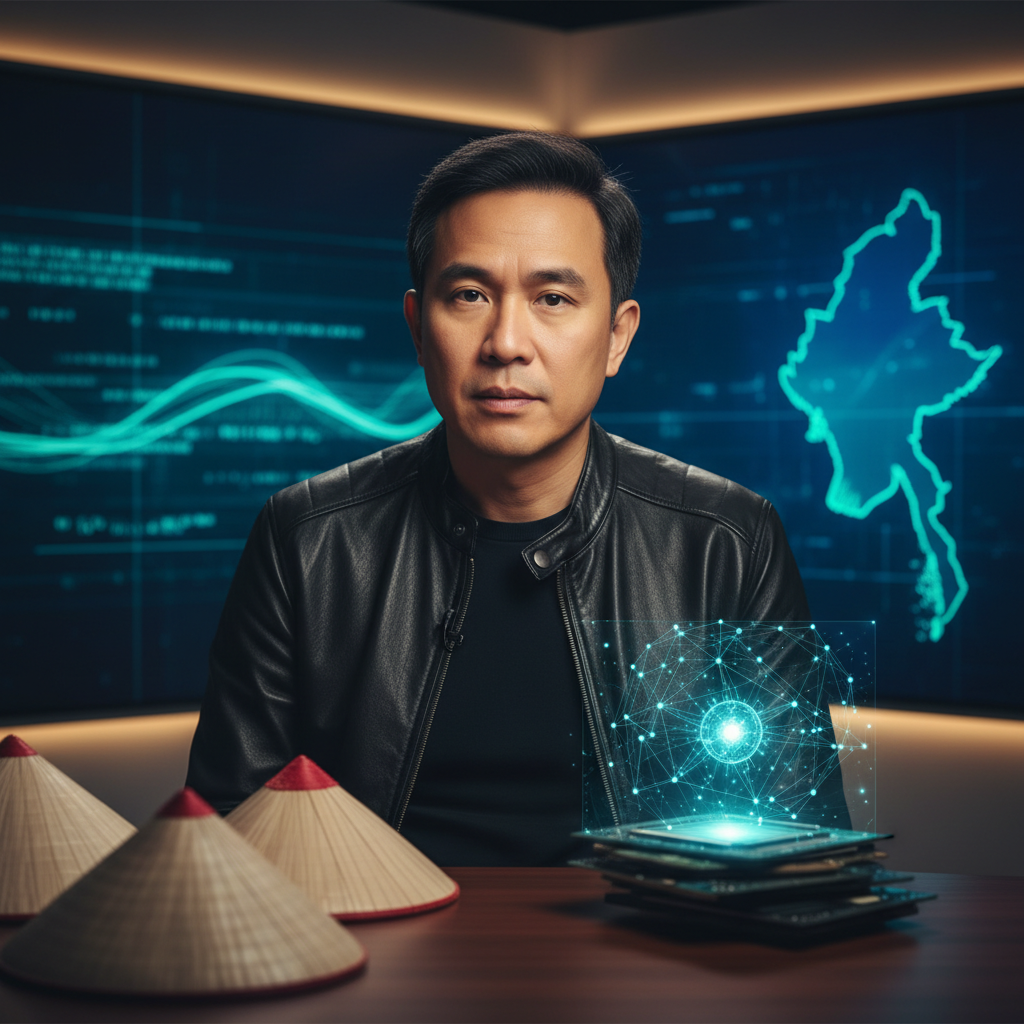

The air in Yangon always carries a certain weight, a mix of jasmine, exhaust fumes, and the quiet resilience of its people. It was a humid April morning, the kind that makes your shirt stick to your back, when I found myself navigating the city's bustling streets towards a small, unassuming office tucked away near the Shwedagon Pagoda. This was the meeting place for my interview with Dr. Hla Myint, a name whispered with respect among Myanmar's small but determined tech community. He is the founder of 'Doh Pyi AI,' a local initiative striving to bring advanced technology to our nation, often against immense odds. My mission: to understand how the global AI narrative, dominated by figures like NVIDIA's Jensen Huang and his trillion dollar empire, resonates here, in a country where internet access is a privilege, not a given.
Dr. Myint greeted me with a warm smile, his eyes reflecting both weariness and an unyielding spark. His office was spartan, a single whirring fan battling the heat, but the whiteboard behind him was a riot of complex algorithms and Burmese script. "Thida, thank you for coming," he began, offering me a cup of strong, sweet tea. "The world talks about NVIDIA's new Blackwell platform, their incredible computing power, the billions in investment. It's all very impressive, very grand. But here, in Myanmar, the stakes are different."
His words immediately struck a chord. Jensen Huang's recent keynote announcements painted a picture of an AI future powered by ever more sophisticated GPUs, driving breakthroughs in everything from drug discovery to autonomous vehicles. The scale is breathtaking, the financial valuations staggering. But for many in Myanmar, these advancements feel like distant thunder, rumbling on another continent. Our immediate concerns are more fundamental: access to information, basic healthcare, and the tools for digital resistance against oppression.
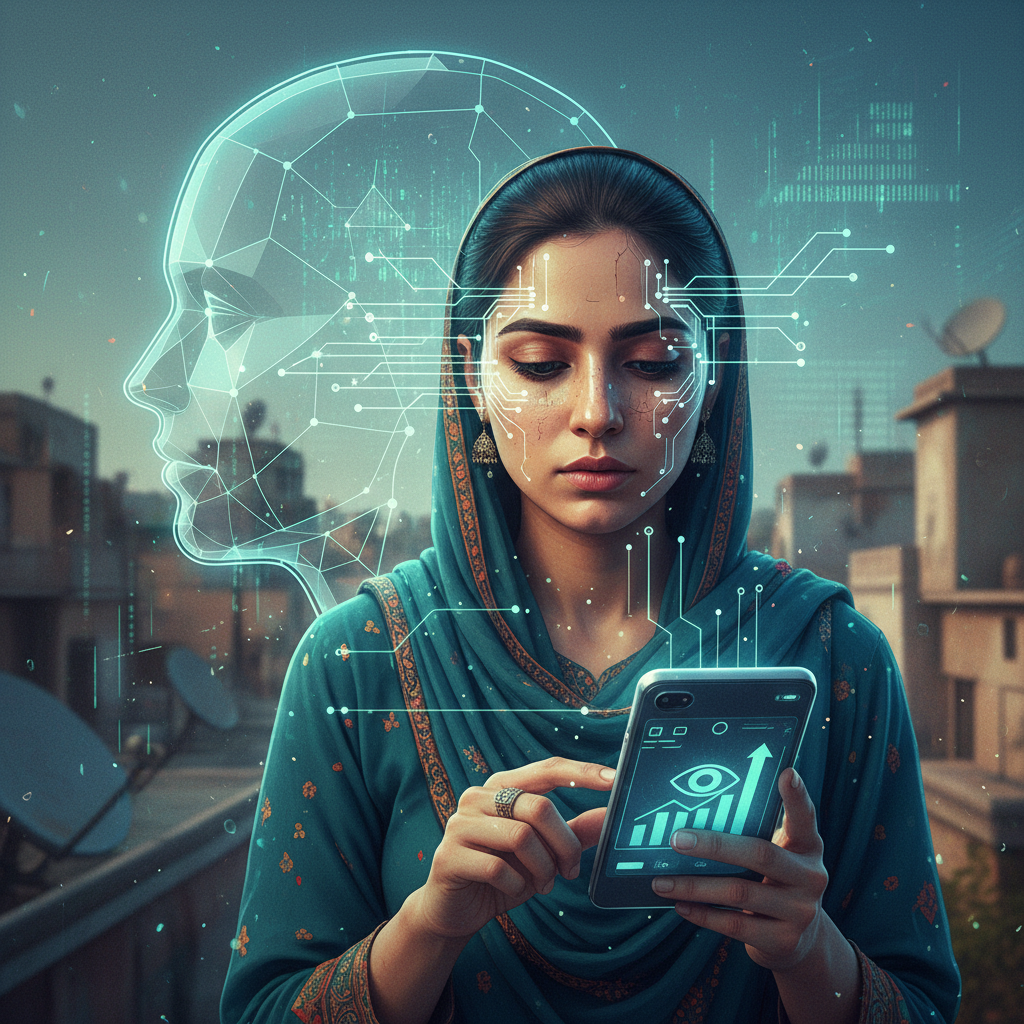
"We watch these keynotes, of course," Dr. Myint continued, gesturing towards a well worn laptop on his desk. "We see the potential. Imagine what NVIDIA's accelerated computing could do for our public health data analysis, for predicting crop yields in remote villages, or even for developing secure communication channels when the internet is deliberately cut. Technology can be a lifeline here, not just a fancy upgrade." He spoke of a recent project where his team used open source AI models, running on repurposed gaming GPUs, to help translate critical medical information into local dialects, reaching communities that traditional healthcare systems often miss. "It is a small step, a fraction of what a global company like NVIDIA achieves in a day, but for us, it is everything."
I asked him about the practicalities. How does a country like Myanmar, with its infrastructure challenges and political instability, even begin to tap into such a high tech ecosystem? His response was candid. "It is incredibly difficult. The cost of hardware alone is prohibitive. A single NVIDIA H200 GPU, the kind Jensen Huang talks about, costs more than many families here earn in a year. Then there is the issue of power, cooling, and the specialized talent needed to operate these systems. We often rely on donations, on older generations of hardware, and on the ingenuity of our young engineers who learn from online forums and open source communities."
He paused, taking a sip of his tea. "But the bigger challenge, perhaps, is relevance. Silicon Valley often builds for problems that are not our problems. They optimize for speed, for scale, for profit. We optimize for resilience, for accessibility, for survival. We need AI that can function offline, that can run on low power, that can understand the nuances of our diverse languages and cultures, and that can be deployed in environments where security is paramount. This is about survival, not convenience."
Dr. Myint shared an anecdote about a young woman from a conflict affected region who used a basic AI powered translation app, developed by his team, to communicate with international aid workers. "She was able to articulate her community's needs, something that would have been impossible without that bridge. That is the kind of impact we chase. It is not about building the next ChatGPT, it is about empowering voices that are otherwise silenced." His words underscored a critical point: the global AI conversation often overlooks the specific, urgent needs of vulnerable populations. While companies like NVIDIA are pushing the boundaries of what AI can do, the equitable distribution and application of that power remain a significant hurdle.
Our conversation shifted to the future. What would it take for NVIDIA's ecosystem, or any advanced AI technology, to truly benefit Myanmar? "Partnerships, genuine ones," Dr. Myint stated firmly. "Not just selling us hardware, but investing in local talent, co creating solutions, and understanding our unique context. Imagine if NVIDIA, or Google, or Microsoft, dedicated a fraction of their resources to building AI infrastructure and capacity in places like ours. Not as charity, but as an investment in a truly global, inclusive AI future. We have brilliant minds here, eager to learn, eager to contribute."
He pointed to a rough sketch on his whiteboard, depicting a decentralized network of small, low power AI nodes connecting remote villages. "This is our dream. A 'digital pagoda network' if you will, where information, education, and even basic healthcare diagnostics can be shared, secured by AI, even when traditional infrastructure fails. It is ambitious, yes, but necessary." He mentioned that his team is currently exploring ways to leverage federated learning techniques, as championed by companies like Apple and Google, to protect user privacy while still extracting valuable insights from localized data. "It is a slow process, but we are making progress," he said with a determined nod.
As the interview concluded, the afternoon sun cast long shadows across the room. Dr. Myint's vision, while grounded in the harsh realities of Myanmar, was undeniably hopeful. He believes that the global AI community has a moral imperative to ensure that the benefits of this transformative technology are not confined to the wealthy few. "Jensen Huang talks about building the future," he said, walking me to the door. "We are living in a very different present, but we also want a future. And we believe AI can help us build it, if we are given the right tools and the right support." His words reminded me that while the headlines may focus on market caps and technological marvels, the true measure of AI's impact will be found in the lives it touches, especially those in the shadows of global progress.
For more insights into the ethical considerations of AI, you can visit Wired's AI section. To keep up with the latest in AI research and development, MIT Technology Review is an excellent resource. The journey for equitable AI access in regions like Myanmar is long, but with dedicated individuals like Dr. Hla Myint, there is always hope for a brighter, more connected future. The challenge remains for the global tech giants to truly hear and respond to these unheard voices. After all, a truly trillion dollar ecosystem should benefit everyone, everywhere.```