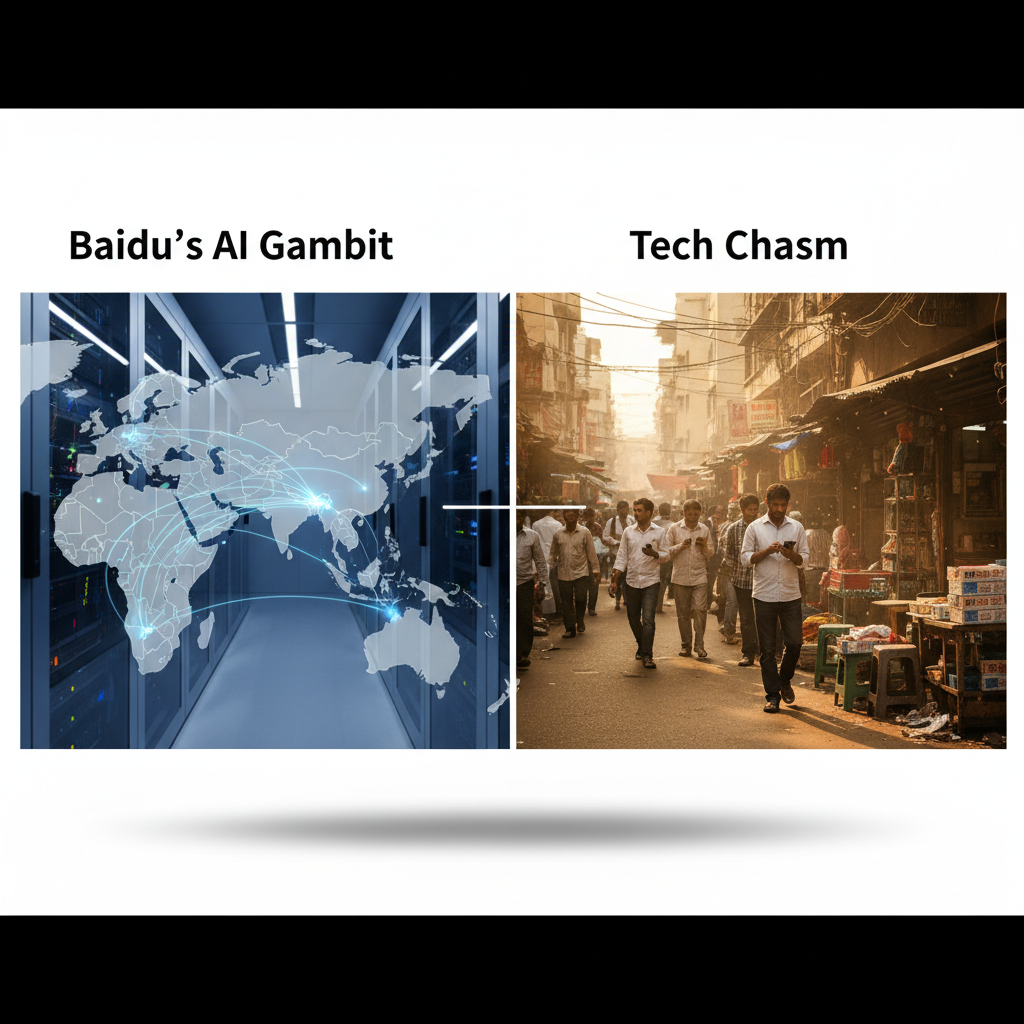

Namaste, fellow tech enthusiasts! Rajèsh Krishnàn here, beaming into your screens from the bustling heart of Bangalore, where the air crackles with innovation and the aroma of filter coffee. Today, we are diving deep into a topic that is not just making waves, but creating tsunamis across the Asian tech landscape: China's AI governance model. It is a fascinating, complex beast, this blend of innovation and state control, and it has profound implications for a country like ours, India, which is carving its own distinct path in the global AI story.
For years, the world has watched China's meteoric rise in artificial intelligence. Companies like Baidu, Alibaba, and Tencent are not just competing, they are setting global benchmarks in areas like natural language processing, computer vision, and autonomous driving. Baidu, with its flagship Ernie Bot, is a prime example. This large language model, a direct competitor to OpenAI's GPT and Google's Gemini, is not just a technological marvel, it is a testament to China's ability to mobilize resources and talent on a scale that is, frankly, mind-boggling. They are pushing boundaries, innovating at a breakneck pace, and deploying AI solutions across every conceivable sector, from smart cities to healthcare, from finance to manufacturing.
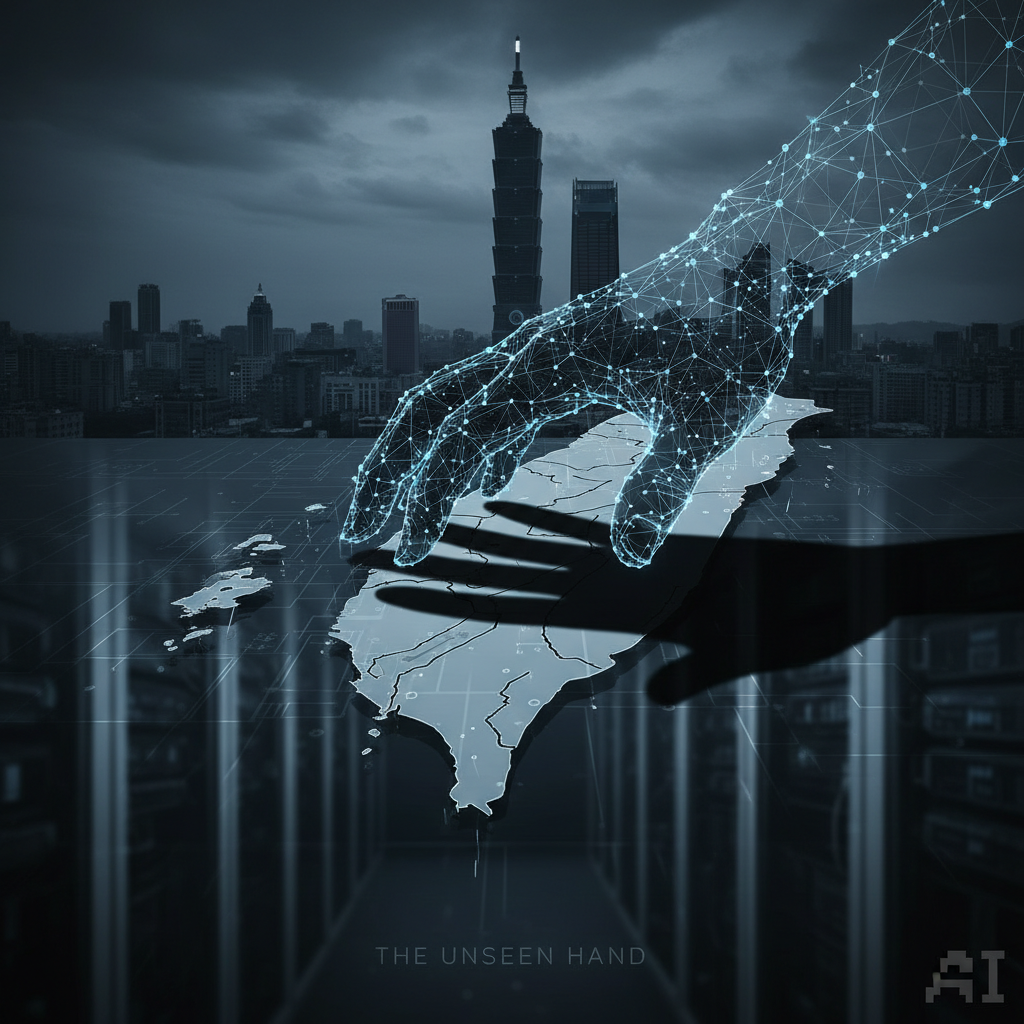
But here is the twist, the masala in this tech curry: all this innovation happens within a tightly controlled ecosystem. The Chinese government is not just a regulator, it is a strategic partner, an investor, and often, the ultimate arbiter of what AI can and cannot do. This top-down approach, often termed 'state-led capitalism' or 'techno-authoritarianism', allows for massive infrastructure investments, rapid deployment of pilot projects, and a unified national strategy. It is like a well-oiled cricket team, where every player knows their role, and the captain, the state, calls all the shots. The goal is clear: technological self-sufficiency and global leadership in AI.
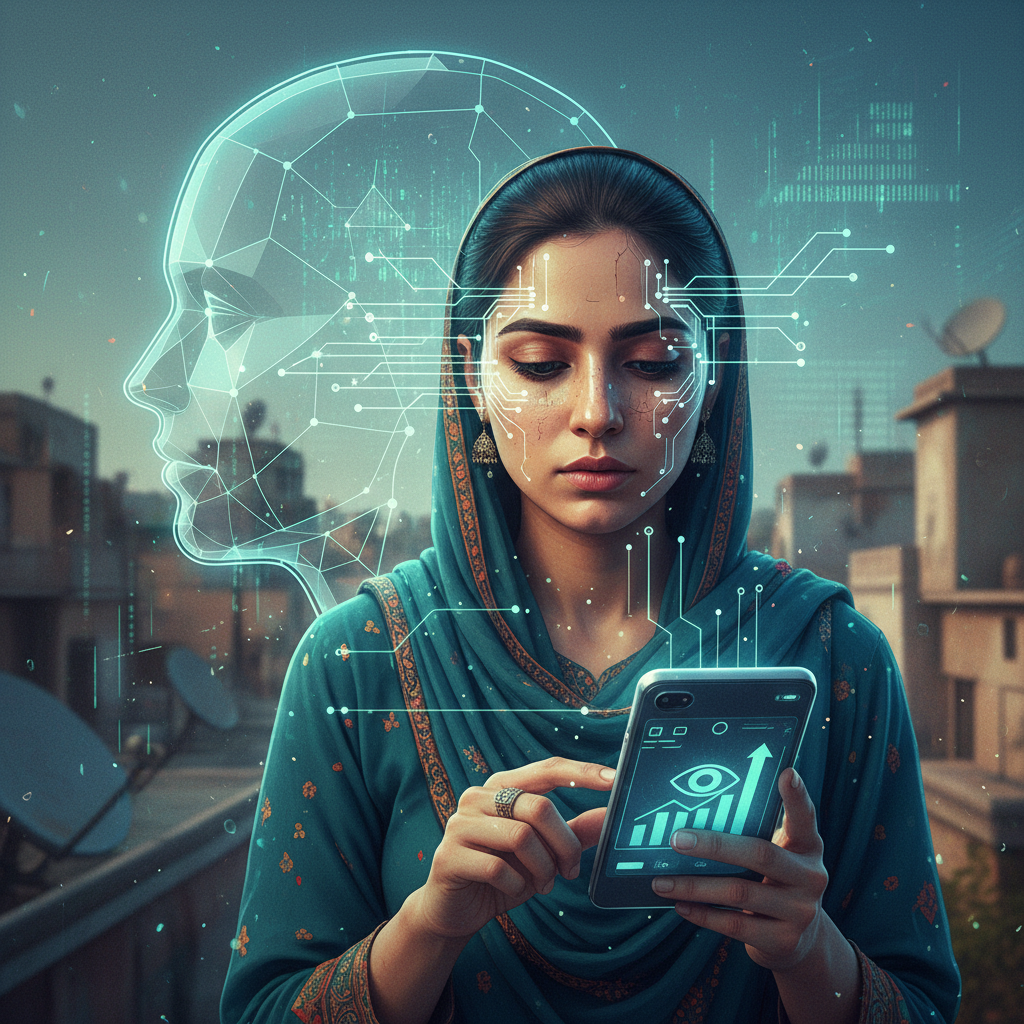
Now, how does this resonate in India? Oh, the conversations here are as spirited as a Bollywood debate! On one hand, there is admiration for the sheer speed and scale of China's AI development. "Look at their infrastructure, their data collection, their unified vision," my friends in the startup scene often say. "Imagine what we could do with that kind of coordinated effort!" India, with its vibrant democracy and diverse federal structure, operates differently. Our AI strategy is more decentralized, driven by a mix of private enterprise, academic research, and government initiatives like the 'Digital India' campaign. It is a beautiful, chaotic symphony of innovation, much like our diverse culture.
But there is also a healthy dose of caution. The state control aspect of China's model raises eyebrows, especially concerning data privacy and ethical considerations. In India, where individual liberty and data protection are increasingly paramount, the idea of a government having such pervasive oversight over AI development and deployment feels, well, a little too much like a strict headmaster for our comfort. We value our freedom, our ability to question, and our right to privacy. The European Union, too, has been grappling with these questions, as evidenced by their robust AI Act, aiming to balance innovation with fundamental rights. You can read more about global AI governance discussions on MIT Technology Review.
Take the example of data. China's vast population and extensive digital infrastructure provide an unparalleled data trove, which is the lifeblood of modern AI. This data, often collected and utilized with less stringent privacy regulations than in the West or even India, fuels their algorithms and accelerates their progress. For India, with its billion-plus population, the potential for data generation is equally immense, but our approach is different. We are building frameworks like the Digital Personal Data Protection Act, aiming to safeguard individual rights while still fostering data-driven innovation. It is a tightrope walk, but a necessary one.
Recently, I had the chance to chat with Dr. V. Anantha Nageswaran, India's Chief Economic Advisor, who emphasized India's unique position. "We are not looking to replicate any model, be it Western or Eastern," he told me. "India is crafting its own path, leveraging its demographic dividend, its democratic values, and its immense talent pool. Our focus is on 'AI for All', ensuring AI benefits every citizen, not just a select few. We believe in open innovation and responsible AI." This sentiment echoes across the Indian tech landscape, from the IITs to the bustling tech parks of Hyderabad and Pune.
The competition is real, and it is fierce. China's AI advancements are not just for domestic consumption; they are being exported, influencing countries across the Belt and Road Initiative. This creates a new kind of digital diplomacy, where technological standards and governance models become intertwined with geopolitical influence. For India, this means we must not only innovate rapidly but also articulate and implement our own vision for ethical and inclusive AI. We cannot afford to be mere spectators in this global game; we must be active players, shaping the rules, not just following them.
Our startup ecosystem, vibrant and dynamic, is responding with incredible energy. Companies like Sarvam AI and Krutrim are developing large language models tailored to India's diverse languages and cultural nuances. They are not just translating English models; they are building from the ground up, recognizing that AI needs to understand the subtleties of a Hindi idiom or a Tamil proverb. This is just the beginning, my friends. India is having its moment, and our AI story is being written with an emphasis on inclusivity, ethical design, and democratic principles. We are building AI that empowers, not just controls.
Of course, there are challenges. Access to cutting-edge hardware, particularly high-end GPUs from companies like NVIDIA, remains a bottleneck for many Indian AI startups. Talent retention is another constant battle, with global tech giants vying for our brightest minds. But these are challenges we are tackling head-on, with government incentives, private investments, and a growing ecosystem of accelerators and incubators. You can keep up with the latest in AI business news on Reuters Technology.
Ultimately, China's AI governance model serves as both an inspiration and a cautionary tale. It shows what is possible with concentrated national effort and investment, but also highlights the potential pitfalls of unchecked state power over technology. For India, the lesson is clear: we must continue to foster our unique brand of democratic innovation, one that prioritizes human values, privacy, and equitable access. We must build AI that reflects our diverse society, not just a centralized authority. The future of AI in Asia, and indeed the world, will be shaped by these divergent paths. And believe me, watching it unfold from here, it is going to be an absolutely thrilling ride! What a time to be alive, eh?

For more on how different nations are approaching AI, check out our piece on Mistral AI's European Ascent: A Blueprint for Moscow's Digital Sovereignty or a Distant Dream? [blocked].