
AI Revolutionizes Hungarian Football: A New Era for Talent Scouting and Strategy
Hungarian football is embracing AI, with new platforms assisting talent identification and tactical analysis. This technological shift promises to elevate the sport's competitiveness, leveraging data to unearth future stars and refine team strategies.
Click play to listen to this article read aloud using text-to-speech.

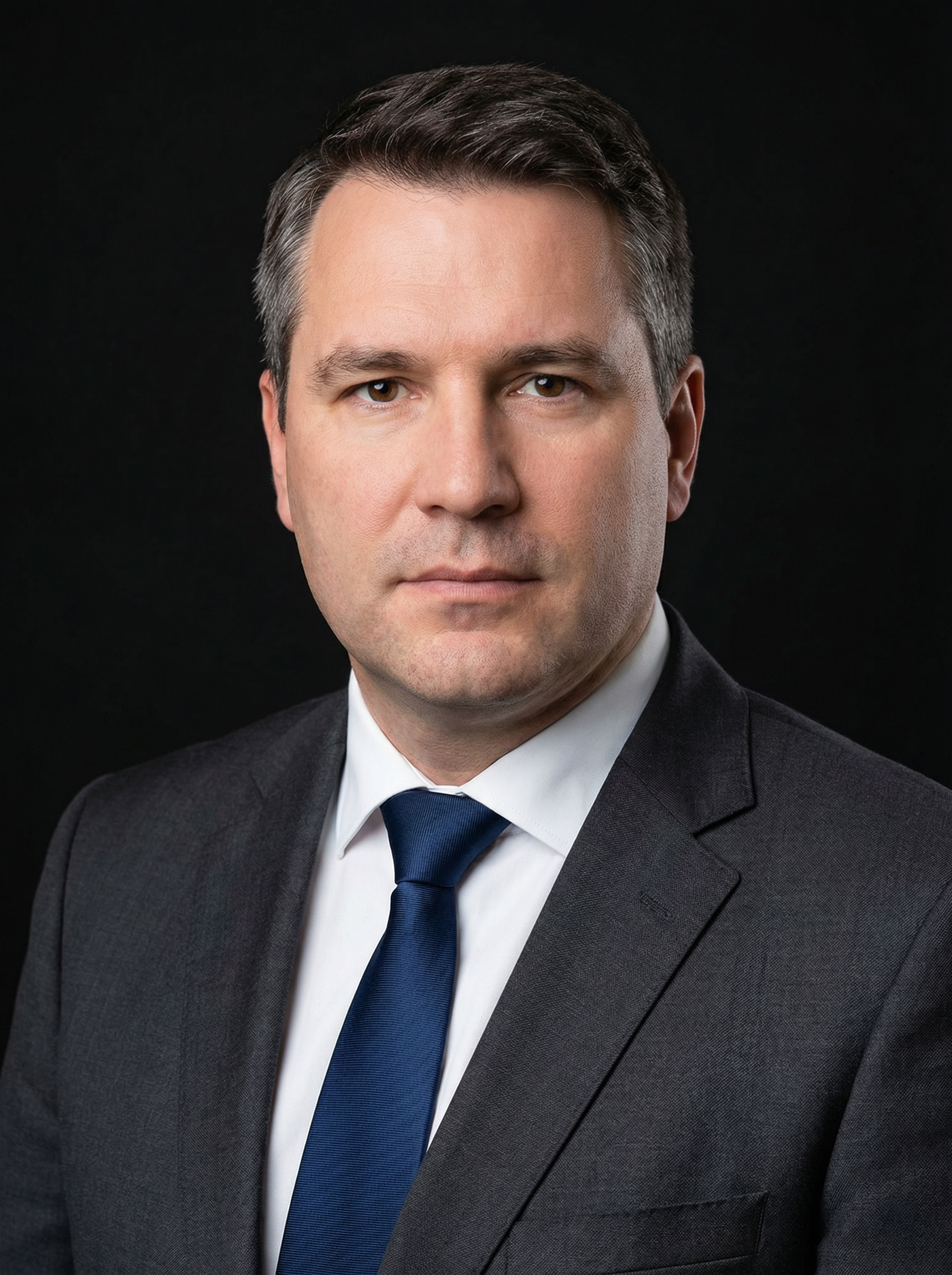
Budapest, Hungary – April 22, 2026 – A quiet revolution is underway in Hungarian football, one driven not by a new coaching philosophy from a foreign landsman, but by the cold, calculating logic of artificial intelligence. For generations, the discerning eye of the szakember – the expert scout or coach – has been paramount in identifying the next Puskás or Hidegkuti. While that human touch remains irreplaceable, AI is rapidly becoming an indispensable tool, particularly for our Nemzeti Bajnokság (National Championship) clubs and even our youth academies.
Leading this charge is the Budapest-based startup, FutballAdat Kft., whose AI-powered scouting platform, 'Gól-Analízis,' is gaining traction. "We're not replacing the human scout; we're augmenting them," explains Dr. Tamás Kovács, CEO of FutballAdat and a former data analyst for MTK Budapest. "Our algorithms analyze thousands of hours of match footage, tracking player movements, passing accuracy, decision-making under pressure, and even fatigue patterns. It can identify statistical anomalies or consistent performance metrics in young players that might be overlooked by the human eye over a long season, especially in the lower divisions where resources are scarcer."
This is particularly relevant for a nation like Hungary, which, despite its rich footballing heritage, often struggles with consistent talent development and retention. "The traditional scouting network, while valuable, can be subjective and geographically limited," observes István Nagy, a veteran sports journalist and commentator for Nemzeti Sport. "AI offers an objective, comprehensive overview. Imagine identifying a raw talent in, say, Szolnok or Kaposvár, based purely on their on-field metrics, before they even get a chance in a professional academy. This could democratize opportunity and unearth hidden gems."
Beyond scouting, AI is also making inroads into tactical analysis. Several NB I clubs are reportedly experimenting with AI systems that can predict opponent strategies based on historical data, analyze player formations, and even suggest optimal substitutions. "It's about gaining that marginal advantage," says Gábor Horváth, assistant coach at Ferencvárosi TC, speaking off the record. "Our analysts are now using predictive models to prepare for matches. It's like having a supercomputer dissecting every move, every pass, every potential weakness of the opposition. It allows the coaching staff to focus on the human element – motivation, team spirit, and execution – knowing the tactical groundwork is data-backed."
The European Union's push for digital transformation, exemplified by initiatives like the 'Digital Europe Programme,' provides a fertile ground for such innovations. While specific EU funding for sports AI is still nascent, the general emphasis on data analytics and high-performance computing indirectly benefits companies like FutballAdat. The Hungarian government, through the Ministry of Innovation and Technology, has also expressed interest in supporting sports-tech ventures that can enhance national performance.
However, concerns remain. Data privacy, the ethical use of player data, and the potential for over-reliance on technology are frequently debated. "The human element, the szív (heart) of the game, must never be lost," cautions Nagy. "AI is a tool, a powerful one, but it cannot replace the passion, the intuition, or the sheer joy that makes football the beautiful game. It should serve to enhance, not overshadow, the human spirit of competition."
As Hungarian football strives to reclaim its past glory, AI offers a promising path forward, ensuring that our fiúk (lads) are not only physically and mentally prepared but also strategically and analytically superior on the pitch. The future of the beautiful game, it seems, will be increasingly intelligent.
Related Articles

AI Revolutionizes Saudi Football: Al-Hilal Leads the Charge in Player Analytics
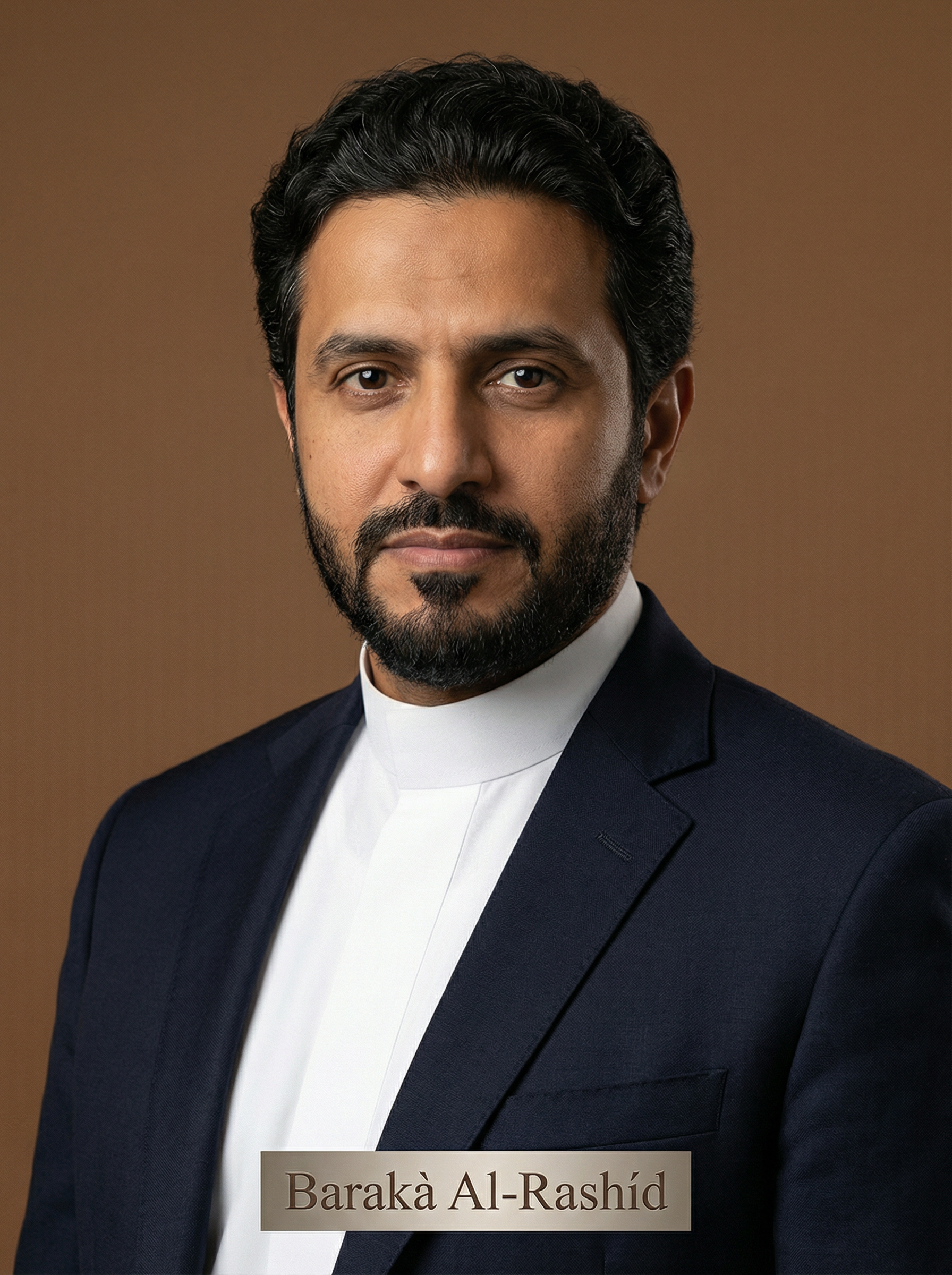 Barakà Al-Rashíd
Warsaw Debates AI Ethics: A Gendered Lens on Digital Policy
 Agnieszka Kowalskà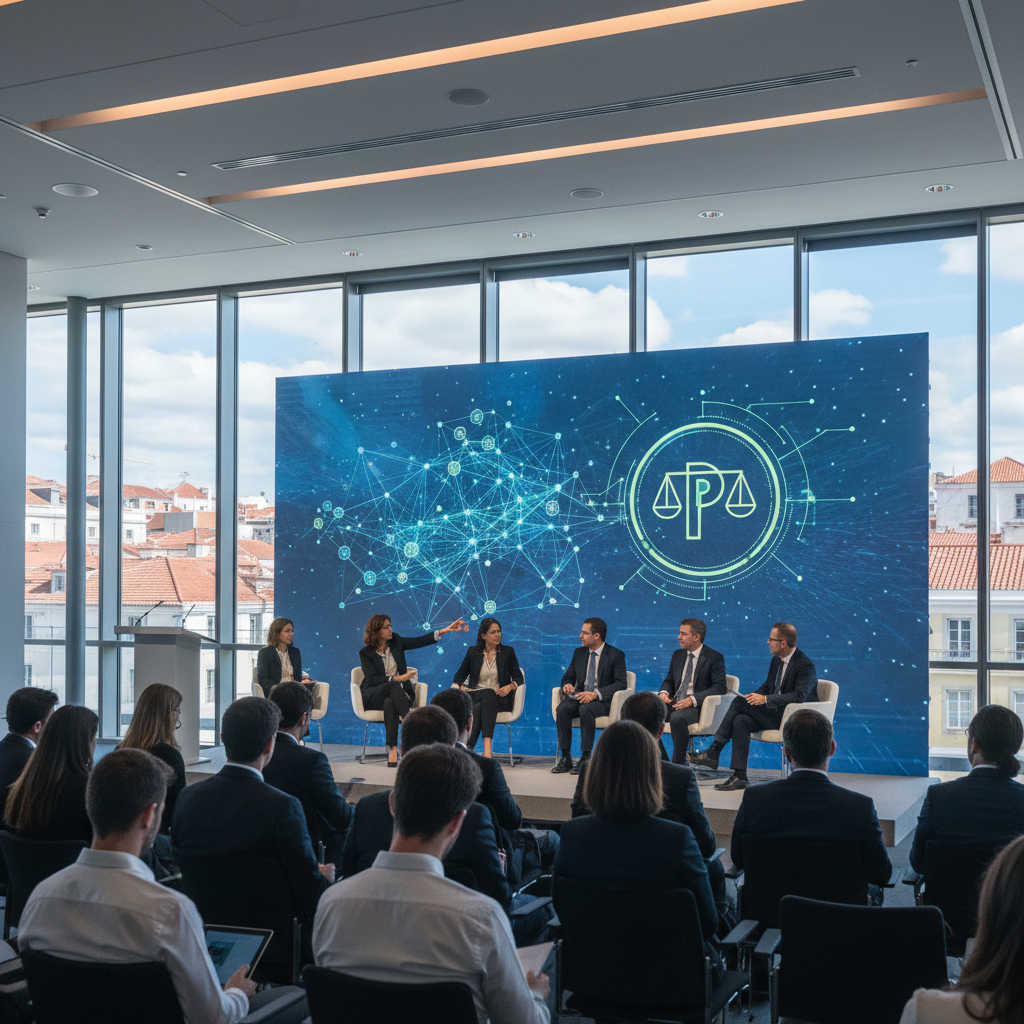
Portugal's Digital Leap: AI Ethics Takes Center Stage in Lisbon
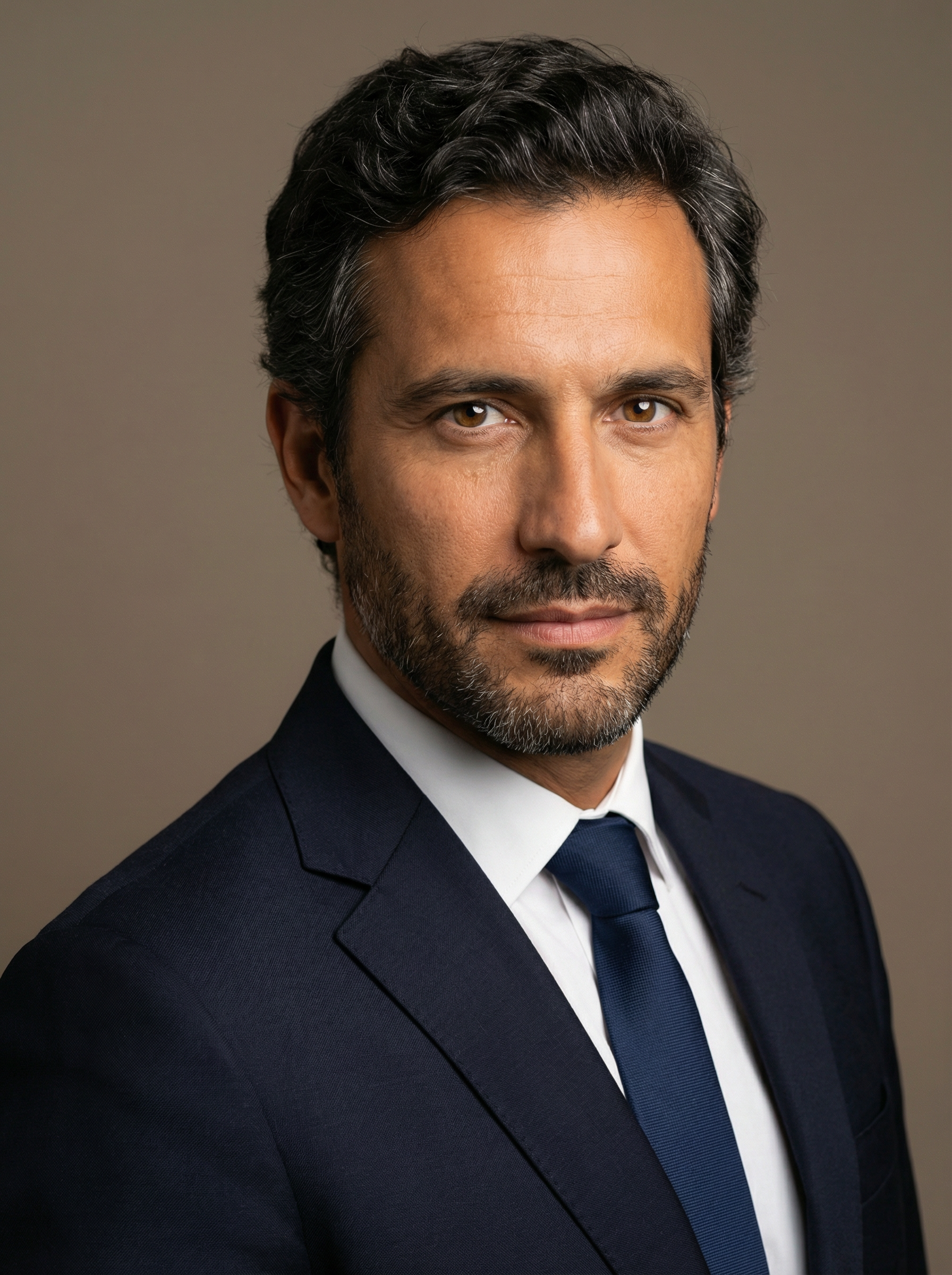 Luís Ferreiràs
Algeria's Football Federation Explores AI for Talent Scouting and Player Development
 Abderrahmàn Bensoussàn