
AI Revolutionizes Chilean Futsal: Data Analytics Levels the Playing Field for Women Athletes
Artificial intelligence is transforming futsal in Chile, offering unprecedented data analytics that empower women's teams, helping them optimize strategies and close the historical resource gap. This technological leap promises a fairer, more competitive future for Chilean sportswomen.
Click play to listen to this article read aloud using text-to-speech.
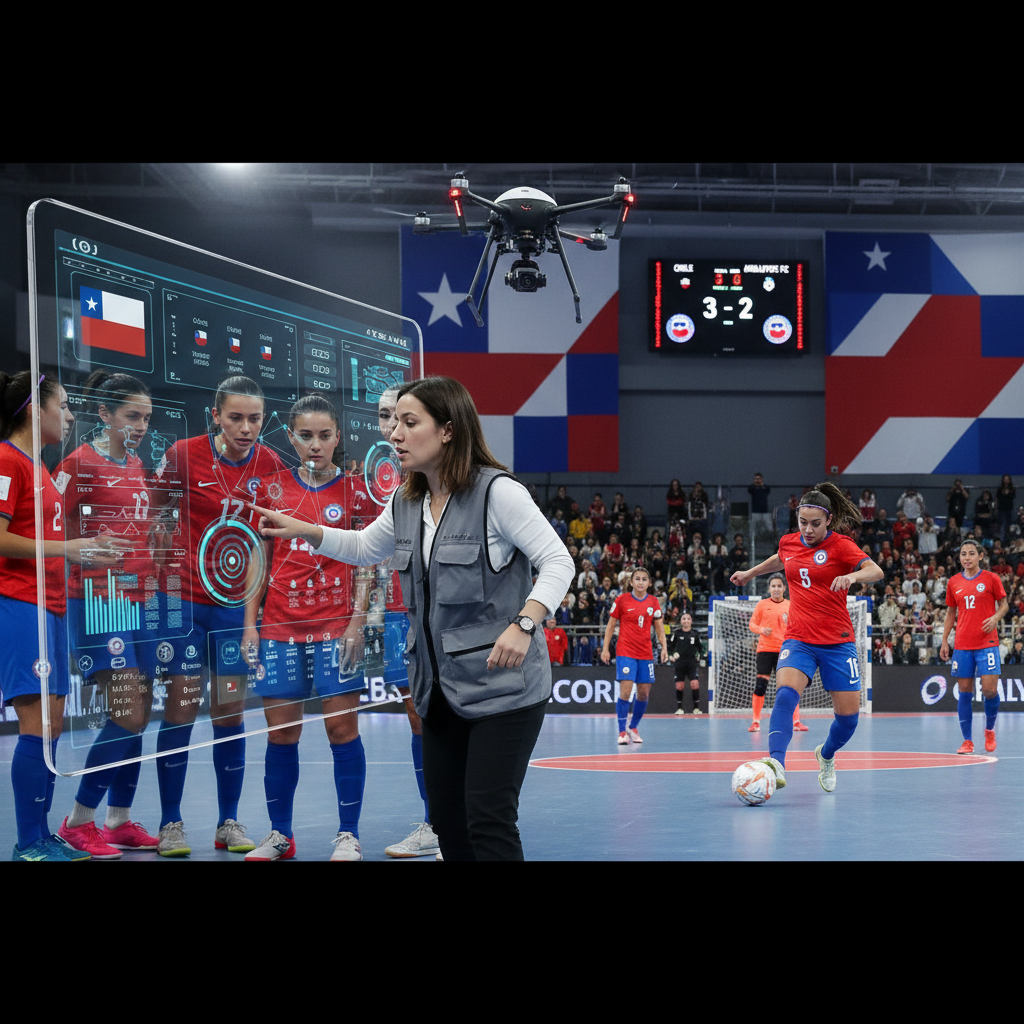

SANTIAGO, CHILE – The roar of the crowd, the swift passes, the strategic plays – futsal, a sport deeply ingrained in Chilean culture, is experiencing a quiet revolution. This time, the game-changer isn't a new star player or a coaching legend, but artificial intelligence, and its impact is particularly profound for nuestras deportistas.
For decades, women's sports in Chile, like in many parts of the world, have grappled with disparities in funding, infrastructure, and access to cutting-edge performance analysis. While elite men's teams often boast extensive data analytics departments, women's clubs have largely relied on traditional coaching methods. However, a new wave of AI-powered tools is beginning to democratize access to sophisticated insights, offering a vital boost to las futsalistas chilenas.
Take, for instance, the recent pilot program launched by the Federación de Fútbol de Chile (FFCh) in collaboration with the Universidad de Chile's Department of Computer Science. Using AI vision systems, these initiatives track player movements, ball possession, shot accuracy, and defensive formations during matches and training sessions. The data, once analyzed by algorithms, provides coaches with actionable intelligence far beyond what human observation alone could achieve.
“This is a paradigm shift for women's futsal,” explains Dra. Andrea Rojas, a leading sports technologist and former national futsal player, now an advisor to the FFCh's women's commission. “We’re seeing improvements in tactical understanding, injury prevention through workload management, and even talent identification. For a team with limited budgets, this AI analysis acts as an invaluable assistant, helping us optimize every jugada.”
One of the most compelling aspects is the leveling of the playing field. Historically, male teams have had more resources for detailed performance analysis. Now, smaller women's clubs, often operating on shoestring budgets, can access similar analytical power through more affordable, scalable AI solutions. This allows coaches to identify subtle patterns in opponents' strategies, refine their own team's offensive and defensive structures, and tailor individual training regimens with unprecedented precision.
“We used to rely on gut feeling and video replays, which was time-consuming and subjective,” says Camila Soto, head coach of Club Deportivo Fénix Futsal Femenino, a team from La Pintana that participated in the pilot. “Now, the AI gives us objective metrics. We can show a player exactly where her passing lanes are strongest, or how her defensive positioning impacts the team's overall structure. It's empowering for them to see their progress quantified.”
This technological integration isn't just about winning games; it's about fostering professionalization and recognition for women in sports. By providing data-driven evidence of performance, AI helps validate the skill and dedication of nuestras atletas, making a stronger case for increased investment and media coverage. As Chile continues its digital transformation journey, the intersection of AI and sports promises a brighter, more equitable future for las mujeres deportistas across the nation, ensuring their talent is not just seen, but scientifically understood and celebrated. The cancha is changing, and AI is helping pave the way for a new era of excellence.
Camilà Torresè reporting from Santiago, Chile.
Related Articles

AI Revolutionizes Portuguese Football: Benfica Leads the Charge with Data Analytics
 Luís Ferreiràs
Amazon's AI Guardians: Brazil Deploys Tech to Combat Deforestation
 Luciànò Ferreiràs
AI Coaching Down Under: Wallabies Eyeing Data Edge for Bledisloe Glory
 Lachlaneè Mitchèll
Teranga Lions Roar with AI: Senegal Embraces Tech for Football Excellence
 Mamadouù Dioufée